
| Nr | Name | Beschreibung |
|---|---|---|
 |
The castle diner is situated next to Koknese castle ruins. Either before or after boating, Nordic walking, visiting the castle ruins, enjoy tasty coffee, baked buns, snacks, french fries, grilled sausages, ice-cream or buy a soft drink to go with your sandwiches and to drink while sitting in the courtyard of the ancient castle and watching an amazing view of Perse and Daugava crossing. Upon special request we can also cook our very tasty Firesoup. |
|
 1 Tag
|
The smoke sauna is an important part of everyday life in the Võru community in Estonia. It is the centre of a rich set of traditions including the actual bathing customs, the skills of making bathing whisks, building and repairing saunas, and smoking meat in the sauna. The sauna is a building or room heated by a stove covered with stones and with an elevated platform for sitting or lying. It has no chimney, and the smoke from the burning wood circulates in the room. People usually go into the sauna together and remain until they are sweating. Water is thrown on the heated stones to produce hot steam-laden air and bathers beat their bodies with whisks to remove dead skin and stimulate blood circulation. After sweating, whisking, relaxing and possible healing procedures, people cool themselves outside and rinse their bodies with water. The procedure is then repeated. The smoke sauna tradition is primarily a family custom, usually practised on Saturdays, but also before major festivals or family events. Its main function is to relax the body and mind. Families take turns hosting each other. Usually an older family member is responsible for preparing the sauna, accompanied by the children who gradually acquire the necessary skills. The smoke sauna tradition is part of the UNESCO Representative List of the Intangible Cultural Heritage of Humanity. |
|
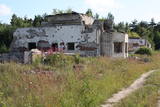 |
Über die Anwendung des Gebäudekomplexes im Grigaļciems, der teilweise erhalten geblieben ist, fehlt noch die Information. Die Gebäude sind zum Zweck der Baustoffe – Gewinnung ruiniert worden.
|
|
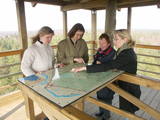 |
Ložmetējkalns Hill is one of the highest locations at the Long Dune. There is a monument to heroic Latvian riflemen who suffered great losses here during the Christmas battles of late 1916. There is a great view of forests all the way to Jūrmala, as well as of the Maztīrelis swamp, where the embankment of the former narrow-gauge railroad is very evident. This is part of a memorial park to commemorate the Christmas battles. You can visit the Mangaļi museum, the restored “German Rampart,” monuments and other objects.
|
|
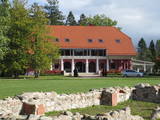 |
Etwa eine Autostunde von Riga entfernt, auf dem Gelände des alten Landguts Anna befindet sich das international renommierte Designhotel Annas Hotel. Inspiriert von alten Traditionen der lettischen Küche kreiert der Küchenchef jeden Tag ein neues Menü und lässt die Gäste immer eine besondere und ungewöhnliche Mahlzeit genießen. Lettische Küche: Brühe mit Pfifferlingen, Speisen aus Kaninchenfleisch. Das besondere Gericht: Suppe aus Heidelbeercreme mit Eis aus Quark. |
|
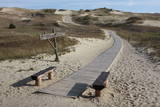 |
Die Dünen nördlich Pervalka über dem ehemaligen Dorf Negeln. Eine 9 km lange Strecke mit den wüstenartigen Landschaften. Stegpfade. |
|
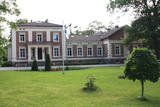 |
Atrodas Taurenē, Gaujas labajā krastā. Muižas apbūve, kurā ietilpst pils (19. gs. 80. gadi, arhitekts – R. G. Šmēlings, historisma un neoklasicisma stils), senie alus pagrabi, klēts, vecā pils un parks, veidojies 19. - 20. gs. Šobrīd muižas pilī atrodas Taurenes pagasta pārvalde un kultūras nams. Muižas kompleksā ietilpst ēka, kurā atrodas Vecpiebalgas novada tūrisma informācijas punkts un Taurenes novadpētniecības ekspozīcija (senajā ledus pagrabā). Parkā (ziemeļos no pils) uzmeklējams piemiņas akmens, kas veltīts komunistiskā terora upuriem. Pie Nēķena muižas sākās 0,4 km garā Cieres dabas taka, kas iepazīstina ar Gaujas krastu mitrājiem. |
|
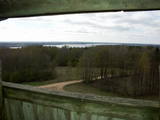 |
This is one of the highest points among the hillocks of the Selonian area of Zemgale – Borīškalns Hill. From the tower, you will see Lake Sauka, as well as the forests and farmland which surround it. The “Kalna Ļūdāni” farm is nearby, and its owner uses his livestock to help to maintain the surrounding landscape.
|
|
 |
Gegründet für den Schutz der Landschaften und der Seen der Aukštaitija-Anhöhe, Arten und Biotope. |
|
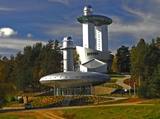 |
Das einzige Museum solcher Art im Baltikum. Das Ziel des Museums besteht darin, die Mensch(und litauisches Volk)-Kosmos-Beziehung zu zeigen. Ausbildungsprogramme, mythologische Steine. |
|
 |
The “Lamb Club” is a farm in Mazsalaca, and it is special because the sheep live in a real club! The owners offer the atmosphere of a farm at which the sheep play major roles. Enjoy mutton and sheep milk foods and beverages, feel how comfortable it is to read your favourite while sitting on a fluffy sheepskin, and, in order not to get cold by the campfire in the evening, you can purchase warm woollen socks and woven woollen cloaks. The owners hope that people from Latvia and all around the world will spend more time at the farm, because accommodations involve a new glamping tent that is as close as possible to nature and the healthy rural environment. Don’t lose a lick of the comfort that you are used to in your everyday life! The owners, Ilze and Valters, will be happy to give you a tour during which they talk about herding sheep. If you contact them in advance, they will prepare a tasty mutton meal for you. The tour can also be supplemented with various activities such as games, quizzes and creative workshops at which sheep wool is utilised. |
|
|
|
The Boulder of Subinaite can be found in Sakstagala rural municipality opposite Vaļenieku House that
is on the left side of the river Rēzekne. The base of the boulder is below the river level; it is 5,2 m long, 4,4
m wide, it rises about 1,6 m above the water level, about 2,5 m below the water level, capacity 26 m3.
Reddish surface is heavily eroded and full of moss. Protected since 1977.
|
|
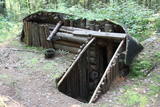 |
National partisans commanded by Rihards Pārups were very active during World War II between Vietalva and Jaunkalsnava. The team was disbanded in 1946. The dugout is at a location that is hard to find and access. It is in the nature reserve of the Veseta Wetlands Swamp. The wood pathway that leads from the East is often hidden by reeds during the summer. During the fierce winter of 2010, the roof of the dugout collapsed, but local enthusiasts plan to reconstruct it. Alongside the dugout is a white cross inscribed with the names of the partisans who lost their lives here.
|
|
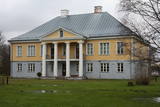 |
Muiža rakstos pirmoreiz minēta 17. gs. sākumā, taču klasicisma stilā celtās pils veidols tapis 1835. gadā. Penijē muižas būtisks likteņa pavērsiens (atšķirībā no daudzām citām muižām) bija apstāklis, ka tajā izveidoja Matsalu rezervāta (pirms nacionālā parka izveides) apmeklētāju centru. 2000. gadā muižas pili restaurēja un tajā ierīkoja nelielu ekspozīciju. Apmeklētāju centrs te pastāv joprojām, tādēļ šeit var iegūt nepieciešamo informāciju. No ārpuses var apskatīt arī citas muižas saimniecības ēkas. |
|
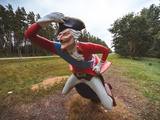 |
Im erneuerten Herrenhaus des Gutshofes Dunte ist eine Exposition errichtet, die uns mit dem Leben und den Abenteuern des legendären Fantasten und Lügenbarons Münchhausen bekannt macht. Das Erdgeschoss des Museums ist dem Baron und seinenGeschichten gewidmet, im Obergeschoss kann man eine Wachsfigurenausstellung bedeutender Personen der lettischen Geschichte sehen, außerdem gibt es hier die größte Bierkrug-Sammlung Lettlands. Im Wald sind drei Wanderpfad-Runden mit Holzskulpturen errichtet, der längste davon führt bis zum Meeresstrand. Für Kinder gibt es ein Spielschiff aus Holz. |
|
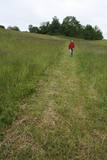 |
Viens no iespaidīgākajiem nacionālā parka pilskalniem, kura piekājē atradusies senpilsēta. Arheoloģisko izrakumu gaitā te atrastas kuršu senlietas. Tiesa, mežs un biezais augājs traucē uztvert šī nozīmīgā arheoloģijas pieminekļa patiesos apjomus un formu. Uz pilskalnu vasarās ved izpļauta taka. Ja esat Žemaišu Kalvarijas pusē un atliek brīvs brīdis, tad savā maršrutā var iekļaut arī šo apskates objektu. |
|
 |
Neliela ziepju un dažādu citu ķermeņa kopšanas produktu darbnīca. Pašu audzētos un saimniecības pļavās ievāktos ārstniecības augus iestrādā ziepēs un skrubjos, gatavo no tiem izvilkumus augu eļļās, kurus iekļauj lūpu balzamos un krēmos. Ziepes tiek vārītas tā, kā to darīja agrāk - no sārma un taukvielām. Apmeklētājiem iespēja ielūkoties “Ezervanna” mazajā darbnīcā, paklausīties stāstā par ziepju vārīšanu, iemēģināt roku un radošumu skrubju gatavošanā vai “pamīcīties” ar ziepju veidojamo masu un pagatavot savu ziepju gabalu. |
|
 3 Tagen
|
Diese Reise wird Ihnen die Vielfalt der Landwirtschaft der Region Kurzeme und deren Erzeugnisse offenbaren. Schmackhaft und interessant! Die Stadt Rīga hinter sich gelassen, führt die Strecke der Ostseebucht entlang durch Fischerdörfer, in denen es verführerisch nach geräuchertem Fisch riecht. Auf dem Weg nach Talsi halten Sie an einem Apfelgarten und Bauernhof, wo Chips aus lettischen Äpfeln hergestellt werden. Die Stadt Talsi ist nicht nur als eine Stadt auf 9 Hügeln, sondert auch als der Ort bekannt, wo der köstliche Käse «Talsu ritulis» (Talsi-Scheibe) hergestellt wird. Hier befindet sich das Landwirtschaftsmuseum Lettlands, in dem Sie alles über das Leben auf dem Lande vom 19. Jahrhundert bis heute erfahren können. Die Wahrzeichen der Stadt Kuldīga sind die Brücke aus rotem Backstein über den Fluss Venta und die charmante Altstadt. Danach verläuft die Strecke weiter der Meeresküste entlang. Dort werden Ihnen die Traditionen des Fischfanges, der Fischräucherei und des Brotbackens nahegebracht. Erfreuen wird sich Ihr Auge auch an der einzigartigen Steilküste in Jūrkalne. Auf dem Rückweg lohnt die Einkehr in ein Weingut und eine Landwirtschaft, wo Shiitake-Pilze gezüchtet werden. Auch werden Sie den Werdegang der Milch vom Melken einer Kuh bis hin zum fertigen Milchprodukt erleben. Darüber hinaus besuchen Sie einen Bauernhof, dessen Familiengeschichte bis auf die Zeiten der Herzöge und Gutshöfe zurückgeht. |
|
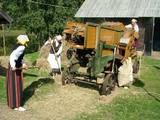 |
In den 11 Gebäuden des Museums sind Agrartechnik, Pferdegeschirre, viele Verbrennungsmotoren, Handwerkerwerkzeuge und andere Feldwerkzeuge ausgestellt, die während der Ersten Republik Lettlands benutzt wurden. Zu dem jährlich organisierten Erntefest versammeln sich bis zu 200 Besucher. |
|
 |
In der Wassermühle, die in den 1920er Jahren erneuert wurde und die ihre Tätigkeit im Jahr 1992 wieder aufgenommen hat, kann man die historischen Mechanismen besichtigen und dem Mahlprozess zuschauen, aber im Café kann man aus dem gemahlenen Mehl gebratene Pfannkuchen genießen. Lettische Küche: Hering mit Quark und gekochten Kartoffeln, Pfannkuchen mit Pilzen, Käse, Gemüse, Fleisch, Honig, Sauerrahm, Quark, Eis und Karamell. |
|


