
| Nr | Name | Beschreibung |
|---|---|---|
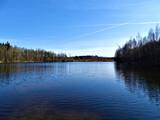 |
Neskartu mežu cienītāji var doties izpētīt Plakanciema puses mežu takas. Braucot no Plakanciema pasta nodaļas Mellupu virzienā pa autoceļu V7, pēc aptuveni 1 km jānogriežas ceļā pa labi. Tālāk jādodas uz priekšu vēl 1,2 km. Maršruta sākums - iepretī mājām “Putriņas” ceļa kreisajā pusē, kur sākas meža ceļš. Sākumā maršruts ved pa taisnu meža ceļu. Pēc 500 m nonākam pie ūdenskrātuves (karjera). Šeit ir iespēja doties vai nu gar vienu ūdenskrātuves krastu, vai gar otru. Abās pusēs var aiziet aptuveni līdz ūdenskrātuves pusei un tad griezties atpakaļ. Krastā augošos kokus iecienījuši bebri. Ūdenī peldas pīles, meža ceļa malā vairāki skudrupūžņi, no sakritušo pērno lapu apakšas lien ārā zaķskābenes. |
|
 3 Tagen
|
The Suiti are a community with among the most colourful and unique cultural traditions in Kurzeme and Latvia. This was confirmed on October 1, 2009, when the cultural territory of the Suiti was included in the UNESCO list of global intangible cultural heritage, thus indicating that the traditions must be preserved. The Suiti territory is also on the list of folk traditions that is part of the Latvian Cultural Canon. Manifestations of this intangible cultural heritage include traditional festivals, habits, oral traditions, traditional singing and musical skills, folk costumes and culinary traditions. Since 2009, the Suiti community has been undergoing a renaissance, with people actively working to restore traditions and ensure their sustainability and promotion at the local, national and international level. The survival of the cultural territory is in the hands of the Suiti themselves, and this is closely linked to the practices and the creativity of community representatives. The Suiti believe the development of tourism in their area to be of great importance in this. This means emphasising a niche in cultural tourism that is based on the broader promotion of the unique cultural heritage of the Suiti. |
|
 |
The cafe is situated in the centre of Talsi. |
|
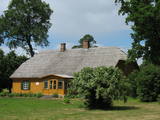 |
Befindet sich am linken Ufer des Flusses Mēmele, 1,1 km nördlich von der Ortschaft Bangas. Vilis Plūdons (1874 – 1940) war ein hervorragender lettischer Dichter, Vertreter des nationalen Romantismus und Lehrer. Vilis Lejnieks (der richtige Name) ist im Landkreis Bauska in der Familie des Besitzers des Bauernguts „Lejenieki” Jāņis Lejnieks geboren. Die von der Großmutter erzählten Märchen, Geschichten und Volkslieder hatten Einfluss auf das kleine Kind schon in der Kindheit. V. Plūdons ist auf dem sich unweit befindenden (0,3 km) Familienfriedhof – auf dem Plūdone-Friedhof bestattet worden. In Museum ist eine Exposition errichtet, die einen Lebens- und Schaffensweg des Dichters veranschaulicht. Neben dem Hasenschwitzbädchen erwarten Hasen – nach den Motiven des Gedichtes „Hasenschwitzbädchen”. |
|
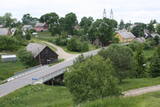 |
Pirmo reizi vēstures avotos 1253. g. šī vieta ir minēta kā kuršu apdzīvota apmetne. Laikā no 1637. – 1639. g. te uzcēla pirmās 19 kapelas – t.s. „Krusta ceļa stacijas", kas atgādināja Jeruzalemes Krusta ceļu. Kopš tā laika Žemaišu Kalvarija ir pazīstama kā nozīmīgs svētceļnieku galamērķis. Dažas no Krusta ceļa kapelām ir veidotas 17. – 18 gs., bet citas – 19. gs. Jāatceras, ka vēl pavisam nesen – Padomju laikos svētceļniekus nežēlīgi vajāja un represēja. Mūsdienās pilsētā ir izveidots 21 svētceļnieku „pieturas punkts". Te ik gadu (parasti no 2. – 12. jūlijam) notiek Žemaišu Kalvarijas katoļu draudzes svētki, kas pulcina daudz ļaužu no dažādām Eiropas valstīm. Iespaidīgā katoļu bazilika ir slavena ar Vissvētākās Jaunavas Marijas Katoļu Ģimeņu Karalienes gleznu, kas 17. gs. atvesta no Romas. Tai piedēvē brīnumdarītājas spējas. Interesants ir pilsētas ielu tīklojums, kas atgādina 9. – 13. gs. apdzīvotas vietas ielu plānojumu. Noteikti apskatāms iespaidīgais Žemaišu Kalvarijas pilskalns, kas slejas mazās Varduvas (Varduva) upītes krastā. |
|
 |
Der Stützpunkt des Livländischen Ordens. Der Bau der Burg war eine Strafe für Ortsbewohner. Die Burg wurde nach dem Befehl des Dänischen Königs Frederik der II 1576 vernichtet. |
|
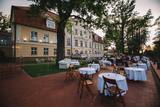 |
Das Restaurant befindet sich in dem 2008 renovierten Gebäude des Landguts Mālpils, das als Baudenkmal des Klassizismus aus dem 19. Jh. gilt. Die Speisekarte des Restaurants wird ständig geändert und mit saisonalen Gerichten ergänzt. Eine Kombination aus feinen Geschmäcken und einem eleganten Ambiente des Landguts. Lettische Küche: Käse von Mapils, Pilzsuppe, Wildbret, gebratener Zander, Roggenbrot-Dessert. Das besondere Gericht: Eis des Landgutes von Malpils. |
|
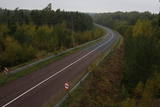 |
This is the ancient shore of the Baltic Ice Lake. We can only imagine the landscape 10,000 years ago, when the Kurzeme peninsula was covered with vegetation reminiscent of a tundra, and waves from the icy lake dashed against the ancient shoreline. We know that the lake was full of icebergs of various sizes. Today the cliff is more than 20 km long (some 9 km of it are in the Slītere National Park), and it is as much as 42 m high. It is the most impressive cliff of its type in all of Latvia. At the foot of the cliff are the Irve flatlands (the name comes from the Liv 'īrva' or 'īra', both of which refer to deer). The flatlands are the former bottom of the Baltic Ice Lake. The Blue Hills are crossed by many small streams and rivers (Pitragupe, Lorumupe, Kaļķupe, Mazupe, etc.). Their valleys are the basis for a branched and very complicated system of waterways which look particularly impressive when the trees are bare. In many places the cliffs and valleys display small areas of sandstone from the Narva suite. These are Latvia's oldest sediment cliffs that can be seen above ground. Although the Blue Hills are very impressive in scope, there are only a few places where there are important viewing areas (a viewing tower at the Dundaga-Mazirbe road, the view from the Šlītere lighthouse, the view from Mežlīdumi). The mightiness of the ancient shoreline can truly be enjoyed from the Cirste-Mazirbe road, the Cirste-Riepaldi road, Mežlīdumi and the Vīdala-Melnsils road). It is worth visiting the area in the springtime, when the slopes of the Blue Hills seem to be sinking under the fresh greenery. |
|
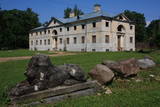 |
Muiža sāka veidoties 16. gs. beigās (īpašnieki - Tīzenhauzeni, vēlāk Bēri), bet no 1753. g. tā kļūst par Mēdemu dzimtas īpašumu. Tagad redzamo muižas pili (mūsdienās tikai atliekas) cēla 1806. - 1810. g. klasicisma stilā (Johana Georga Ādama Berlica projekts) pēc itāļu izcelsmes Pēterburgas galma arhitekta Džakomo Kvarengi meta. Muižas īpašnieks tajā laikā bija Johana Frīdriha Mēdema dēls - Kristofs Johans Frīdrihs (saukts par Žanno). Elejas pilī bija savākti daudzi nozīmīgi Eiropas mākslinieku darbi, kā arī iekārtots izcils interjers. 18 muižas kompleksa ēkas nodedzināja Pirmā pasaules kara laikā (1915. g.) un līdz mūsdienām ir saglabājušies tikai nelieli pils pirmā stāva drupu fragmenti ar kaltiem portika kolonu kapiteļiem, pārvaldnieka māja (apskatāma no ārpuses), atsevišķas saimniecības ēkas un parks. No pils drupām pa aleju var aiziet līdz Tējas namiņam (bēdīgā stāvoklī). 0,5 km ziemeļos no pils drupām atrodas 1912. g. izveidotā Mēdemu dzimtas kapsēta. Elejas pils mūra žoga arkādē iemūrēts dobumakmens. |
|
 |
Die Gastgeberin des Strandhauses Tahku organisiert Workshops zum Marinieren und Einlegen von Gurken. Dabei herrscht eine fröhliche Atmosphäre. Das Gurkenfest Tahkuranna findet jedes Jahr am 20. August statt. Man kann dort auch Gurkenkonserve, lokale Lebensmittelprodukte und Handwerkserzeugnisse kaufen sowie Handwerkserzeugnisse selbst herstellen. |
|
 |
Pļaviņās, pie Daugavas ielas, Daugavas krastā uz laukakmeņiem novietots plosta modelis ar stendu (2011. gads, biedrība „Kopsolis”), kur izlasāms stāsts ar plostnieka atmiņām un aplūkojamas vēsturiskās plostnieku fotogrāfijas. Daugavas posms starp Pļaviņām un Koknesi bija visgrūtāk pārvaramais plostnieku šķērslis ar krācēm un līdz 20 m augstiem, klinšainiem upes krastiem. |
|
 |
Bistro, Vergnügungspark, Leckerladen, Konditorei und Restaurant für einen Wochenend-Brunch am Ufer der Gauja, an der Landstraße A3. Lettische Küche: Kalte Suppe, Pilzsuppe, graue Erbsen, geschmortes Kraut, Fleischfrikadellen, Speisen aus einheimischen Fischen selbstgemachtes Eis und Kräutertees. Das besondere Gericht: Hausgemachte Torte von Rāmkalni. |
|
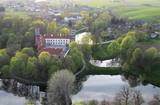 |
Gebaut in 1610, später umgebaut. Eins der hervorragenden Gebäuden Litauens der Renaissance. Eine Ausstellung der Kunstakademie Vilnius. Ein Aussichtsturm. |
|
 |
Одна из самых красивых набережных Латвии. Расположена в северной части Старого города Вентспилса. Началом набережной на улице Остас в восточной ее части служит «Тиргоню дарзс» (здесь же Вентспилсский ТИЦ) и Юракменс. Набережная украшена скульптурами коров, памятниками, фонтанами и цветочными композициями. До середины прошлого столетия на улице Остас находились склады - амбары, часть из которых сохранилась. Напротив замка Ливонского ордена установлен памятник Кришьянису Валдемару. У пристани стоит кораблик «Герцог Екаб». |
|
 |
Meklējamas Lizuma ciema dienviddaļā. Tās ir vienas no retajām vējdzirnavām (1880. g.), kas saglabājušās labā stāvoklī. Mūsdienās dzirnavas ir gleznotājas Ilonas Brektes īpašums. |
|
|
|
Pie Melekiem sākas dabas lieguma teritorija. Meleku
krastmala būtiski mainījās 2005. g. orkāna laikā.
|
|
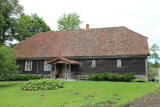 |
The manor is in Basi in the Gudenieki Parish of Kuldīga District, some 20 km from the district centre. The manor was built in the 19th century, burned down in 1905, and then restored. A former residence for servants and an old magazine barn have survived. The surrounding park covers 4.5 ha, and the estate is a cultural and historical monument of local importance. The barn was fully reconstructed in 2009 and 2010 with co-financing from the European Union, and today it is the Basi Culture Centre. In 2019, there is to be an interactive exhibition about Suiti events in Gudenieki -- baptisms, weddings, funerals, etc. |
|
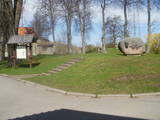 |
Hier befindet sich ein Gedenkstein für K. Valdemārs, der von den Verdiensten von K. Valdemārs für den Werdegang und die Entwicklung der Republik Lettland zeugt. An dieser Stelle befand sich einst die Seefahrtschule von Roja bzw. Lubezere und neben der Schule – ein Lehrerhaus, das bis heutzutage erhalten ist. Jetzt sind hier die Privatpraxen der Familienärzte von Roja. Die Seefahrtschule existierte vom Jahr 1873 bis zum Jahr 1915, aber während des Ersten Weltkriegs vernichtet wurde. Die Seefahrtschule bereitete die Steuermänner der Küstenschifffahrt vor. Hier konnte man kostenlos und auf Lettisch lernen. Lettische Seeleute waren in Russland und im Ausland sogar auf dem amerikanischen Kontinent bekannt. Sie wurden wegen der Sachkenntnis, Ehrsamkeit und Ergebenheit geehrt. (Die Quelle: Roja TIZ) |
|
 |
Das Café befindet sich im Zentrum von Balvi, am Rande der Brivibas Straße (Richtung Vilaka). Hier werden hausgemachte Speisen angeboten, darum ist es ein beliebter Ort für Mittagessen. |
|
 6 Tagen
|
Die Route beginnt in dem bekanntesten Kurort Lettlands – in Jurmala, der für Fußgänger geeignet ist, denen es gefällt, sich am Strand zu spazieren, wo man die einzigartigen und reizvollen ehemaligen Fischerdörfer, sowie wenig berührte und einsame Strände besuchen kann. An vielen Orten arbeiten in den Dörfern kleine ländliche Räuchereien, wo Reisende geräucherte Fische kaufen können. Das Ziel dieser Route ist das Kap von Kolka, das der bekannte Gründer der Seeschulen in Lettland Krišjānis Valdemārs als Zentrum von Europa angesehen hat. Das Kap von Kolka ist schon seit dem Zeitalter der Wikinger als einer der gefährlichsten Orte für Schiffe in der Ostsee bekannt. Das Kap von Kolka ist auch als einer der Top-Orte für Vogelbeobachtung bekannt. Route information from Latvijas Lauku forums |
|


