
| Nr | Name | Beschreibung |
|---|---|---|
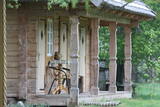 |
Ļoti skaists un ainavisks etnogrāfiskais ciems Balošas (Baluošas) ezera ziemeļu krastā, netālu no diviem iepriekš minētajiem ciemiem. Te apskatāmas interesantas un skaistas koka ēkas, kas celtas no guļbaļķiem, ar niedru vai lubiņu jumtiem un izrotātas ar dažāda veida dekoratīvajiem elementiem. Pirmo reizi rakstos Šumini minēti 1784. g. Savu vārdu ciems ieguva no kādreiz dzīvojošas ģimenes uzvārda. Kā interesantākā ir jāpiemin sena klēts. |
|
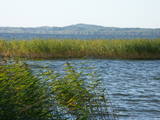 |
The eastern, southern and western shores of Lake Rāzna have roads which offer many lovely and unusual views of Latvia’s second largest lake and its surrounding landscape. Particularly lovely is the road between Foļvarkova and Vilkakrogs, which is part of the Rēzekne-Ezernieki road.
|
|
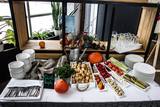 |
The restaurant offers a range of delicious and healthy meals from a range of international dishes with a wide variety of drinks, freshly baked biscuits, truffles, cakes and seeded breads are also available with lunch or dinner meals. There is a special daily offer available on weekdays and ability to organize a range of themed events, all catered for with food, drink and our freshly baked goods. A children’s menu is available for younger guests as well as playroom and a playground located next to the windmill. |
|
 |
Das Café befindet sich im Zentrum von Tukums. Lettische Küche: Gekochte Zunge, Zungensalat, hausgemachter gemischter Salat Rasols, Kabeljauleber-Salat, Suppen (Suppe mit Fleischbällchen, Bohnensuppe, Ampfersuppe), geschmorte Pilze, hausgemachte Frikadellen, dünne Pfannkuchen, knusprige Haferflocken, Erdbeersuppe. |
|
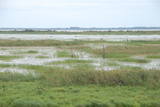 |
The Lake Lubāns, wetland of Lubāns. Lubāns (80.7 km2) is the largest lake in Latvia and the most popular
lake and wetland in Europe. The lake and the wetland has biodiversity; a unique place not only in Latvia,
but also internationally. Nature Reserve is included in the European Union network of protected areas and
NATURA 2000 under the Ramsar Convention criteria as the wetland of international importance. Lubāns wetland,
called marshy meadows, includes bogs, wet meadows and wet forests. In autumn and spring the lake
attracts thousands of migratory waterfowl which is easily to wach from the bird observation towers or the terrace
of water tourism development center.
|
|
 |
This trail offers education about the forest for children of all ages, families with children, and friends of the environment. The trail is located in the Īle Parish of the Auce Administrative District, 2 km from the Pokaiņu forest. |
|
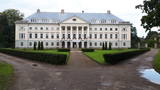 |
Die Anlage des Parks begann zu Beginn des 19. Jahrhunderts als Landschaftspark mit vielen Spazierwegen, Bänken und Brücken. Gegenwärtig ist der Park Kazdanga der Fläche nach (196 ha) einer der größten und zudem einer der aus dendrologischer Sicht reichhaltigsten Parks in Lettland. Hier wachsen über 200 Arten Gehölze, davon 127 fremdländische. Der Park zieht sich durch das gesamte Dorf Kazdanga, einschließlich des Gutshofs, bis hin zu der Stelle wo sich nördlich davon die Krypta der Familie von Manteuffel befindet. Der Bau dieser Krypta wurde mit Beginn des 1. Weltkriegs abgebrochen. Im Park gibt es mehrere Rastplätze und viele dekorative Elemente. Das Schloss Kazdanga wurde um 1800 erbaut. Der Entwurf stammte von dem in Europa bekannten Architekten Johann Georg Berlitz, wobei er auf ein Projekt von Giacomo Quarenghi zurückgriff. Das Schlossensemble besteht außerdem aus dem Ritterhaus, dem Gesindehaus, dem Wohnhaus, Marstall, der dreibögigen Brücke, die über eine Schlucht führt, und weiteren Gebäuden. 1922 wurde hier eine Landwirtschaftsschule eröffnet. Heute gibt es hier das Schlossmuseum und unweit davon das Touristeninformationszentrum. |
|
 |
Offering – a beach created in the quarry as well as the relaxation zone. 2 volleyball playgrounds, swings, trampolines, inflatable attractions. For the youngest kids – water joys in a specially constructed water „eyecup”. In a separated quarry you are offered to fish - trouts, carps, brook trouts, sheatfish. It is possible for you to cook fish, fry, make fish soup. In this case, we offer you all the necessary things for cooking. Fishing takes place all year round. |
|
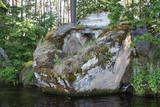 |
Die Überreste der Fortifikationen der Kämpfe des 2. Weltkrieges am gegenwärtigen Ufer von Wasserkraftwerk in Ķegums. Ein Feuernest befindet sich ungefähr 1 km südlich – südostlich von dem Damm des Wasserkraftwerks in Ķegums am linken Ufer von Fluss Daugava. Das zweite Feuernest liegt auch am linken Ufer des Flusses dem Campingplatz „Rēzijas” gegenüber. Das Feuernest ist von dem von Wellen des Wasserbassins abgespülten Ufer abgerutscht und bifindet sich teilweise im Wasser. Das letzterwähnte Objekt ist von der Seite des Wasserbassins am besten mit einem Boot zu erreichen.
|
|
 8 Tagen
|
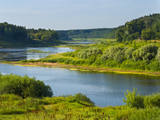
Nicht umsonst nennt man die Düna (lettisch Daugava) „Mütterchen Düna“ und „Schicksalsfluss“. Ein großer und wasserreicher Strom fließt durch unser Land und unsere Geschichte. Die Wikinger haben diesen Fluss schon seit dem 5. Jh. benutzt. Krāslava als ein alter Siedlungsplatz an der Düna war schon den furchtlosen Seefahrern gut bekannt, weil flußabwärts von Krāslava man segeln konnte. In den Sagen nennt man Krāslava Dynasaiforgarðr. |
|
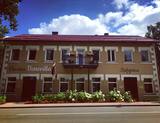 |
Small style hotel (6 rooms) - a cafe located in the historical center of Aluksne, 10 minutes walk from the Livonian castle ruins. Many of the hotel’s rooms have wonderful views, including to Alūksne Evangelical Lutheran Church, Cultural Center, art school, lake. Alūksne Castle Island or Marija Island is nearby; from there you can get to Tempļakalns park via a pedestrian bridge. Prepare your own fresh (frozen) berry ice cream, cakes and custom dishes. Seasonally offers different varieties of fruits and berries: strawberries, apples, pears. Orchard 3 km from the town with 1000 fruit trees. |
|
 5 Tagen
|
Ancient trading routes provided not just goods, but also knowledge and culture. The Light’s rout relates to the Reverent Ernst Gluck, who was a writer, the first translator of the Bible into Latvian, and a founder of Latvian children's schools, the Hernhutian movement of brothers, Kārlis Skalbe, the Kaudzīte brothers, Jānis Poruks, Antons Austriņš and their spiritual heritage. People in Vidzeme bake rye, wheat, barley, spelt and grit bread with various seeds, caraway seeds, nuts, dried fruit and hemp seeds. Hemp is used to produce traditional butter, oil and dumplings made with grey peas. It is also added to candies and even chocolate. Barley flour in the past was used only for celebrations, but today people will teach you how to use it to bake water pretzels with salt and caraway seeds. Visit farms and restored windmills to track the route of grain. Taste traditional Summer Solstice cheese, as well as Green cheese and tasty goat cheese. Pipe perch from Lake Burtnieks is a local delicacy, and you will also find trout, catfish and sturgeon, as well as crabs in season. Local meat and fowl dishes are popular, including dishes made with rabbit. Kitchens at aristocratic estates will offer wild game and pheasants with forest goodies and wild herbs. In Vidzeme you can meet the Garlic Queen, who prepares plant powders. Enjoy pies, sheet cakes, honey cakes, desserts of whipped cottage cheese, mountain ash, quince, apples, sweet cream and rye bread, as well as blackberry or apple dumplings. Slake your taste with herbal teas with honey, birch juice, berry lemonades or, if you're looking for something stronger, some tasty beer or wine. |
|
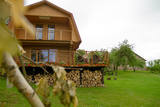 |
The guest house is located in Odziena, Vietalva Parish, Plavinas Region. The house has 5 bedrooms, guests can enjoy a sauna, a pool and a swim in the pond, as well as fishing. There is a large surrounding area for organizing activities and other classes - the guest house is suitable for both relaxation and celebrations. |
|
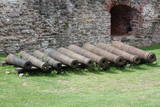 |
The Bauska Castle contains a collection of cast iron cannons which date back to the latter half of the 17th century and the beginning of the 18th century. They were manufactured in the Duchy of Courland. The cannons that are in the garden of the castle were not found there – they were found in different locations in Zemgale. Four of the largest cannons came from Jaunsvirlauka, where they were found on the banks of the Lielupe River opposite Emburga. They are the best preserved weapons of their type in Latvia. The only cannon that was found in the castle itself is currently in its South-eastern tower as a thematic exhibit. When it was being cleaned, two cannonballs were found in the weapons. The local Livonian Order castle is in ruins, but it and its defensive structures, including earthen ramparts that were installed from the mid-15th until the early 18th century, represent an important element of Latvia’s military heritage.
|
|
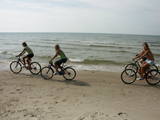 |
Das geschütze Meeresgebiet „Nida – Pērkone“ ist ein von den biologisch vielfältigsten und für den Naturschutz wichtigsten Meeresgebieten an der offenen Küste der Ostsee. Hier kann man die hervorragendsten Riffe anfinden. Während der Vogelmigration wird das Territorium vom größten Teil der in Lettland festgestellten migrierenden Vogelarten überquert. Das Gebiet ist besonders wichtig zum Schutz vom Gänsesäger und der Zwergmöwe. Es befindet sich gegenüber der Regionen Rucava und Nīca. Die Fläche beträgt 36 703 ha. Das Gebiet überdeckt sich Teilweise mit dem Meeresgebiet vom Naturpark „Pape“ und enthält das Meeresgebiet vom Naturpark „Bernāti“.
|
|
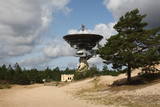 |
Früher wurde das Radioteleskop zum Zweck der Abwehr genutzt. In Irbene liegt ein Komplex von verschiedenen Militärabteilungen und Objekten, darunter auch eine verlassene Armeestadt. Heutzutage wird das Radioteleskop vom Zentrum für Radioastronomie der Wissenschaftlichen Akademie der Republik Lettland bewirtschaftet und es wird als Objekt für wischenschaftliche Erforschungen genutzt. Das Objekt kann man in Begleitung eines Reiseführers besuchen.
|
|
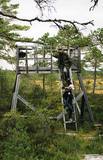 |
Das Territorium wurde eingerichtet, um den Sumpf, einen sumpfigen Wald und eine Reihe seltener Vögel zu schützen. Der Sumpf Niedrāji-Pilka kann mit trockenen Füßen durchquert werden, während man die fast unberührte Natur genießt. Das ist vom Damm der Schmalspurbahn, die für drei oder vier Kilometer vom Nordosten zum Südwesten des Sumpfes führt, möglich oder zu Fuß auf dem gut markierten Rundweg auf dem östlichen Teil des Damms.
|
|
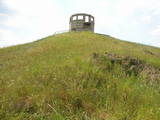 |
In gewisser Hinsicht einzigartiges mehr als 24 400 Hektar großes Territorium nutzte die sowjetische Armee als Militärversuchsfeld des Kriegsluftfahrtes mit den Übungszielen. Die Geschichte des Militärversuchsfeldes beginnt mit dem Jahr 1951. Damit das Territorium für solches Ziel geiegnet würde, wurden vier hier Kolchosen aufgelöst, viele Wege gesperrt, mehrere Hunderte Bauernhöfe und Einzelhöfe soltten umsiedeln. Die Bewegung der Zivilpersonen wurde nur im Jahr 1993 teilweise erneuert, nachdem mehrere neue Wege aufgebaut worden sind. Wenn man eine allumfassende Ansicht auf die Waldkomplexe des ehemaligen Militärversuchsfeldes sehen will, sollte man auf das künstlich gebildeten Hügel sogennaten „Hünengrab der Offiziere” hinaufsteigen. Von diesem Hügel koordinierten die Kommandeure die Truppenübungen der Armee. Es empfiehlt sich nicht auf die „unwegsame Wanderungen“ zu gehen!
|
|
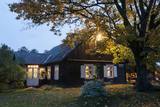 |
Stūrīši is a homestead owned by the Taisel family, offering a collection and a chance to taste Liv foods: fish soup, porridge, sprat sandwiches, pastries, etc. |
|
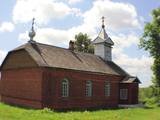 |
Bоrisovas St. Nikolay Old-Believers Prayer House was built in the period of 1911 – 1921 . The different feature of the Prayer House is a brick building placed on the hill. The bell of the temple was specially
ordered and brought from St. Petersburg. The bell has a very soft sound.
|
|


