
| No | Name | Description |
|---|---|---|
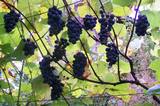 |
The visitors are offered the excursion around the wine garden and the story about different sorts of grapes and the secrets of wine-making. During the excursion the vistiors can learn about the traditions of growing grapes in Latvia, to see and taste the newest tendencies of grape selectioning,as well as receive advice on growing and tending grapes. It is also possible to try home-made wines and buy grapes saplings. |
|
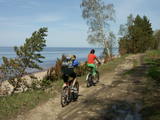 |
The largest NATURA 2000 territory in Latvia covers 6% of the country’s area. It is located in parts of the Limbaži, Valmiera and Valka districts, and it is a place of an enormously diverse range of landscapes, biotopes and species. The Salaca River is one of the most important rivers in the entire Baltic Sea region in terms of spawning grounds for salmon. The river valley and its sandstone cliffs attract many visitors. It is no accident that this is the second most popular river in Vidzeme for water tourism. The shore of the Bay of Rīga, which is not very long, also features a great diversity in landscapes and biotopes. At the northern end, we find the Randu meadows. In the central part there are sandy beaches, but at the southern end – 22 kilometres of rocky shoreline. The so-called Northern swamps are found on the border with Estonia, while the Seda heath is one of the most important places in the region for birds to rest and feed during migration. The reserve also features a diverse forest in which one can find all of the types of forest which are common in Latvia. Nature trails and viewing towers or platforms are found in the Randu meadows, on the banks of Lake Burtnieks, along the Planči and Niedrāji-Pilka swamps, on the banks of Lake Dziļezers and Lake Lielezers, and elsewhere. The Skaņākalns park in Mazsalaca is one of the most popular tourist destinations in Northern Vidzeme. The territory boasts many important cultural monuments, including one of the earliest known settlements in Latvia – a fishing settlement and burial ground which date back to the 5th to the 2nd millennium BC.
|
|
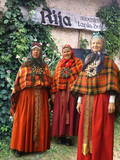 |
Located in the threshing barn of an old estate in Alsunga. There is a souvenir shop where you can purchase practical items such as shawls, gloves, stockings, dishes, herbal teas, etc. Creative workshops are available here for children, and if you contact the venue in advance, you can meet with Suiti women to learn about traditions and to sing and play games. The centre has been awarded the "Latvian heritage" cultural sign. |
|
 |
Iespēja iepazīties ar mājas vīna gatavošanas procesu, un kopā ar Krimuldas muižas vīndari izzināt mājas vīna gatavošanas noslēpumus un degustēt vīnu, kas pagatavots no dažādām ogām. Vīna īstā garša vislabāk atklājas, klausoties stāstus par muižas dzīvi! |
|
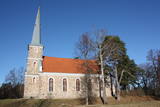 |
A wooden church was built here in 1766, and the new brick church was built on the foundations of the old church and consecrated in 1868. The tall steeple of the church helped ship captains orient themselves during the daytime. An altar painting by Gunta Liepiņa-Grīva, "Christ and Peter on the Sea," was consecrated in 1993 to replace the former painting, which was lost. The blue-white-green Livonian flag was consecrated at the Mazirbe manse (now a recollection centre) on November 18, 1923. Near the manse are several rocks which stand witness to the Black Plague in 1710 and 1711. The text in Latin said that Livonians on the coastline were conquered by Swedish King Karl IX and the bubonic plague. The texts on the rocks have eroded away, but records of them were made. The Mazirbe cemetery has a monument to Old Taisel, a monument to the parents of captain A. Bertholds, and the legendary grave of a werewolf. |
|
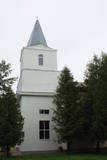 |
Die erste Kirche war hier schon am Anfang des 18. Jhs. Danach wurde die zweite und die dritte – die heutige – Kirche (1847 – 1848) gebaut. Das Gotteshaus hat sowohl im Ersten Weltkrieg, als auch während der Sowjetzeit gelitten, als sich hier von 1969 bis 1993 eine Werkabteilung für Watteherstellung befand. Heute bekommt das Gebäude langsam seine Gestalt zurück. In den 1990er Jahren war es in sehr schlechtem Zustand. Es ist noch zu erwähnen, dass von 1826 bis 1856 in diesem Gotteshaus als Küster und Orgelspieler der lettische Dichter und Übersetzer Ansis Līventāls (1803 – 1878) gearbeitet hat. Neben der Kirche befindet sich seine Grabstätte mit einem Denkmal, sowie der Friedhof der im Ersten Weltkrieg gefallenen russischen und deutschen Soldaten und das Grabdenkmal des Pfarrers und Schriftstellers Jacob Florentin Lundberg (1782 – 1857). |
|
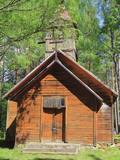 |
Krupenišku Old-Believer Prayer House was built in 1908. The autor of the
design is engineer I. Ivanov. At present the church is in bad tehnical condition.
|
|
 |
Ģimenes uzņēmums Svētes pagastā, netālu no Jelgavas. Kopš 2019.gada šeit top dažādi Latvijas priežu produkti, kas vērtīgi kā imunitātei, tā arī veselībai. Mītavas Čiekurs produktu galvenā sastāvdaļa ir Parastā priede (Pinus sylvestris). Tā bagāta ar ēterisko eļļu, sveķiem, miecvielām, C vitamīnu u.c. vērtīgām vielām. Tiek gatavotas priežu čiekuru karameles, čiekuru sīrupa zefīri, želejkončas, priežu čiekuru zapte, karamelizēti čiekuri sīrupā, šokolādē, kā arī priežu pumpuru sīrups un tēja. Ekskursija norisinās 90-120 minūtes, kuru laikā atraktīvais saimnieks Reinis pastāstīs par uzņēmuma vēsturi, dalīsies receptēs, pagatavos katram apmeklētājam gardu dāvanu (čiekuru marmelādi), kā arī protams- varēs degustēst dažādos priežu produktus. Papildu pirms vai pēc ekskursijas iespējams ieturēties ar uz ugunskura gatavotu pupiņu zupu ar lauku kūpinājumiem, soļanku vai biešu zupu. Tūristus uzņem nupat uzbūvētajā ekskursiju telpā- Čiekurnīcā. Uzņemt var līdz pat 60 interesentiem reizē. |
|
 |
The landlady of this farm will tell you about healthy herbal teas and home-based goodies. If you wish to spend the night under the stars, we offer a place for tents and a campfire on the banks of local river by the old Lūkas windmill. “Aploki” will welcome anyone who wants to relax in a peaceful and quiet atmosphere. |
|
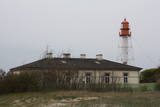 |
In der Zeit der Sowjetunion waren alle Leuchttürme Militärobjekete auch der Leuchtturm von Pape. Heutzutage wird der Leuchtturm von dem Meeresadministration Lettlands beaufsichtigt und für die Interessenten ist er nur von Außen zugänglich.
|
|
 |
Der Park befindet sich im zentralen Teil des Gutes, im Zufahrtsbereich zum Herrenhaus. Der Park wurde unter Ausnutzung des Tales der Virvytė und des umgebenden Reliefs angelegt. Die Teiche des Parks sind aus Altarmen des Flusses angelegt. Im zentralen Teil dominiert eine regelmäßige Struktur, während der Rest den Charakter eines Landschaftsparks hat. Im Parterre vor dem Herrenhaus befindet sich eine Skulptur im antiken Stil, und am westlichen Ende ein hölzerner Söller. Im Park dominieren einheimische Baumarten. An auswärtigen Gewächsen findet man Europäische Lärche, Feldahorn, Thuja. Auffällig ist eine Gruppe von Eichen am Flussufer und eine Winterlindenallee, die in Richtung des Herrenhauses bis zu Teich führt. |
|
 |
You can visit a restored little wooden building to watch and take part in the process of weaving. Natural materials are used to produce lovely souvenirs and useful household products. There are nine looms, and you will hear information about weaving as such. The workshop produces woven scarves which are coloured with natural dyes. |
|
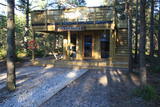 |
Summer cafe "Divjurinas" is located at Kolkasrags, open from May to October. |
|
 |
Aktīvā atpūta svaigā gaisā, dabā. Dabas taka, atpūtas vieta, grilla vietas, lapenes. Lāzera cīņas jeb Laser tag ir spēle svaigā gaisā, ģimenes vai draugu kompānijā. Iegūsiet pozitīvas emocijas un kārtīgu adrenalīna devu, spēlējot augsti tehnoloģisko spēli reālā laikā un vietā. Lāzera cīņas ir visiem labi zināmā peintbola analogs, bet atšķirīgs ar to, ka Laser taga spēlē spēlētājus-pretiniekus “neitralizē” ar drošiem un nekaitīgiem lāzera šāvieniem no lāzera-ieroča, bet pati spēlētāja “neitralizācija” notiek, kad speciāli devēji (sensori), kuri ir nostiprināti uz spēlētāja apsaites, reģistrē pretinieka lāzera-ieroča staru, kas nozīmē, ka nav ne krāsu bumbiņu, ne sāpīgi sitieni, ne zilumi. Šī koncepcija padara Laser tagu pieejamu ne tikai vīriešiem, bet arī sievietēm un bērniem. |
|
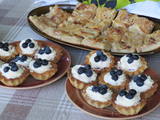 |
Der Hof „Jumari“ befindet sich unweit von Valpene, wo einst Krišjānis Barons seine Reise aus Terbata beendete. Der Hof besteht, umgeben von dichtem Wald, seit 1826. Das jetzige Wohnhaus wurde 1904 erbaut. Hier werden Obst und Beeren angebaut (darunter auch Kulturheidelbeeren) sowie Gemüse. Die Besucher können den Hof besichtigen, sich mit den Methoden des ökologischen Landbaus bekannt machen, Kräutertees verkosten sowie andere ländliche Leckereien probieren, den großen Garten in Augenschein nehmen, wo Obstbäume, Beerensträucher und Gemüse gedeihen. Die Wirtin des Hauses fertigt Kräuterkissen an und webt Lesezeichen. „Jumari“ ist als Sehenswürdigkeit auch in Radwege des Bezirks Dundaga einbezogen worden. |
|
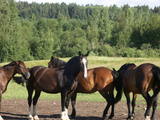 |
Auf dem Hof Untumi werden eine Pferdeherde gehalten und gezüchtet, sowie Pferde gekauft, die den Anforderungen der historisch gezüchteten lettischen Pferderasse entsprechen. Hier kann man in einem Pferch oder in der Umgebung des Hofes unter der Leitung eines Instrukteurs Reitfertigkeiten erlernen. Im Sommer kann man hier mit einem Pferdewagen, aber im Winter – mit einem Pferdeschlitten fahren. Die Pferde werden zu Hochzeiten und anderen Veranstaltungen verwendet. |
|
 |
Der Garten, der sich am Ufer des Flüsschens Berze befindet, wird auch Märchen aus Stein oder Wundergarten genannt. Der Garten ist mit Steinen verschiedener Form und Größe, mit Mühlsteinen, einstigen Grenzsteinen von Besitzungen und Verwaltungseinheiten geschmückt. Die Ausstellung von Steinen wird von Kompositionen aus Zierpflanzen, die dank der Pflege der Hausherrin prächtig gedeihen, ergänzt. |
|
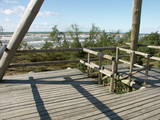 |
Die größte graue Düne Lettlands, die ein Schutzbiotop von europäischer Bedeutung ist. Eine Aussichtsplattform. |
|
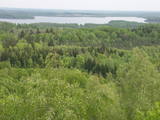 |
Dieses Territorium soll die Hügel und Seen des Hochlandes von Augšzeme schützen – die Seen Svente, Medums, Ilga und andere mit ihren Inseln, Landschaften und Arten. Der Naturpark, der um die Seen Svente und Medums herum eingerichtet wurde, ist Teil dieses Territoriums und es gibt mehrere Gebiete, die aus Umweltgründen geschützt werden – die Seen Bardinskis und Skujine und die Inseln der Seen Medums und Svente. Es gibt einen Aussichtsturm auf dem Egļukalns - Berg und Abfahrtsski-Routen.
|
|
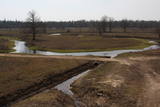 |
Divarpus kilometrus gara taka (vienā virzienā) aizved līdz Hallistes palieņu pļavām, kur Hallistes upes labajā krastā ir uzcelts divstāvīgs koka skatu tornis. No tā paveras visaptverošs skats uz atjaunotajām (izcirsti krūmi) Hallistes palieņu pļavām. Pavasara palu laikā no torņa redzamā apkārtne un tornis atrodas ūdenī. |
|


