
| No | Name | Description |
|---|---|---|
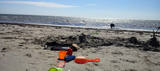 |
Holiday house Surfhunt is located only 100 m from the sandy beach of the Gulf of Riga, 70 km from Pärnu. The holiday house is suitable for families and groups of friends who want to go out in nature or participate in active recreation, for example, surfing. This place is special because guests can take their own baskets and go to the field to gather produce, from which they can prepare their own meals. |
|
 |
The Jūrkalne Air Defence Division facility is privately owned at this time. A motor racing track has been installed there.
|
|
 |
Hauptstadt von Hiiumaa. |
|
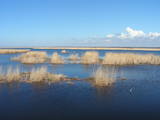 |
This is a shallow lagoon-type lake which, along with the area around it, is a wetland of international importance. The presence of 271 species of birds has been found in the area, including 43 birds which are listed in the Latvian Red Book and 15 that are listed in the European Red Book. The nature park includes the Nida swamp and the part of the sea which is alongside the park - newly estabilshed sea protected area "Nida - Pērkone". Between Lake Pape and the Baltic Sea we find Latvia’s oldest bird ringing station, where rings are attached not only to birds, but also to bats. Lake Pape is the first territory in Latvia where livestock adapted to life in the wild have been released for the proper management of the lake’s flood-land meadows. First there were wild horses (“Konik” horses), then aurochs and the European bison. Visitors can use bird and nature observation towers, nature trails, etc. The Ķoņi village is a unique example of a seaside fishing village. Pape is popular among bird-watchers, and the park’s visitors centre is found in the “Nature House” of the Worldwide Fund for Nature. |
|
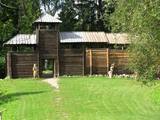 |
Kassinurme hills were formed during the last Ice Age, and an ancient stronghold and a sacred grove can be found in the hills. At the foot of the stronghold a stage has been built; a swing, tepees, a campfire place and a model of the stronghold are located in the forecourt. Nature, health and antiquities trails are located nearby. |
|
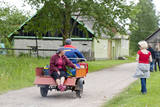 |
The island of 7.5 km2 in Lake Peipsi is largely inhabited by Russian-speaking Old Believers who have broadly retained their old traditions through time. Traditional trades are fishing and growing vegetables, mainly onion. |
|
 |
Klusā lauku teritorijā un priežu jaunaudzes ielokā atrodas ģimenes uzņēmums ar videi draudzīgu saimniekošanas filozofiju - "LavenderVilla". Teritorijā ir izveidots lavandas lauks un lavandas labirints ar ~ 6000 lavandas stādiem. Saimniecības apmeklētājiem tiek piedāvāts iepazīties ar lavandas audzēšanu, ko izmanto dizaina priekšmetu, ēteriskās eļļas un tējas ražošanai. Papildus tiek piedāvāti naktsmītnes pakalpojumi lavandas un zāļu atpūtas namiņā, pasākumu organizēšana (joga līdzās lavandām, tematiskie pasākumi, kāzu ceremoniju vieta u.c.), pirtnieka pakalpojumi, fotografēšanās iespējas lavandas laukā un lavandas pārtikas produktu degustācijas. |
|
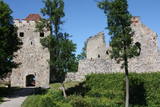 |
Exploring of Sigulda can be started with a visit to Sigulda castle ruins. The construction of the castle was begun by the Knights of the Sword Order in 1207, but in 1236 it was rebuilt for the needs of the Livonian Order. Sigulda castle suffered much from the wars in the second half of the 16th century and in the beginning of 17th century. During the Northern War, it is burned down and is no more restored. Today south-western building of the convent and the tower of the main gate, behind which is the inner forefront of the castle with open air stage, which offers impressive views over the Gauja valley. Currently the reconstruction of castle ruins is in progress. Construction of New castle (owner - Prince Kropotkin) in the South of the Sigulda took place from the 1878 until 1881. From 1923 - 1940 the building was the Palace of Writers, but during the Soviet years - Cardiology sanatorium. Since 2003 Sigulda district council is located there. The manor complex includes wooden house (middle of 19th century), which was Kropotkin's family home, barn (turn of the 18th - 19th century), gardener's house (19th century) and a stone fencing (19th century.) If we make our way from New Castle in a north-eastern direction, after almost 2 km we will reach Vejupite ravine. There you can see the shallow (3.6 m) but high (6.1 m) in Peter's Cave and deep Pucu ravine with Krauklupite. At the conjunction of ravines of both streams rises a Satezele hill fort (plateau 90 x 75 m), where in the beginning of 13th century was the oak castle of Liv land chief (eldest) - Dabrelis. Near can be found Krauklu gorge - ravine of Vejupite left bank, with 11 m high sandstone walls and 5.2 m deep Krauklu cave. At the conjunction of Vejupite ravine and Gauja valley columns Paradise (Gleznotaju) Hill - a very picturesque place, painted and photographed since old times! The Paradise Hill can be reached with a electric vehicle. In the west part of Sigulda is located Ferris wheel (works during the summer) and Air cableway (streetcar) - the only this type of vehicle in Baltics (built in the 1969). Its self-supporting cable extends in 1060 m length and without any support joins the Gauja River valley banks between Sigulda and Krimulda ~ 40 m above Gauja River. Here you can enjoy excellent views! In the south-western part of Sigulda one can walk to mighty Beites precipice, which is split by the deep ravine of stream. On the west side of the ravine lies Keizarskats, which is located ~ 67 m above the Gauja level and offers good views of Krimulda and Turaida castle. Sight place was arranged here already in the 1862 when Russian Tsar Alexander II visited Sigulda. In the eastern part of the ravine wooden Keizarkrēsls (Emperor Stool) is located. |
|
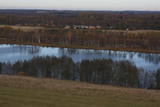 |
This is the most visually impressive drumlin field in the Baltic States, and it is close to the village of Tabivere. The drumlins were established by ice glaciers, and they point in the direction in which the ice moved long ago. In terms of their appearance, the drumlins resemble loaf-shaped hillocks. From their “backs,” there are lovely views of the local landscape and the lakes that are around the area. The visitor centre is in the village of Äksi.
|
|
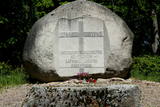 |
Along the A9 road and 500 metres from the turn in the direction of Rīga in Lestene is a memorial by Ojārs Feldbergs which was set up in 1991 in the former Rumbas homestead to commemorate defenders of the Kurzeme fortress. Despite the fact that the Soviet forces were ten times larger, the Latvian troops allowed some 300,000 Latvian war refugees to escape the horrors of the Soviet Union. |
|
 |
Interesantā būve, kurai Baltijas valstīs grūti atrast līdzinieku, ir meklējama 2 km ziemeļaustrumos no Kirblas (Kirbla). 307,8 m garo arkveida tiltu pāri Kazari upei (Kasari jõgi) uzcēla 1904. g. deviņu mēnešu laikā. Tajā brīdī to uzskatīja par Eiropas garāko šāda tipa dzelzsbetona tiltu. Tagad to var šķērsot tikai ar kājām vai ar divriteni. Tumšajā diennakts laikā tilts ir skaisti izgaismots! Tā ievērojamais garums ir skaidrojams ar apstākli, ka pavasara palos Kazari palienes applūst lielās platībā. |
|
|
|
10 km garais pārgājienu maršruts iepazīstina ar vienu no vēl retajiem, cilvēka mazāk ietekmētajiem Daugavas senlejas posmiem. Tā sākums – Aizkraukle, finišs – Skrīveri. Gar upes krastu izvietotas atpūtas vietas. Maršrutu var braukt arī ar velosipēdu. |
|
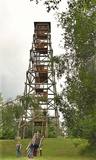 |
Lielais Liepu kalns ir Latgales augstienes Rāznavas pauguraines augstākā un Latvijā trešā augstākā virsotne (289,3 m v.j.l.). Lielpaugura relatīvais augstums ir 86 m! Skatu torņa platforma ir šobrīd augstākais Latvijas punkts (323 m.v.j.l.), kas sasniedzams ar paša kājām! Liepu kalna apkārtne ir labiekārtota. |
|
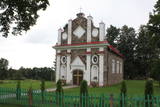 |
Meklējama Gosporos, starp Rīgas – Daugavpils šoseju (A 6) un Daugavu. Apjomā nelielais dievnams būvēts 1820. gadā romāņu stilā no laukakmeņiem senas kapsētas vietā. Tuvāk Daugavai ir izveidota aka, no kuras iztek Svētavots, kam piedēvē dziednieciskas īpašības. Pie baznīcas novietots dobumakmens. |
|
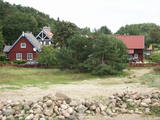 |
Ein ehemaliges Fischerdorf am Ufer des Kurischen Haffs. Hierher sind die Bewohner der Dörfern umgezogen, deren Dörfe unter dem Sand der Wanderdünen begraben wurden. Holzbebauung des 19 – 20 Jh. |
|
 |
This is an unusual farm, one with no electricity (its owners use candle lanterns and petroleum lamps), with all work done by hand. Visitors can watch the milking of goats, the subsequent handling of milk, and the production of cheese. They can help to harness horses, try out sleds on wheels, and work with a scythe and a sickle. Livestock raised in the Latvian countryside can be viewed. |
|
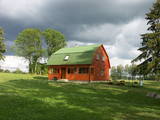 |
A summer house by lake Sila, in a separate building sauna and rest room with fireplace. Bathhouse - living room with open-fire, sauna, shower, double bedroom. Summer house – one room with twin beds, dry toilet. |
|
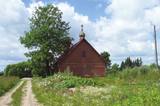 |
Rimši Old-Believers Prayer House. The church was built in the
beginning of the 20th century.
|
|
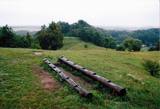 |
In the central part of the Žemaitija Highland, this park was established to protect local landscapes. Lithuania’s highest hillocks are found here – Mėdvegalis (235 m above sea level) and Šatrija (229 m). There are also other hillocks which offer a great view of the area – make up your own tour here.
|
|
 |
Visitors to the brewery can learn how beer is brewed and taste the beers and mead drinks that are produced there. |
|


