
| Нo | Название | Описание |
|---|---|---|
 |
Находится на обочине шоссе Лиепая - Вентспилс (P111) около восстановленного деревянного моста через Риву. Интерьер связан с морской тематикой. Осенью через большие окна можно наблюдать за прыгающим лососем за заграждением мельницы. Латышская кухня: Холодный суп, картофель в мундире, жареное филе камбалы и трески, жареная сельдь в облепиховом маринаде, свиное филе с боровиками, купаты с маринованным луком, серый горох с салом, картофельное пюре, слойка из черного хлеба, овсяные хлопья с взбитыми сливкам. |
|
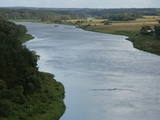 |
This lovely part of the Nemuna River between Alytus and Pakuonis meanders through cliffs that are up to 40 m high.
|
|
 |
Одно из редких предложений в Латгалии, где во время туристической экскурсии гид поет на латгальском языке. Интересный, аттрактивный и познавательный рассказ об исторических событиях, связанных с Прейльской господской усадьбой и городской средой. |
|
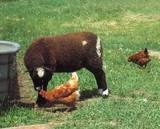 |
Сельский двор предлагает посмотреть домашних животных, домашних птиц и экзотического мару, покататься на пони. Консультации по садоводству и выращиванию мелких животных. Можно приобрести перепелиные яйца, копчености, цыплят и молодую птицу. |
|
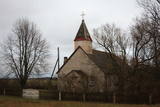 |
Nelielā izmēra ēka (balts ķieģeļu mūris, ar dēļiem apšūts zems tornis) atrodas Liepājas – Klaipēdas šosejas (A 11) malā. 20. gadsimta sākumā tā kalpojusi kā lūgšanu nams, taču tā paša gadsimta vidū pārbūvēta, uzceļot torni. |
|
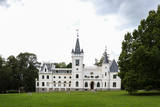 |
Построен в первой половине 19 века, в стиле неоготики Тюдоров. Первым владельцем замка стал барон Иоанн Готлиб фон Вольф. В 70 – 80 годах того же века его перестроили в стиле французского неоренессанса. Во время революции 1905-го годa замок сожгли, однако восстановили, введя в его облик формы модерна. Замок можно осмотреть изнутри, предлагаются экскурсии. |
|
 1 день
|
The Baltic Coastal Hiking Route leads around the Pakri Peninsula, from whose rocky shores you will discover the most beautiful coastal landscapes in northwest Estonia. It goes through the centre of Paldiski and, after having reached the fortress bastions of Peter I, it turns towards the Pakri Lighthouse going across the upper part of the impressive Pakri Cliffs. Further on up to Kersalu, there are both ups in the shape of rocks and downs where the Baltic Coastal Hiking Route meanders along a sandy and rocky seacoast and a beautiful pine forest. |
|
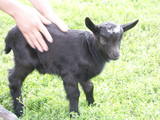 |
В хозяйстве разводят коз и выращивают овощи. Предлагают экскурсию, участие в доении коз, дегустацию и приобретение даров села – сыра, хлеба и пирожков. Предлагается поучаствовать в приготовлении сыра. |
|
 |
Впервые в Латвии (в 1996 г.) на склоне берега реки Абула хозяин занялся выращиванием кустовой черники. Теперь здесь зеленеют просторные поля кустовой черники. Торговля ягодами и саженцами, экскурсия с дегустацией и консультации, проектирование садов и планирование работ по озеленению. |
|
 |
Taka izveidota Limbažu Lielezera ZA galā, tā ir 3.6 km gara vienā virzienā. Ezeru ziemeļu galā izbūvēts putnu novērošanas tornis. Izbūvēts bērnu rotaļu laukums, labiekārtotas atpūtas vietas, izveidota laivu piestātne. Pāri Donaviņai izveidots gājēju tiltiņš uz pontoniem. |
|
 7 дней
|
Из Рижского аэропорта тур ведет прямо за город, в усадьбу Яунмоку, окруженную красивым парком. А на следующий день начинается наблюдение за птицами в Национальном парке Кемери, включая заболоченные территории и территории вокруг озера Каниерис и деревни Кемери. Затем маршрут следует вдоль западного побережья Рижского Залива, делая на пути небольшие остановки и включая более длительные прогулки в Мерсрагсе. Затем вы проведете некоторое время на мысе Колка и в его окрестностях, которые считаются основным местом миграции. Посетите широколиственные леса Национального парка Слитере вокруг древнего побережья Балтийского Ледового моря и проедьте сквозь пойменные Ужавские луга, затем сделайте остановку в самой западной точке страны, Акменьрагсе. Маршрут продолжается в Лиепае и Орнитологической станции Папе и озере, где есть возможность провести ночь, наблюдая за миграцией сов, если она уже началась. Затем мы проедем через лесную территорию Зварте и остановимся несколько раз на рыбных прудах на пути обратно в Ригу. |
|
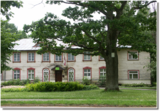 |
Oхраняемый вековой дуб местного
значения на краю улицы Тукума напротив Юрмальского
учреждения дошкольного развития "Пиенените".
|
|
 |
Lielā dziesmu vieta "Dzintari" ir ievērojama ar to, ka tieši tur 1866. gadā norisinājās pirmie latviešu skolēnu koru svētki. Lai iezīmētu šo vietu, 2015. gada vasarā Madonas novada, Praulienas pagasta, Šūpuļkalnā (Madona – Varakļāni ceļa malā) tika uzstādīts Ivara Mailīša veidotais vides objekts “Latvija skan”. Šajā vietā atrodas arī māja, kurā dzīvojis ievērojamais koru virsdiriģents Haralds Mednis (1906-2000). Lai saglabātu mākslinieka piemiņu, 2016. gadā durvis vēra Haralda Medņa 20. gs. 30. gados uzceltā māja “Dzintari”. Tajā apskatāma izstādes par virsdiriģentu Haraldu Medni un Pirmajiem latviešu skolēnu koru svētkiem. Vietai dots skanīgs nosaukums – Lielā dziesmu vieta “Dzintari”. |
|
|
|
Находится в центре поселка Цибла. Центральной доминантой Эверсмуйжи является господский дом, построенный в 1680-м году в стиле классицизма (перестроен в более поздние времена), дом для слуг, превратное здание и хозяйственные постройки, находящиеся в плохом состоянии. Парк имения окружен каменным забором. Начиная с 17-го века имение почти два столетия принадлежало роду польских баронов Карницких. Позже в имении сменяются хозяева. В наши дни в господском доме расположен Циблский интернат, размещен Циблский краеведческий музей, где предлагают экскурсии. По берегам речки Илжа пролегает Эвермуйжская культурно-историческая тропа. |
|
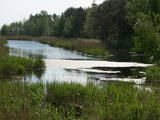 |
Taka izveidota 2005. gadā. Tā atrodas uz Lapmežciema un Bigauņciema robežas un izskatās kā koka dēlīšu laipa gar Siliņupi. Taka aizved līdz jūrai, kur apskatāms vecais Lapmežciema mols. Siliņupē novērojami ūdensputni. |
|
 |
Находится в помещении Hotel Jelgava. Предлагаются традиционные латышские блюда, а также блюда на другой вкус. Организуются музыкальные вечера. Латышская кухня: Стейк из выращенного в Латвии страуса. Особое блюдо: Кукурузный цыпленок со шпинатно – картофельным муссом и гриллированная на вертеле морковь. |
|
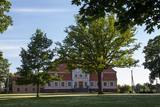 |
Усадьба Кельме представляет собой одну из немногих сохранившихся в Литве провинциальных усадеб в типичном для страны стиле барокко. Это большой усадебный ансамбль с законченной композицией, отличающийся обилием аутентичных построек, зеленых насаждений и водоемов. В усадьбе разбит геометрический парк, в котором до сих пор прослеживаются явные черты барокко. Парк делится на правильные части аллеями, пересекающимися под прямыми углами. В парке есть небольшой холм с обзорной площадкой. Большинство из растущих здесь крупных деревьев местных пород (дубы, клены, липы, ясени) представляют собой наследие старого парка. Украшением этого места являются большой пруд за дворцом, три более мелких пруда и холм с обзорной площадкой в старой части парка. |
|
 |
Stādaudzētava piedāvā rožu, skujeņu, dižstādu, ūdensaugu, lapu krūmu un dzīvžogu materiāla iegādi un konsultācijas.
|
|
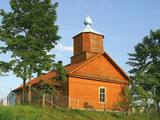 |
Моленная Липушкской старообрядческой общины постро-
ена в 1893 году. Старообрядческий приход в Липушки в то время
являлся крупнейшим в странах Балтии.
|
|
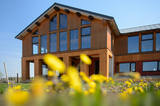 |
Дом отдыха Ugaraja Kotkapesa ‒ это уютное место, где хозяева предлагают гостям домашнюю еду, приготовленную по их выбору из выращенных в близлежащих хозяйствах продуктов. В доме отдыха есть большой зал и сауна, а окрестности подходят для интересных походов. |
|


