
| Нo | Название | Описание |
|---|---|---|
 |
Atrodas blakus Kalnamuižas baznīcai. Dienvidos no tās redzama grāfa Pālena kapliča, uz kuras salasāms vecs uzraksts krievu drukā “Savu mieru dodu jums”. Šajos kapos atdusas daudzi ievērojami cilvēki – mikrobiologs Kristaps Helmanis, A. Brigaderes tēvs, Tērvetes ainavu parka veidotājs Miķelis Kļaviņš u.c. |
|
 |
Ičas apmetnes ciems ir sena dzīvesvieta Ičas upes krastos. Apmetne atklāta 1937. gadā. Tā bijusi apdzīvota neolītā (4500 - 1500 pr.Kr.) un bronzas laikmetā (1500 - 500 pr.Kr.). Apmetnē dzīvojuši amatnieki, zvejnieki, mednieki.
|
|
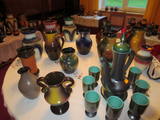 |
Рассказывает и демонстрирует то, как из глины получаются разные изделия, а также побуждает посетителей самих взяться за дело. Здесь можно купить созданные работы, а также заказать новые. |
|
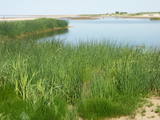 |
This area is full of coastline meadows, lagoons, muddy little lakes and sandy shallows, all full of reeds. This area of the eastern shore of the Bay of Rīga is found between Ainaži and Kuiviži. The Randa meadows are an enormously important location for water birds and rare plants – some 500 in all. A new bird-watching tower and a nature trail have been established for those who wish to study the meadows.
|
|
 6 дней
|
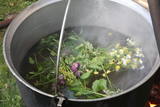
Латыши живут в тесной связи с природой и ее годичными циклами. Старинные знания о том, как использовть дары природы, до сих пор живы. Сбор диких грибов и ягод очень популярен,так же, как и сбор трав и цветов для чаев и настоек. Этот маршрут пытается показать вам различные пути использования природных ресурсов. Маршрут ведет в Национальный парк Кемери, богатый флорой, и интересный своими серными источниками, чья вода используется для улучшения проблем, связанных со здоровьем. Затем вы сможете посетить ферму, которая специализируется на травах и чаях, и чья владелица с готовностью поделится своими знаниями о растениях и как они могут быть использованы. А далее вас ждет осмотр достопримечательностей в живописной Кулдиге и уха на костре на побережье в Павилосте. На следующий день по плану – небольшая поездка по реке в традиционной рыбацкой лодке и поездка, где научитесь готовить блюда, используя природные дары. Экскурсия по Лиепае с ее пляжем из белого песка и исключительным военным наследием. Ночь в Природном заповеднике Папе. Возможность половить рыбу в озере и узнать о традиционных методах копчения рыбы. Посетите традиционный дом в Руцаве, где сможете ощутить и увидеть старинную культуру, а также отведать традиционные блюда. Затем отправляйтесь к производителю грибов шитаки и попробуйте их на вкус. Затем визит к произоводителям травяных чаев. Экскурсия к воспроизведенному семигальскому замку. На следующий день вас ждет поход в лес за грибами и их приготовление. Днем – визит к производителю продуктов из березового сока, где вы можете научиться собирать сок с берез и попробовать как сок, так и искристое вино. Затем возвращение в Ригу. |
|
 |
Baznīca šajā vietā – blakus Livonijas ordeņa pilij (nav saglabājusies) atradās jau ~ 1380. gadu. Tagad redzamais dievnams (patiesībā – atliekas) tika nopostīts pēc 2. pasaules kara un uzspridzināta 20. gs. 70. gados. Tā drupas ir iekonservētas un virs altārdaļas uzstādīts balts koka krusts. Atrodas Salaspils dienviddaļā starp Rīgas HES dambi un ūdenskrātuvi. |
|
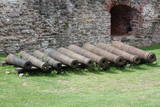 |
The Bauska Castle contains a collection of cast iron cannons which date back to the latter half of the 17th century and the beginning of the 18th century. They were manufactured in the Duchy of Courland. The cannons that are in the garden of the castle were not found there – they were found in different locations in Zemgale. Four of the largest cannons came from Jaunsvirlauka, where they were found on the banks of the Lielupe River opposite Emburga. They are the best preserved weapons of their type in Latvia. The only cannon that was found in the castle itself is currently in its South-eastern tower as a thematic exhibit. When it was being cleaned, two cannonballs were found in the weapons. The local Livonian Order castle is in ruins, but it and its defensive structures, including earthen ramparts that were installed from the mid-15th until the early 18th century, represent an important element of Latvia’s military heritage.
|
|
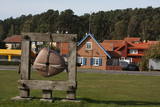 |
Old fishermen village, which was first mentioned in 1429. Before WW2 Juodkrante was popular resort in Europe and it still has its traditions nowadays. Village has an unique scenery with its wooden houses, promenade, Lutheran Church (1885), Lithuania's Art Museum Hall and much more. |
|
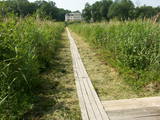 |
Near the Lielauce manor house start of a wooden pathway which crosses the transition-type swamp that is on the shore of Lake Lielauce to a boating facility near the open part of the lake. Boating and fishing are possible – here, too, the population of fish is regularly restored. The area is a part of the Vīķi swamp restricted zone. |
|
 |
Rukši ir bioloģiskā saimniecība, kura audzē HEREFORD šķirnes liellopus, bariņu blējošas aitas ,vistas. Ar ambiciozu skatienu nakotnē par iespējām nodrošināt ar kvalitatīvu liellopu gaļu visus izsalkušos. |
|
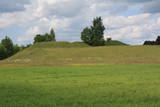 |
Eine von den relativ wenigen Wallburgen an den Daugava-Ufern, die nicht mit Bäumen und Gebüsch bewachsen sind, deswegen zeichnet sich eine klassische Form der Wallburg im Landschaftshintergrund ab. Die Wallburg von Dignāja wurde zu unterschiedlicher Zeit besiedelt, aber das Aufblühen im Zeitraum vom 5. bis zum 9. Jahrhundert erreichte, als sich hier ein bedeutendes Zentrum befand. Die Funde zeugen, dass die Wallburg von Dignāja von den lettgallischen Stämmen besiedelt wurde. Nach dem Einfall der Kreuzritter wurde auf der Wallburg eine Ordensburg gebaut, die bis heutzutage nicht erhalten ist. Es sind die Legenden, die über einen ehemaligen unterirdischen Gang unter der Burg erzählen. Von der Wallburg ist einen schönen Blick aufs Daugava-Stromtal. Auf der Wallburg sind die Schutzgräber aus der Zeit des Ersten Weltkriegs erhalten. Am Fuß der Wallburg befand sich einst eine Siedlung. |
|
 |
Einzigartiger Themenpark am Fluss Pirita, wo sich alles um die alten Wikinger dreht. Leistungen: Wikingerburg, Zauberstube, Schmiede, prähistorische Kampfspiele, Schauspiele, Abenteuerreisen mit Wikingerboot auf dem Fluss Pirita, Wanderungen mit Einbaumboot, Wurfwaffen, Bogenschiessen, Axtwerfen, Höhlensauna, Rauchsauna, Forellenfang, Erlebnisunterkunft, Verpflegung u.a. |
|
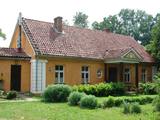 |
6 km südwestlich von Iecava befindet sich das Elternhaus von Eduards Virza (mit richtigen Namen: Jēkabs Eduards Liekna) (1883-1940), in das der Schriftsteller zusammen mit seiner Frau Elza Stērste 1901 zurückkehrte. Virza war einer der berühmtesten lettischen Dichter und Schriftsteller des 20. Jh., Publizist und Übersetzer von Poesie. Im Haus „Billītes“ entstanden viele Gedichte, und 1933 auch das legendäre Werk „Straumēni“, in dem das Leben des lettischen Bauern geschildert wird. Jetzt befindet sich im Haus „Billītes“ ein Virza-Museum. Dessen Begründer sind die Tochter des Schriftstellers Amarilis Liekna, deren Sohn Edvards Liekna, Tochter Anna Žīgure und Enkelin Diāna. Nach vorheriger Anmeldung können Besucher sich mit den Museumsexponaten und dem Werk von Virza bekanntmachen. |
|
 |
"Gusts Apinis" is located in Vidzeme highlands, Amata region. The company is unique in that it grows non-traditional crops in Latvia: quinoa, amaranth, millet, lentils, etc. Produces flour and pasta (buckwheat, buckwheat-quinoa) from grown products. |
|
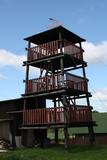 |
This is an interesting viewing tower which is part of one of the farm buildings. It offers a lovely view of the surrounding area.
|
|
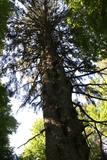 |
This is the thickest and mightiest Norwegian spruce (Picea abies) in Latvia. Its monolithic trunk, with its small holes, is unusual. The tree is in the overgrown park of the former Īve Estate, behind the ruins of the mansion.
|
|
|
|
Ļoļi Devil’s Footprint is situated in Mākoņkalns rural territory in a small forest lawn several meters from the
ditch, which is a borderline of the Rēzekne and Krāslava districts. It is about 1,9 m high truncated cone, the base
perimeter 1,8 m. According to the legend, the boulder had a curvy of the horseshoe prints. Now it’s shapeless. For the
first time the stone as a geological monument was established in the 1930s. It was in Andrupene rural territory.
|
|
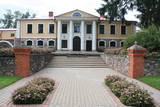 |
Befindet sich im Zentrum von Ineši, 5km südlich von Vecpiebalga. Die Anfänge dieses Herrenhauses sind von zweiten Hälfte des 17. Jh. bis zum 19. Jh. zu suchen, als 1786 am Ufer des Flüsschens Orisāres (andere Schreibweisen: Orizāre, Arisa) das Schloss des Grafen Scherementjev im klassizistischen Stil erbaut wurde. Während der Aufstände 1905 wurde es heruntergebrannt, vier Jahre später wieder aufgebaut. Das Gutsgelände umschließt ein Landschaftspark im symmetrischen Konzept eines Barockgartens. Der Gutshof von Vecpiebalga diente in dem berühmten Roman der Gebrüder Kaudzīte als Prototyp für den dort beschriebenen Gutshof Slātava. Im Weinkeller des Gutes wurde 1992 das Heimatmuseum von Piebalga eingerichtet. Im Herrenhaus hat auch der Ortsrat von Inesi seinenSitz, außerdem gibt es hier ein Studio für Porzellanmalerei. Interessenten werden organisierte Besichtigungstouren im und um den Gutshof angeboten. |
|
 |
The craftspeople produce interesting clay cups with text, drawings and animal figurines inside them. You can take a tour, watch the specialists at work, and engrave your own texts on dishware. You can also use gypsum moulds to create small animals, work with a potter’s wheel, purchase souvenirs, and order products for yourself. |
|
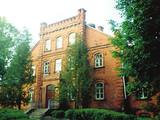 |
Rikavas Manor is the local architectural monument that belonged to Janovski family. Michael Riks
bought the building in the second half of the 18th century. The construction works of the manor house lasted
from 1870 till 1875. The redbrick building is an example of Neo Gothic style. Since 1926 there was established
a school. You should see the beautiful interior and wooden stairs as well as school’s workshop
|
|


