
| Nr | Name | Beschreibung |
|---|---|---|
 |
The Krimulda Castle was built in the latter half of the 13th century. It was located where the right bank of the ancient Gauja River valley is split by the deep Vikmeste ravine. The castle was owned by the council of archbishops from Rīga, and it was an impressive structure with a large interior courtyard and a defensive wall that was 1.5 m thick. The Swedish military blew up the castle when retreating in 1601. Today the castle hill is forested, and only a small fragment of the castle wall can still be seen. It is near the ruins that you will find the Sigulda aerial tram and the Krimulda serpentine road – the only object of its kind in the Baltic States. |
|
 |
Saimniecība "Dižgāļi" Alsungā nodarbojas ar bioloģisko lauksaimniecību, gaļas liellopu audzēšanu un aitu audzēšanu. Apmeklētājiem ir iespēja aplūkot saimniecību, tajā esošos dzīvniekus, kā arī iegādāties svaigo produkciju. Saimniece pastāstīs par vietas vēsturi, kā arī pacienās viesus ar vistas zupu. |
|
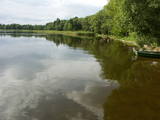 |
Ar mežiem, purviem un ezeriem (Riču, Sila u.c.) bagāta teritorija Latvijas - Baltkrievijas pierobežā. Galvenās aizsargājamās dabas vērtības - dažāda veida purvu, mežu un ezeru biotopi un tajos mītošās augu un dzīvnieku sugas. Ezeru krastos, kurus iecienījuši vietējie atpūtnieki, atrodas vairākas naktsmītnes. Ilgas muiža (celta 19. gs. kā medību pils) ir Daugavpils Universitātes studentu prakses vieta. Silenes dabas parkā ietilpst arī Glušonkas purva un Ilgas dabas liegumi.
|
|
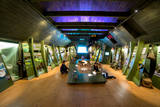 |
The Baltic Sea gave this territory one of the old names of Jūrkalne – Felixberg, and people still talk about the interesting legend that is the origin of the name. Several wrecked ships have been found in the Baltic Sea off the coast of Jūrkalne. An exhibition in the museum visualises the underwater world as the deck of a ship that has sunk into the depths of the sea. The exhibition focuses on the cultural and historical heritage of underwater Latvia, allowing visitors to learn all about the history of sailing ships, steamships and other objects that have been raised from the depths. Small children will start to learn about the underwater world, and researchers with broader knowledge will find something new here. |
|
 |
Saimniecībā tiek audzēti Helix Aspersa Maxima sugas gliemeži. Ekoloģiska produkcija. Tie tiek baroti tikai ar vietējiem dārzeņiem un gliemežiem domāto īpašo barību. |
|
 |
Der ehemalige Panzerweg für Versuchsfahrten, der durch die Wälder der Küste von nördlichen Teil von Ventspils (von Panzerabteilung im nördlichen Teil) bis zu Oviši führte. Heutzutage ist hier ein breiter, sandiger und zuwachsender Durchhau erhalten geblieben.
|
|
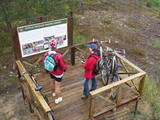 |
Lietuvas lielākais sūnu purvs, kura aizsardzības nolūkā ir izveidots Čepkeļu dabas rezervāts (Čepeklių gmatinis rezervatas). Tas izvietojies starp Dzūkijas nacionālā parka dienvidaustrumu daļu un Baltkrieviju. No Marcinkones pa smilšainu meža ceļu (~ 9 km turp - atpakaļ) ar kājām vai divriteni (arī nelielu tūrisma autobusu līdz 20 vietām) var nokļūt līdz purva malai, kur mežainās kāpās un purvā izveidota 1,5 km gara dabas taka un skatu tornis, no kura labi pārredzama purva rietumdaļa. Pirms došanās uz Čepkeļu purvu, ir jāreģistrējas Dzūkijas nacionālā parka apmeklētāju centrā (Šilagėlių gatve 11), kas meklējams aiz dzelzceļa pārbrauktuves. Te apskatāma neliela nacionālajam parkam un rezervātam veltīta ekspozīcija. |
|
 1 Tag
|
Guided wilderness experience day-trip combines bog shoeing and canoeing. First is walking through the forest and reaching the largest peat-bog in Estonia – Kuresoo. Wear bogshoes and walk on the wild landscape, followed by wilderness lunch. The trip ends with a relaxing canoe trip along Soomaa meandering rivers. |
|
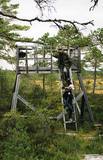 |
Das Territorium wurde eingerichtet, um den Sumpf, einen sumpfigen Wald und eine Reihe seltener Vögel zu schützen. Der Sumpf Niedrāji-Pilka kann mit trockenen Füßen durchquert werden, während man die fast unberührte Natur genießt. Das ist vom Damm der Schmalspurbahn, die für drei oder vier Kilometer vom Nordosten zum Südwesten des Sumpfes führt, möglich oder zu Fuß auf dem gut markierten Rundweg auf dem östlichen Teil des Damms.
|
|
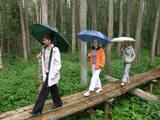 |
Im Jahr 2005 wurde ein Stegpfad angelegt, über den man vom Haus Dunte (Münchhausenmuseum) durch die feuchten Küstenwälder bis zur Küste spazieren kann. Entlang des Pfades wurden Erholungsplätze mit Holzskulpturen und Spielen nach dem berühmten Baron Münchhausen geschaffen.
|
|
 |
Aus den in der herrlichen Hügellandschaft des Kreises Võru (Võrumaa) wachsenden Beeren und Früchten machen die Weinbauer Wein, sie stellen den Gästen ihren Garten vor, erzählen über die Weinherstellung und veranstalten Verkostungen und Workshops. |
|
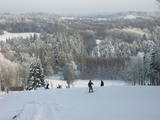 |
Der Gaiziņkalns ist der höchste Berg in Lettland und ist ein typisches Beispiel für die Hügel des Vidzemer Hochlandes. Dies ist ein Platz mit einer wunderschönen Landschaft, wenn es dort auch nicht so viele schöne Aussichtsplätze gibt. Im Zentrum des Parks befindet sich der Gaiziņkalns-Berg – die höchste Erhebung Lettlands und die zweithöchste der Baltischen Staaten (311,6 m über dem Meeresspiegel). Der Aussichtsturm ist wegen seines schlechten Zustandes leider nicht freigegeben für die Öffentlichkeit. Es gibt einen gut markierten Wanderweg um den Gaiziņkalns herum und während des Winters sind der Berg und seine Umgebung beliebt als Abfahrts- und Langlauf - Skigebiet. Der See Viešūrs (See Kaķītis) ist bei amtlich zugelassenen Fischern beliebt. Dieses Gebiet ist Teil einer Region geschützter Landschaften um Vestiena herum.
|
|
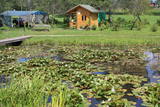 |
On the edge of the Bērzkrogs-Madona road in the centre of Vecpiebalga, you will find a pond full of various types of water lilies of different colours. The owner will tell you all about the popular folk song about water lilies from Vecpiebalga, offer plants for sale and offer practical advice. The pond also has carp which children can feed by hand while their parents are listening to the stories. |
|
 |
Die Mooska Erlebnistouren bieten Ihnen hervorragende Möglichkeiten zum Kennenlernen der Kulturerbe des Landkreises Võro: Rauchsauna und Saunabräuche, traditionelles Räuchern von Fleisch im Winter in der Sauna und im Sommer in einem mit Steinen gepolsterten Räucherbett. Die naturverbundene Lebensweise und das Naturgefühl der Südesten lernen Sie auf einer Tour nach Vällamäe kennen, wo auch Atmung, Orientierungsspiele, Nordisches Wandern und Wanderungen mit Schneeschuhen durchgeführt werden. Empfehlenswerte Gruppengröße bis zu 12 Personen. |
|
 5 Tagen
|
Путь пролегает по красивейшему ландшафту Балтии – через Национальные парки Гауя, Лахемаа и Матсалу, Видземскую возвышенность, а также возвышенности Отепя и Пандивере. Также в маршрут включены Мунамегис, Чудское озеро и селения по его берегам, каменистое морское побережье в Северной Эстонии, самые живописные водопады Эстонии, рыбацкие поселки. Вы увидите природные тропы, смотровые вышки и самые великолепные поместья и дворцы. Возможно дополнительно организовать сплав на лодке по рекам Ахья и Выханду. |
|
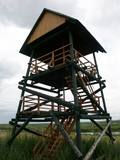 |
The tower is on the western shore of the lake, next to the dam and the Zvidze canal. From here you will see the overgrowth north-western part of the lake, Akmeņsala Island, and a wide area of open water. The third is on the southern shore of the lake, by the dam and the Īdeņa canal. Here you will find typical views of wetlands – areas of reeds, shrubbery, wet meadows and the overgrown lake. |
|
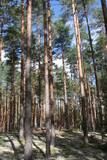 |
Ein mit Wäldern bedecktes Gebiet, durch welches der Fluss Gauja fließt. Alte Flussärme, parkartige Eichenwiesen, Laubwälder und Schutzarte. Naturpfade. |
|
 7 Tagen
|
Wenn Sie einen aktiven Lebensstil pflegen, ist diese Tour die perfekte Möglichkeit, das gastronomische Angebot im Gauja-Nationalpark zu erleben. Der Radweg beginnt in Strenči und führt zunächst an zwei lokalen Brauereien in Brenguļi und Valmiermuiža vorbei – beide mit schönen Cafés und natürlich gutem Bierangebot ausgestattet. Auf dem Weg nach Valmiera werden Sie im Dorf Trikāta stoppen, um vor Ort hergestellte Schokolade zu probieren. Von Valmiera aus führt die Route durch einen wunderschönen Wald nach Cēsis mit seiner reizvollen mittelalterlichen Altstadt. In Cēsis besuchen Sie eine Bäckerei und eine Destillerie, wo wiederum Gaumenfreuden auf Sie warten. Überdies werden Sie sehen, wie ein Kräutergarten im Mittelalter aussah. Sie werden eine Kanufahrt von Cēsis nach Līgatne erleben – auf der Gauja mit ihren verwunschenen Sandsteinfelsen, vorbei an einsamen Gehöften und uralten, wasserbetriebenen Fährschiffen. Das historische Zentrum des Städtchens Līgatne wurde von der Entwicklung der alten Papierfabrik geprägt. Auf dem Programm steht ein Besuch von Weinproduzenten und anderen kleinen Handwerksbetrieben, die sich in den alten, von Menschenhand in den Sandstein gegrabenen Höhlen befinden, für die Līgatne bekannt ist. Wenn Sie über die hügeligen, kurvenreichen Straßen von Sigulda radeln, begegnen Ihnen gleich zwei mittelalterliche Burgen – die von Turaida und die im Stadtzentrum. Sie fahren auch an der Gutmannshöhle und an Aussichtspunkten vorbei, von denen aus sich Ihnen fantastische Ausblicke auf das Tal der Gauja bieten. In Sigulda können Sie in den Restaurants „Bucefāls“ und „Aparjods“ lettische traditionelle Gerichte bestellen und im Gästehaus „Mauriņi“ 80 Arten von Konfitüren probieren. |
|
 |
Jaanihanso ist ein Betrieb, der im historischen Bauernhof der Familie Roosimaa errichtet wurde und Apfelwein und Eis-Apfelwein aus estnischen Äpfeln produziert. |
|
|
|
Befindet sich in Skrīveri, Daugavas Straße 58. Das erste Haus des Schriftstellers (1877 – 1970) wurde 1908 gebaut, aber jetziges Haus – im Jahre 1921 auf der Grundlage des ersten Hauses. Im Gebäude ist ein Museum eingerichtet. Die Exposition des Museum veranschaulicht einen Lebens- und Schaffensweg des Schriftstellers, sowie wie der Roman “Grüne Erde” erschaffen wurde. Neben dem Haus ist ein Garten.1952 hat der Schriftsteller das Haus mit dem Garten der Staat geschenkt. Es werden Führungen und museumspädagogische Programme angeboten. |
|


