
| No | Name | Description |
|---|---|---|
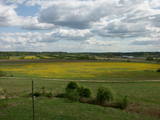 |
From the Asote castle hill, which is on the right bank of the Daugava River near Jēkabpils, there is a fine view of the Daugava River valley, the Ābeles Island, and the Kaupre castle hill that is at the northern end of the island.
|
|
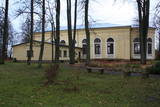 |
Dievnams celts (1851. g.) un vēlāk (1876. g.) paplašināts. Tas tika sagrauts 2. Pasaules kara laikā un pēcāk atjaunots. Līdz Latvijas neatkarības atgūšanai to izmantoja par skolas sporta zāli. Pēc draudzes darbības atsākšanas (1989. g.) sākās arī baznīcas un ar to saistīto tradīciju atdzimšana. Apskatāma no iekšpuses. |
|
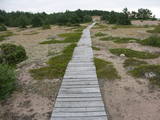 |
Igaunijas jūras ūdeņos ir saskaitīta 1521 sala! Salu sarakstā pēc platības (63 ha) ~ 2,5 km garā Mohni sala ieņem 38. vietu. Lai saudzētu salas trauslo veģetāciju (vietām nedaudz atgādina krūmainu tundru), tās vidusdaļā ir izveidotas koka laipas. Salas dienviddaļā atrodas sašaurinājums, kuru tāpat kā blakus esošo jūras krastu klāj viens no savdabīgākajiem Igaunijas akmeņu laukiem. Salas ziemeļos esošās Mohni bākas (Mohni tuletorn) celtniecība pabeigta 1871. g. un tās gaisma ir redzama 10 jūras jūdžu attālumā. Šī ir viena no skaistākajām Ziemeļigaunijas bākām! Līdz Mohni salai var nokļūt ar laivu (iepriekšēja pieteikšanās) no ~ 5 km attālās Vīnistu ostas (Viinistu sadam). Ar jūras laivu vai kajaku piemērotos apstākļos būs ~ 1h ilgs brauciens. Jārēķinās, ka uz salas nav pastāvīgo iedzīvotāju! Vīnistu ciemā apskatāms 2002. g. izveidotais Vīnistu mākslas muzejs (Viinistu kunstimuuseum). Apmeklētājus iespaidos ne tikai tā āriene, bet arī tapšanas vēsture. |
|
 |
This farm offers tours for children who can become friends of horses, look at Angus cattle and learn about a dairy farm. The children are transported in a specially adapted cart that is pulled by a tractor. The farm plans to purchase some alpacas in 2018. |
|
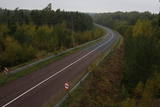 |
This is the ancient shore of the Baltic Ice Lake. We can only imagine the landscape 10,000 years ago, when the Kurzeme peninsula was covered with vegetation reminiscent of a tundra, and waves from the icy lake dashed against the ancient shoreline. We know that the lake was full of icebergs of various sizes. Today the cliff is more than 20 km long (some 9 km of it are in the Slītere National Park), and it is as much as 42 m high. It is the most impressive cliff of its type in all of Latvia. At the foot of the cliff are the Irve flatlands (the name comes from the Liv 'īrva' or 'īra', both of which refer to deer). The flatlands are the former bottom of the Baltic Ice Lake. The Blue Hills are crossed by many small streams and rivers (Pitragupe, Lorumupe, Kaļķupe, Mazupe, etc.). Their valleys are the basis for a branched and very complicated system of waterways which look particularly impressive when the trees are bare. In many places the cliffs and valleys display small areas of sandstone from the Narva suite. These are Latvia's oldest sediment cliffs that can be seen above ground. Although the Blue Hills are very impressive in scope, there are only a few places where there are important viewing areas (a viewing tower at the Dundaga-Mazirbe road, the view from the Šlītere lighthouse, the view from Mežlīdumi). The mightiness of the ancient shoreline can truly be enjoyed from the Cirste-Mazirbe road, the Cirste-Riepaldi road, Mežlīdumi and the Vīdala-Melnsils road). It is worth visiting the area in the springtime, when the slopes of the Blue Hills seem to be sinking under the fresh greenery. |
|
 2 days
|
This part of the Forest Trail passes through the historical centre of Valmiera. In Valmiera you can visit St. Simon’s Church, the Ruins of the Livonian Order Castle and Valmiera Museum. We also suggest walking the barefoot trail in “Sajūtu Parks” (Park of Senses). After sightseeing in Valmiera, the Forest Trail goes through Atpūtas (Recreation) park, the beautiful pine forest and Baiļi winter ski centre. Further on you will walk along the River Abuls Trail, curving along the banks of the river until reaching the Brenguļi brewery built in an old Hydroelectric power plant. You can enjoy unfiltered and unpasteurised beer here. Further down you will enter unpopulated forest areas and the Northern Gauja protected landscape area. The forests in Northern Gauja (“Ziemeļgauja”) are very diverse. There are old or natural boreal (northern) forests and marsh forests, oak forests, alluvial forests (formed on river sediments which periodically flood) and mixed oak, wych elm and ash forests along the river. The tour will end in Strenči Town. |
|
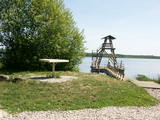 |
Viewing tower on pontoons, and there is a footpath to get to it. The tower offers a view of nearly all of Lake Sloka, all the way to Kauguri. Particularly visible is the northern part of the lake. There is also a sulphur spring. The site is good for bird-watching throughout the year, including the winter, because parts of the lake do not freeze over. |
|
 |
The watermill was restored in the 1920s and renewed operations in 1992. It offers a look at historical mechanisms and the milling process, while the café offers pancakes made of the flour that is ground at the mill. Latvian cuisine: Herring with cottage cheese and boiled potatoes, pancakes with mushrooms, cheese, vegetables, meat, honey, cream, cottage cheese, ice cream and caramel. |
|
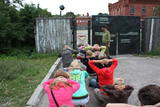 |
The Karosta prison cannot be described, it must be experienced and survived. That’s an opportunity for everyone. This is the best example in Latvia as to how the military heritage can be used for tourism purposes. Others can learn from this site. |
|
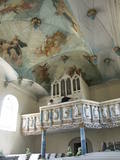 |
The Apriķi Lutheran Church is, for good reason, known as one of the most beautiful churches in Kurzeme. It was owned by the Osten-Zacken dynasty in the past, built in the 17th century, and rebuilt in 1710. The wooden interior is in the Rococo style with elements of the Baroque, and it dates to the mid-18th century. It is amazingly ornate. The beautiful ceiling paintings, which were produced by a Prussian painter called Rode, were painted between 1744 and 1746. |
|
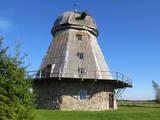 |
The owners have maintained a historical windmill (built in 1885) and its mechanisms. You can go on a tour of the structure, look at the mechanisms of the mill and taste local baked goods and country bread. |
|
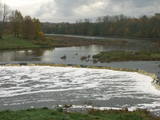 |
The recently renovated old brick bridge and the viewing area that is on the left bank of the Venta beyond the castle guard’s hut offers a lovely view of the widest and most impressive waterfall in Latvia – the Venta falls. It is worth visiting during the spring floods, when fish are migrating.
|
|
 |
Atpūtas vieta Braslas upes krastā, kurā pieejamas telts un kemperu vietas. Tiek piedāvātas dažādas izklaides iespējas: laivu noma, meža futbols un meža biljards. Piedāvājumā arī grila noma un malka ugunskuram. Sadarbībā ar kafejnīcu "Zem ozola" tiek nodrošināta ēdināšana, iepriekš par to vienojoties. |
|
 |
The fisherman offers you a chance to engage in string-based fishing at the seashore near Nida and Pape, fishing out in the sea (1-2 people), and ice fishing during the winter. You can smoke what you catch or cook fish soup with it. |
|
 |
The restaurant and deli is located in Cēsis, on the way from Valmiera. Modern interior, relaxed atmosphere and delicious dishes from the produce of local farmers. The menu is rich not only with meat and fish dishes, but also with a wide range of vegetarian dishes. |
|
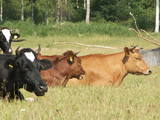 |
The farm grows peas, grits and beans, and it breeds cattle. Visitors can take a tour to learn about biodynamic agricultural techniques. |
|
 |
Mācību drava "Kāre" piedāvā iepazīties ar bišu valstības noslēpumiem. Interesanta iepazīšanās ar brīnumiem un noslēpumiem bišu saimes dzīvē. Apmeklētājiem ir iespēja ietērpties speciālos aizsargtērpos un bitenieka vadībā iepazīties ar dzīvas bišu saimes smaržu. Veselībai un dzīvespriekam iespējams iegādāties - medu, bišu maizi, bet romantiskai noskaņai - smaržīgas bišu vaska svecītes. |
|
 |
The “Lamb Club” is a farm in Mazsalaca, and it is special because the sheep live in a real club! The owners offer the atmosphere of a farm at which the sheep play major roles. Enjoy mutton and sheep milk foods and beverages, feel how comfortable it is to read your favourite while sitting on a fluffy sheepskin, and, in order not to get cold by the campfire in the evening, you can purchase warm woollen socks and woven woollen cloaks. The owners hope that people from Latvia and all around the world will spend more time at the farm, because accommodations involve a new glamping tent that is as close as possible to nature and the healthy rural environment. Don’t lose a lick of the comfort that you are used to in your everyday life! The owners, Ilze and Valters, will be happy to give you a tour during which they talk about herding sheep. If you contact them in advance, they will prepare a tasty mutton meal for you. The tour can also be supplemented with various activities such as games, quizzes and creative workshops at which sheep wool is utilised. |
|
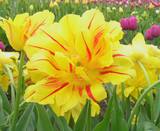 |
This farm grows tulips and has nearly 400 different types of bulbs. A tulip festival is held each spring, and bulbs can be purchased in the autumn. Also on view are a pony, goats and rabbits. The farm also offers cakes, pastries and other treats. |
|
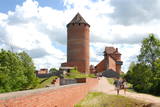 |
Before the stone Turaida Castle was built beginning in 1214, there was a wooden castle there that had been built by the Livs. The Turaida Castle was owned by the bishop of Rīga. It remained in place until 1776, when it burned down. The initial entrance to the castle's main tower was 9 m above ground, and in 1936, a viewing platform was installed at a height of 27 metres. There is no other view in Latvia that is like the one from the Turaida Castle! Restoration work at the castle began in 1953, when the upper level of the tower was restored and a roof was installed. Also restored was the former granary, which was home to an exhibition about the Sigulda region, along with the semi-circular tower and the southern segment of the castle complex, complete with the full reconstruction of its historical interior. Archaeological work was done around the castle between 1976 and 2001, and this led to the restoration of a large part of the complex. The castle now contains a museum exhibition related to the historical events of the surrounding area. The Turaida Castle is in the Turaida Museum Reserve (see above). |
|


