
| No | Name | Description |
|---|---|---|
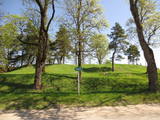 |
Is an ancient Courlandian castle hill and is found in the very centre of Alsunga. It was named in 1659 when General Berg from Kurzeme put cannons on it to attack Swedish forces that had fortified themselves in the Alsunga castle. The hill is 8 to 10 metres high and 24 x 54 metres wide, offering a lovely view of the St Michael Roman Catholic Church, as well as the Alsunga windmill lake that is alongside it. There is a distinct terrace around the hill, and it once was the foundation of wooden defensive structures. On the other side of the street, to the West of the castle hill, is a cemetery with fire graves of Courlandians that date back to the 11th to 13th century. Archaeologists examined the area during the middle part of the last century. The Suiti celebrate Easter and other holidays on the hill. |
|
 |
The restaurant "Barons Bumbier’s" is situated in the shopping centre "Kurzeme", at the very heart of the city next to the place which is knows as the heart of Liepaja – the Rose Square. The restaurant offers substantial traditional Latvian cuisine. The menu is designed in a way for every gourmande to get to know and evaluate traditional dishes of Latvian cuisine, which, cooked by experienced chefs, will surprise anyone with its variety. Latvian cuisine: Vegetable soup, cold beet soup, sliced pork, strawberry soup. |
|
 |
The restaurant is on the edge of the Turaida-Ragana road. The granary was built in 2004 in line with historical traditions. It resembles the Turaida Estate granary that was built by Baron Holstein. Latvian cuisine: Smoked catfish, leg of lamb, roast veal, venison or pork, stuffed duck or goose. |
|
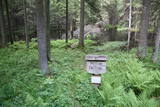 |
Ja apskatīta kodolraķešu bāze, tad var iziet 3,2 km garo Ploštines izziņas taku, kas sākas turpat netālu. Taka ved cauri dažādiem mežu tipiem, iepazīstinot ar sikspārņu būrīšiem (cilvēka radītas sikspārņu dzīves vietas), apkaimes augiem un putniem, kā arī aizsargājamu dabas pieminekli – Pileļu avotu (Pilelio šaltinis). |
|
 |
Prepares dishes from local Latvian products. The menus are changed every season, meaning that the guests can enjoy seasonal dishes. The 360-degree glazed terrace offers a picturesque view of Rose Square, in the heart of Cēsis City. |
|
 7 days
|
This long tour of Latvia includes some of the best and most beautiful parts of Jūrtaka in Latvia. Hikes along the sea alternate with trips and excursions in the cities. You will go along the coast of the Baltic Sea from Mazirbe to Kolka, seeing Slītere National Park and Livonian villages. You will see Engure Nature Park and the overgrown seaside meadows that are suitable for bird watching. Along the way, you will be able to purchase smoked fish from local fishermen and learn about fishing traditions in Latvia. Further, the route will take you through the most popular seaside resort in Latvia, Jūrmala; you will also have time to visit the capital city - Rīga. The second part of the route runs along the Vidzeme coast from Saulkrasti to Svētciems. In terms of landscapes and views, the most multifaceted section of the Baltic Coastal Hiking Route in Latvia, which includes both sandy and rocky beach, coastal meadows, reeds, dunes, sandstone outcrops, forests, capes and small coves, fishing villages and pubs. |
|
 |
In Põlvamaa, on the side of the historic post road, a farmer’s kitchen and leisure home Kopli is located, surrounded by joy and delicious flavours. Farmer's kitchen Kopli offers a comfortable way to spend time and private restaurant services. The café operates during summer. Enjoy gelato type ice-cream here all year round. |
|
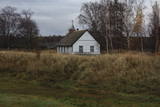 |
Labi aplūkojama (neliela izmēra vienstāvu ēka) no Klajumu vējdzirnavu puses. Baptistu draudze Jūrmalciemā dibināta 1933. gadā. |
|
 |
The cafe is situated in Jekabpils, in the shopping centre Aura, on the left bank of the river Daugava. The premises are comfortable and have a touch of a countryside, which can be felt in the wooden interior of the place. They offer breakfast, dinner or supper here. Working hours: 9:00 – 20:00 |
|
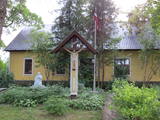 |
Antons Rancans produces wooden busts of well known people from politics, the arts and other fields of endeavour, and these can be purchased. Visitors can also commission decorative objects that are produced from wood. The artist also produces crucifixes. Gundega Rancāne is a landscape painter who is renowned for her masterful use of light and shadow. Her works are available for purchase.
|
|
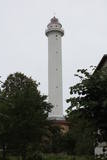 |
The Miķeļbāka lighthouse was built in 1957 and is the highest one in Latvia. Standing 58 m tall, it can only be viewed from the outside. |
|
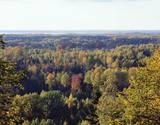 |
This is the highest point in the Latgale highlands (289 metres above sea level), opening up a narrow but lovely view of Lake Rāzna and the massive forests of the highlands. You really should visit this hill when the sun is setting beautifully!
|
|
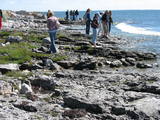 |
The national park was established to protect the 100 or so small islands that make up the archipelago of the local area. The largest island, the Vilsandi Island, is 6 km long and up to 2 km wide. You can rent a boat to get there, or, during appropriate conditions, you can walk across the sea and the small islands from the southern end of the Kuusnõmme peninsula.
|
|
 1 day
|
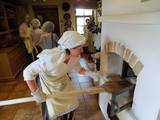
Since ancient times bread has been our staple food, and formed part of breakfast, lunch and our evening meal. We bake bread from rye, wheat, buckwheat and barley. Both fine-ground and wholemeal flour is used. Bread baking is one of the most honoured traditional skills in Latvia. Caunītes country house keeps Latvian traditions alive and demonstrates them to visitors. The house is designed and decorated in the traditional Latvian style and exudes an authentic ambience while having modern facilities. Under the guidance of the hostess, visitors will bake their own loaf of sweet-and-sour bread in a wood-fired bread oven. In Latvian families it was traditionally one of the main duties of the lady of the house to bake a week’s supply of bread for the whole family every Saturday morning. Every woman was proud of her own unique recipe and passed it down to her daughters and granddaughters through the generations. There are many traditional beliefs, sayings and riddles linked with bread in Latvian folklore. Today, there is great interest in the old recipes, bread-baking methods and the use of organic ingredients as many families are opting for a healthy lifestyle. |
|
 2 days
|
The Gauja is the most beautiful river in Latvia, with an impressive river valley that is up to 80 metres in depth. Picturesque sandstone outcrops rise above the river. The Gauja is a calm river, with just a few small rapids. Leisure boating is perfect here. Between Cesis and Sigulda, the Gauja flows through the Gauja National Park . There are several well-appointed facilities for boaters on the banks of the river, with benches, tables, places for campfires, firewood and information stands.Several interesting heritage sites on the way - Ligatne Oldfashioned ferry, Turaida medieval castle and Krimulda Manor. |
|
 |
Atrodas Liepājā, E. Tisē un Lauku ielas krustojuma galā. Pa Ezera laipu (Liepājas ezera palieņu pļavas) var nokļūt līdz putnu vērošanas tornim, no kura labi pārlūkojama ezera ziemeļdaļa. Laba putnu vērošanas vieta. Ietilpst Liepājas ezera dabas lieguma teritorijā. |
|
 10 days
|
From Vilnius the route goes to picturesque Trakai Castle surrounded by lake from which it continues to Dzūkija National Park. The park introduces with traditional Lithuanian way of living, closeness with forest as well as valuable natural resources. Information centre and centre of etnoculture is located at Marcinkonys but Čepkelių raistas provides atmospheric vast bog landscape. Pleasant forest trails and quite roads are pleasant for cycling. Druskininkai is a historic spa resort with charming old town, many spa hotels, walking trails and entertainment facilities. There is the Grutos Park where monuments from Soviet area is collected in order to demonstrate the former oppressive ideology. From there the road heads to lively Kaunas which sits between two rivers -Nemunas and Neris. |
|
 5 days
|
From Riga the tour goes through historic sea resort Jurmala to Pure Chocolate museum where you could see production and taste some. Then the tour goes to Sabile where there is small Wine Hill which history dates back to 16th century. You visit local wine producer who will show his gardens and talk about grape growing in the Latvian climate nowadays. Afterwards tasting of the seasonally available drinks. Then you visit small picturesque town Kuldiga and have some wine tasting there. Next day there are eco wine tasting at Aizpute and Durbe and then go to the city of Liepaja with lovely sandy beach, arty atmosphere and significant military heritage at Karaosta suburb. Then the route follows up the coast line. At Pavilosta you have a trip in traditional fishermen boat and at Alsunga singing and demonstration of local traditions by Suiti women. Culturally colourful community which heritage is listed in UNESCO. Then walk along the steep sea cost at Jurkalne and enjoy the best maintained port town of Ventspils. Next day there is a visit to local fishermen and see fish smoking process, then walk along Cape Kolka where the open sea meets the Riga Bay. Turning back to Riga you have a visit and tasting at wine maker in Talsi. |
|
 |
The saloon is opposite the Machinery Museum on the edge of Bauska. The nationally historical interior allows visitors to comfortably feel different than others. Latvian cuisine: Oatmeal, milk soup, pumpkin soup, cold beet soup, homemade steak haché, potato pancakes, crepes, bread soup. |
|
 |
The owner of the farm was the first to grow bush blackberries in Latvia in 1996, and today he has whole fields of the berries. He sells berries and plants, offers tours with tastings and consultations, designs gardens, and prepares plans for greenery. |
|


