
| Nr | Name | Beschreibung |
|---|---|---|
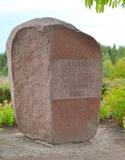 |
Befindet sich in einer kleinen Ortschaft Vasiļova, am Rande der Landstraße Daugavpils – Rēzekne (A13). Hier befand sich einst ein kleines Landgut Vasiļova und der Mieter des Landguts war der Vater von Jāņis Raiņis – Krišjānis Pliekšāns. |
|
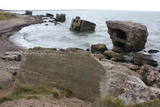 |
Eine von der visuell ausgeprägtesten Batterien der Küstenwache. Warum? Die Positionen der Batterie und die einzelnen Elemente sind ganz oder teilweise im Meer eingespült worden und dabei entsteht eine nicht für Meeresküste Lettlands charakteristische Ansicht. Sie sind besonders beeindrucksvoll in der Zeit der Stürme. Leider ist dieses historisches Denkmal den mächtigen Vorgängen der Naturkräfte ausgesetzt. Die Batterie kann man auch von der nördischen Mole von Liepāja sehen. Es lohnt sich die 4 km lange Strecke entlang der Meeresküste bis zu den nördischen Befestigungswerke zu Fuß zu gehen. Bei der Gelegenheit kann man auch die Positionen der Küstenschützbatterie 23 besichtigen.
|
|
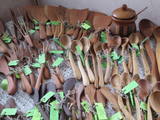 |
The spoon workshop offers useful objects such as wooden spoons, cutting boards, butter knives, pans, spatulas, etc. You can produce your own wooden spoon and look at finished spoons made of more than 17 different types of wood from Latvia. During the summer the owners offer “pancake tours” with tasty jams. You can purchase spoons and homemade wine. |
|
 |
The organic farm Zemturi is a 30 min drive from Kuldiga. The farm is mainly engaged in breeding rabbits and is designed as a place for children to see, learn about rabbits, birds and other pets. The hosts have created two thematic trails, one for pets and poultry and the other for trees and flowers. Sauna lovers have access to the sauna, also fishing opportunities can be used. Overnight stays with family or a small group of friends are also offered. Excursions for big and small. |
|
 |
In der Handarbeitsstube Lõnga Liisu kann man beobachten, wie früher Wolle gesponnen wurde und wie man heutzutage Stricksachen anfertigt. Erlernen Sie Wolle kardieren und spinnen und probieren Sie mal auf einem Webstuhl Teppiche zu weben. Im Geschäft gibt es viele nette Sachen zum einkaufen. In der Handarbeitsstube Lõnga Liisu werden auch grössere Gruppen empfangen. |
|
 |
Atrodas 3 km dienvidos no Velēnas luterāņu baznīcas. Savdabīgo akmens velna skulptūru 1955. g. kā „pieminekli” meliorācijas darbiem veidojis vietējais iedzīvotājs Vilis Zvaigznītis. |
|
 |
Одна из наиболее высоких дюн нашего побережья. В советское время в дюне велись копательные работы, так как песок использовался для производства силикатного кирпича. В 80-е годы ХХ века копательные работы были прекращены. Самая высокая часть дюны (хороший вид) сохранилась и поросла сосновым лесом. Создана природная тропа горы Пусену. Находятся в Бернатском природном парке. |
|
 |
Traditionelles estnisches Essen aus den Produkten von Bio-Bauernhöfen Saare Ubin und Vatsliku. |
|
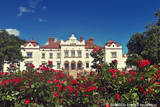 |
Das Schloss und Museum Rokiškis stellt eines der wichtigsten kulturellen Zentren Oberlitauens dar. Der Park und die Schlossteiche unterstreichen den herrschaftlichen Charakter des Ensembles. |
|
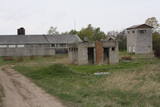 |
Die ehemalige Meldegängerabteilung in Pļavmalas wird zur Zeit als Lager für die Landwirtschftsprodukte genutzt. Das Objekt ist im Besitz von einem Bauernhof.
|
|
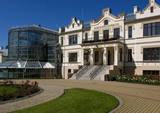 |
Der Schlosspark Kretinga ist einer der ältesten erhaltenen Schlossparks in Litauen, datierend aus dem 16. bis 18. Jahrhundert. Der Park hat eine Fläche von 23 ha und ist stilistisch gemischt. Im Südteil des Schlossparks Kretinga ist an der Stelle der ehemaligen Obstplantage jetzt ein astronomischer Kalender mit Sonnenuhr aufgestellt. Ferner gibt es hier viele Hecken, Allen, Blumenrabatten und Alpinarien. Sammlungen aus Dahlien, Pfingstrosen und Tulpen werden gehegt und man ist mit der Wiederherstellung des einstigen Rosengartens, der Wege und der Plätze zum Ausruhen beschäftigt. Der bereits restaurierte Springbrunnen des Schlosses wurde zu einem bei den Gästen sehr beliebten Erholungsort. |
|
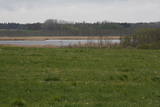 |
Nature restricted area surrounds Tasu Lake and swampy shores of it in a narrow band. The territory was established to protect rare nesting and migratory birds. The territory is easily overseen from the narrow gravel roads all around the area not entering the actual protected area. Tasu Manor house is located to the South of nature restricted area.
|
|
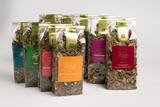 |
In the farm "Ozoliņi" organic tea is produced. With brand "Lauku tējas" tea has been sold in stores more than 17 years. Hostess is happy to share her knowledge through seminars and tea workshops. The farm is surrounded by forests and biologically valuable meadows where you can find up to 50 plants per square meter. |
|
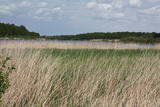 |
Der wichtigste “Schatz” in diesem Territorium ist der flache und eutrophische See, der Heimat vieler wichtiger Vögel ist. Der See und seine Auenwiesen weisen auch viele verschiedene Pflanzen auf. Der Svētupe – Fluss fließt vom nördlichen Teil des Sees aus.
|
|
 |
Der Botanische Garten ist Bestandteil der Universität Šiauliai. Hierbei handelt es sich um den jüngsten und flächenkleinsten botanischen Garten in Litauen Die Anlage des Garten begann 1958. Seine Gesamtfläche beträgt 6,54 ha. |
|
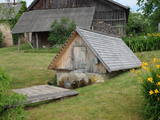 |
Die ältesten Informationen über die Quelle von Tirza stammen aus der Mitte des 18. Jh., aber die Quelle wurde schon viel früher verwendet. Nach Waschungen oder dem Wasserschöpfen wurde der Quelle geopfert. In der ersten Hälfte des 19. Jh. begannen der Baron von Tirza und die Kirche einenKampf gegen die heidnischen Traditionen, sie waren jedoch nicht sehr erfolgreich. Über der Quelle wurde eine Überdachung gebaut und noch heute kommen Menschen zur Quelle, um Wasser zu schöpfen. |
|
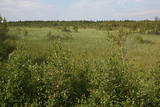 |
There is no need to enter the bog to see it, there are good views from the highway Ventspils – Riga (77 km, bus stop “Pagrieziens uz Elkskeni”). The main value of restricted area is chalky fen bog with brown bog-rush (greatest habitat finding in Latvia). Be careful when stopping on the highway – mind the traffic! A couple of kilometers towards Riga, on the right side of the highway, there is sign to Grizu Velna kresls ( Grizu Devil Chair) which is an attractive boulder (protected).
|
|
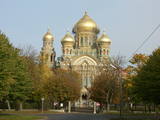 |
Die Stadt des Windes, der Bernsteine und der Musiker. In den schriftlichen Quellen ist Liepāja zum ersten Mal im Jahr 1253 erwähnt worden. Die Stadt blühte als ein Handelshafen schon am Ende des 16. Jhs. auf. Sehr bedeutend für die Stadt war die Regierungszeit der kurländischen Herzoge Jacob und Friedrich Kasimir, als durch den Hafen von Liepāja der Export- und Importhandel mit litauischen und kurländischen Waren gewährleistet wurde. An der Stelle, wo der Fluss Līva mit Dünensand zugeschüttet worden war, wurde ein Kanal ausgegraben und eine Anlegestelle für Schiffe gebaut. Das Wachstum der Stadt setzte sich im 18. Jh. auch nach dem Nordischen Krieg und der Pestzeit fort. Als im Jahr 1795 Kurland in das Russische Reich eingegliedert wurde, hat sich der Hafen von Liepāja als einer der bedeutendsten westlichen Häfen des Reiches noch schneller entwickelt. Am Ende des 18. Jhs. bis zum 19. Jh. wurde Liepāja gleichzeitig auch zu einem beliebten Erholungsort der St. Petersburger Aristokraten. Am Ende des 19. Jh. wurde mit dem Bau des Kriegshafens und der Festung begonnen. Die Stadt wurde zu einem militärstrategischen Ort. Die Stadt hat wesentlich im Zweiten Weltkrieg gelitten. Im Jahr 1967 beendete der Seehandelshafen von Liepāja seine Tätigkeit und die Stadt Liepāja wurde zu einer geschlossenen Stadt, wo der Kriegshafen als eine ‘Stadt in der Stadt‘ war. Heute ist der Kriegshafen und das dort geschaffene Angebot eine der Top-Sehenswürdigkeiten in der lettischen Tourismusbranche. |
|
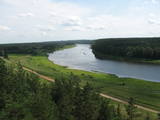 |
Dieser Park ist einer der reichsten und ungewöhnlichsten Naturparks in Lettland in Bezug auf seine natürlichen Ressourcen, die umgebende Natur, die Landschaften, die biologische Vielfalt des Gebiets und seiner Kulturdenkmäler, die man hier findet. Der größte Schatz ist das kaum veränderte Daugava-Flusstal mit seinen acht großen Windungen auf einer Länge von vier bis acht Kilometern. Dort sind ebenfalls die Schluchten der Nebenflüsse. Einen besonders schönen Blick kann man von den Steilufern des Daugava - Flusstales werfen, besonders bei den Slutiški- und Ververi - Klippen und dem Elerne - Hügel. Es gibt mehr als 20 archäologische Denkmäler an den Ufern des Tales, uralte Burgberge in Najene, Markova, Vecračina usw., unzählige Kirchen – wie die Kirchen Juzefova, Sprukti, Borovka, Elerne, Sīķele, Kaplava und andere, die Gutshöfe Rozališki, Lielborne und andere, das einzigartige Altgläubigendorf Slutiški. Es gibt interessante Naturpfade und Fahrradrouten in diesem Gebiet. Man kann auf Pferden ausreiten und es gibt einen Aussichtsturm mit weiteren Möglichkeiten für Touristen. Die Daugava hinunter zu paddeln ist eine interessante Möglichkeit, seine Zeit zu verbringen.
|
|
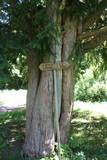 |
This is the thickest and tallest common ivy in Latvia. It is in the park of the Zentene Estate, opposite the mansion (which is now a school).
|
|


