
| Nr | Name | Beschreibung |
|---|---|---|
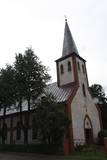 |
Atrodas pie Līvānu dzelzceļa stacijas, Dzelzceļa ielā 17. Tā kā Līvānos nebija luterāņu baznīcas, draudze dievkalpojumus noturēja ugunsdzēsēju depo. 1929. gadā ielika dievnama pamatakmeni un pēc trīs gadiem pabeidza pašas ēkas celtniecību. Saglabājušās ziņas, ka padomju laikā baznīcā bija plānots iekārtot sporta zāli un noliktavu, taču tas neticis īstenots. Jāpiemin, ka baznīca ir celta uz bijušās korķu fabrikas pamatiem. Dievnama zvana iegādei līdzekļus sarūpēja kara ministrs – ģenerālis Jānis Balodis u.c. |
|
 |
In the house that was renovated due to the initiative of the Craftsmen society of Beverina, it is possible to buy the products of both the district craftsmen and those from further territories, to visit creative workshops and events in order to learn the techniques of differnt handicrafts. The house is both a teaching centre and a marketplace, as well as the centre to popularise the cultural, folk and Latvian lifestyle of the Beverina district. |
|
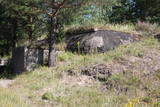 |
Ungefähr eineinhalb Kilometer östlich von Lūžņa an der Einmündung des Flusses Lūža in baltischen See ist noch eine Küstenbatterie auggestellt. Dortselbst sind auch die Überreste der Militärgebäude der sowjetischen Armee erhalten geblieben.
|
|
 |
Ein gemütliches Restaurant, dessen Köche vom örtlichen Pflanzen- und Tierreich inspiriert werden und die zu jeder Jahreszeit in Vergessenheit geratene Geschmäcker anbieten. Hoch geschätzt werden die Produkte sowohl der örtlichen als auch der weltbesten Meister. Die wundervolle Verbindung von verschiedenen saisonalen Geschmäcken und Wein macht Umb Roht zu einem Restaurant, das verschiedene geschmackvolle Genüsse anbietet. |
|
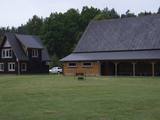 |
Just 20km from Valmiera down the river Gauja in Gauja National park theritory we own fabilous place for lovers of leisurely holidays with good active tourism possibilities. Main building with kitchen, shower, WC and higher standard accomodation possibilities. Big shelter with lodges next to it. Big area with fireplace. Sleeping facilities in 2 nd floor and some extra sleeping facilities and big shelter in separate building. There are You can find marked bicycle trail Valmiera-Cēsis next to the CAMP CAUNĪTES. Guests can use canoes for fishing or short tours along the river Gauja. |
|
 |
The workshop is in a farm, and the weaver produces blankets, carpeting, floor pathways, tablecloths, pillows, woven baskets, trays and souvenirs, as well as folk costumes on commission. She will be happy to show you her weaving and wicker-work skills. |
|
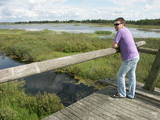 |
The tower is at the western end of the Seda swamp, accessed from the side of Jērcēni. Transport is limited here. The tower is in the area of the swamp where peat moss is extracted. It offers a broad view of the ponds of Seda and a boat rental facility that is nearby. It is an appropriate location for bird-watching during the season of migration. There is another bird-watching platform near the town of Seda. This is part of the ZBR. |
|
 5 Tagen
|
Historians say that Liv tribes began to settle the territory that is now Latvia in the 10th century. They lived in Northern Kurzeme, at the mouths of the Daugava and Gauja Rivers, and from Ģipka to Oviši, where seaside fishing villages of Liv origin can still be found. Coastal residents have always eaten various sea, river and lake fish dishes, including smoked sole, Baltic herring, cod, bream or eelpout, baked lampreys, salted sprats, Baltic herring and common herring. Fresh and lightly salted Baltic salmon is a delicacy. Whole fish are baked on hot coals, including pike perch, trout, carp, catfish and European perch. Guests can participate in catching and smoking fish and tastings with bits of everything is available on degustations. Rye can be tasted in rye bread and sourdough bread, carrot buns and even pancakes and gingerbread. Barley buns are common in Vidzeme, as are tasty meat and fowl dishes. There will always be a pig's snout with peas or an oven-roasted piglet on New Year's Eve. Taverns serve wild game with lingonberries, mushrooms and other wild tastes. Side dishes include autumn vegetables, pumpkin, beans or grits, as well as sinfully tasty sauces. Enjoy traditional pies, sheet cakes, pretzels, apple cakes and honey bakes during celebrations or every day. You will enjoy desserts made of rye breadcrumbs, cranberries, lingonberries and sweet cream. Popular in Kurzeme are blackberry dumplings, and during summers, there are lots of desserts with fresh berries. Boost your health with aromatic herbal teas and honey, or enjoy some homemade wine or beer. |
|
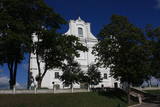 |
The first wooden Catholic church in Dagda was built in 1705, while the church that is seen today was built in the Baroque style during the latter half of the 18th century, the work financed by a local nobleman. Important interior elements include the altar, the pulpit, the organ, a monument to the Hilsen dynasty, etc. To the North of the church is historical Dagda itself, with typical red brick buildings from the early 20th century that are known as the former homes of Jewish merchants.
|
|
 |
Museum von Lapmežciems – hier kann
man die Geschichte über den Umkreis,
Schule und Entwicklung des Fischfangs
erfahren. Es gibt auch Material über die
Kämpfe der finnischen Jäger im Umkreis
von Klapkalnciems. Es werden auch
thematische Kurzausstellungen organisiert.
Nebenan steht der Gedenkstein für die
politisch Unterdrückten.
|
|
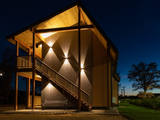 |
Bestes Apartments is a new guest house that can accommodate 45 guests at a time (+ 10 extra beds). The guest house was built and designed in the Latvian style (a wooden building made here in Mūrmuiža), beds made in Latvia, bed linen made in Latvia were used. |
|
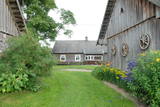 |
Dieser Hof ist ein der historischen Region Sēlija charakteristischer Hof mit seiner Planung und den typischen Gebäuden, und als solcher ist er einer der seltenen Höfe, der öffentlich zugänglich und zu besichtigen ist. Der Hof Gulbji befindet sich ziemlich weit von größeren Straßen und anderen Ortschaften. Er ist auf der sogenannten Insel Dronkusala, unweit von dem Ort zu finden, wo das Urstromtal von Dviete anfängt. Die Besitzer des Hofes haben viele alte Haushaltsgegenstände gesammelt. Die Besucher können hier die Wirtschaft und eine Sammlung von Heilkräutern besichtigen, sowie die Gerichte der Region probieren oder die Rauchsauna besuchen. Man kann sagen, dass die Besitzer des Hofes in einer Naturalwirtschaft wohnen, indem sie die Traditionen der historischen Region pflegen. Lettische Küche: Dünne Pfannkuchen, Graupensuppe, dickflüssige Kartoffelsuppe, geschmorte Bohnen in einer besonderen Soße, lettischer Grießpudding Buberts, Brotsuppe mit Schlagsahne, Torten, Kräutertees. Das besondere Gericht: Zeppeline. |
|
 |
Saimniece piedāvā sertificēta pirtnieka pakalpojums, organizē latviskos pirts rituālus, vada izglītojošas programmas par augu spēku izmantošanu savai labsajūtai. Apvienojot pirtnieka pakalpojumus un pašas ražoto produkciju, saimniece radījusi zīmolu - “Arnitas labsajūtu darbnīca”. Kā mājražotāja piedāvā pašceptu maizi, zāļu tējas un augu sīrupus, kā arī meistardarbnīcas kulinārā mantojuma jomā. |
|
 |
Mājas restorāns mājīgā, autentiskā lauku vidē, kur tiek pasniegti lauku ēdieni, uz galda celtas svaigas jūras veltes, kuras atceļojušas no Francijas, Spānijas vai Norvēģijas, kā arī vietējās, pašu saimnieku kūpinātas zivis. Ēdienkarte tiek radīta katru dienu no jauna, kas ikdienā ļauj piedāvāt svaigus produktus.
|
|
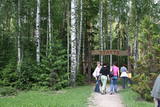 |
Dabas parkā izveidota Baltijā vienīgā Bišu taka, kurā apmeklētājs var iejusties bites ‘’lomā’’. Zinātkārie var ieģērbties bitenieka tērpā un novērot bišu dzīvi stropā vai kāpt kokā ar seno dravnieka ierīci – dzeini. Ekskursija, Bišu, Putnu, Meža, Sporta un Augu takas. |
|
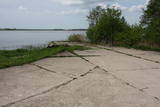 |
The hydroplane airfield is on the eastern shore of Lake Durbe, not far from Līguti. It was built between 1939 and 1941. During the Soviet era, the 43rd aviation escadrille was located here, and it had 13 MBR-2 hydroplanes. All that’s left today are the cement sheets on the shore of the lake. You can look at the site itself.
|
|
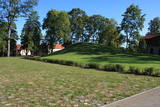 |
An dieser Stelle hatte der Deutsche Ritterorden 1242 eine Steinburg erbaut, von der bis heute nur einzelne Mauerfragmente erhalten sind und ein Kellergewölbe, in dem man nach vorheriger Anmeldung örtliche Weine probieren kann. Später befand sich hier das Schloss des Herzogs von Kurland, das im Nordischen Krieg zerstört worden war (1701). Dank eines umfangreichen Rekonstruktionsprojektes wurden im Park hölzerne Stege, kleine Brücken und Informationstafeln errichtet, eine Laube und ein Springbrunnen erbaut. Im Park wurden 22 Skulpturen und Skulpturengruppen der Bildhauerin Līvija Razevska aufgestellt. |
|
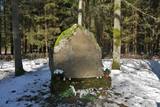 |
Er befindet sich unweit von der Landstrasse A 8, westlich des Hauses „Batari“, wo am 22.März 1919 ein Kampf der Brigade des Generals Balodis gegen die Bolschewiken stattgefunden hatte. Errichtet 1936. |
|
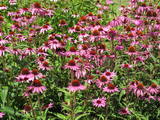 |
In der Wirtschaft erzeugt und popularisiert eine Pharmazeutin die Traditionen der Kräuterverwendung. Hier kann man Kräutertees erwerben und verkosten. Gäste können verstehen, welche Pflanzen genau für sie sind. Kenntnisse über Kräuter sind hier ausgezeichnet mit Heilverfahren und Massagen in der Sauna verbunden. |
|
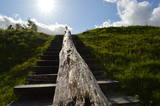 |
Eins der eindrucksvollen Burgberge auf den estnischen Inseln, das mit Steinwällen umgeben wurde. Erwähnt in der Livländischen Chronik von Heinrich von Lettland als eine am besten befestigte Siedlung auf den Inseln. |
|


