
| Nr | Name | Beschreibung |
|---|---|---|
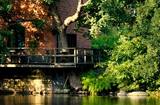 |
Svartå Manor is one of the most precious manor houses in Finland with a history of more than two hundred years. The countryside hotel consists of five different historical buildings situated in an idyllic park with a scenic river flowing nearby. Near the manor is a restaurant and a museum, where you can take a tour. |
|
 1 Tag
|
This outing combines fine dining at one of the most beautiful estates in Latvia with an outdoor experience at a cranberry plantation tasting cranberry-based products. The Bīriņi Castle complex is part of Latvia’s national architectural heritage. The Neo-Gothic main castle building is surrounded by a picturesque park and buildings including the stables and the water tower, which showcase the country’s industrial heritage. The castle hotel is a very popular venue for wedding celebrations. The cranberry plantation in Laugas swamp at Gundegas Farm was started in 1989 as a research farm. Cranberries are well known for their refreshing taste and medicinal qualities. They are used both for culinary purposes and in traditional medicine. Today six types of cranberries are grown in Latvia. The cranberry plantation offers the opportunity for guests to ‘pick-your-own’ during the harvest in September. |
|
 |
Die Wirte haben den Brotofen der vierten Generation restauriert, um die Tradition des Brotbackens fortzusetzen. Die Familie backt das Brot in den Herbst– und Wintermonaten, von September bis April. In den vom Küstenfreilichtmuseum Ventspils organisierten Veranstaltungen wird angeboten, traditionelle lettische Gerichte zu verkosten, die dem Rhythmus der Jahreszeiten entsprechen. |
|
 |
Находится в Пастари, примерно на расстоянии 2,5 км от дороги Прейли - Виляны, в самом высоком месте с красивейшим пейзажем на Латгальскую возвышенность. Ветряная мельница голландского типа (с вращающимся механизмом крыльев) построена в 1902 году. В 2012 году были восстановлены крылья ветряной мельницы. По предварительной договоренности мельницу можно осмотреть изнутри. |
|
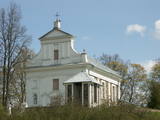 |
Construction of the church began in 1830 thanks to money donated by nobleman Ludvigs Šabanskis. The Baroque stone church is surrounded by a restored stone fence, and inside there are icons including "Heart of Jesus," "Christ's Suffering," and "St Joseph." The church is not open to the public on a daily basis. |
|
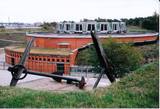 |
Schon seit der früheren Zeiten – ein Platz von der militärischen und strategischen Bedeutung. Für den Schutz des Hafens von Klaipeda wurde 1866 von preussischer Militär den Bau einer Festung angefangen. Im Laufe des 2.Weltkriegs wurde die Festung in die Luft gesprängt. Die Renovierung begann 1979. |
|
 |
Pļaviņās, pie Daugavas ielas, Daugavas krastā uz laukakmeņiem novietots plosta modelis ar stendu (2011. gads, biedrība „Kopsolis”), kur izlasāms stāsts ar plostnieka atmiņām un aplūkojamas vēsturiskās plostnieku fotogrāfijas. Daugavas posms starp Pļaviņām un Koknesi bija visgrūtāk pārvaramais plostnieku šķērslis ar krācēm un līdz 20 m augstiem, klinšainiem upes krastiem. |
|
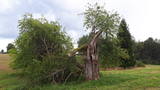 |
This is the thickest European wild apple tree in Latvia. It is just lovely when it is blossoming.
|
|
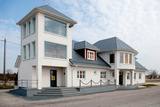 |
Im Seezentrum im Hafen Sõru gibt es unterschiedliche Boote und Schiffe zum bewundern und werden kleinere Holzboote restauriert. Im Hafen liegt das dreimastige Segelboot "Alar" und wartet auf seine Restaurierung. Im Museumsgebäude gibt es eine ständige Ausstellung über die lokale Seekultur und es werden unterschiedliche Workshops über Strandkultur durchgeführt. |
|
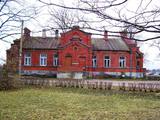 |
Adamovas Manor (ancient name –Adamhof, Odumova) is the cultural monument of the state importance.
It has two well preserved buildings of the 19th century. The Manor was built in 1851. Landlords
Korfs, Žemčužņikova and Karaulovs were the owners of the manor. There was discovered a mineral spring
in 1905. It was named in the honour of St. Helena. Mineral water gained the highest awards in London in
1912 and in 1913 in Paris. Currently, there is no mineral spring anymore. However, there is Adamova sanatorium
boarding-school for children with psychoneurological illnesses. A modern sports complex was built
in 2006 for organizing national sports competitions. We offer sauna, conference rooms, boat rental, and accommodation
for 120 people.
|
|
 |
Der Familienbetrieb befindet sich in der Nähe von Valmiera mit großen Feldern, Ackern und 400 Kühen. Herstellung von Sahne, Quark, Joghurt, Käse, Eiscreme und anderen Produkten aus eigener Kuhmilch. |
|
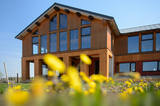 |
Das Ferienhaus Ugaraja Kotkapesa ist ein gemütlicher Ort, an dem die Gastgeber ihren Gästen hausgemachte Gerichte nach ihrer Auswahl von den in der Gegend angebauten Produkten anbieten. Im Ferienhaus gibt es einen großen Saal und eine Sauna, und die Gegend ist für interessante Wanderungen geeignet. |
|
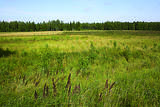 |
Die Seewiesen von Dūmele – ein mit Sagen und Erzählungen umgewandter
Platz über den ehemaligen Vīdala See (Dieviņa ezers- Gottessee), dessen Wasser
1838 ins Meer gelassen wurde. Interessant ist, dass nach dem Ablass am Seeboden
alte Baumstuempfe und Schiffsreste gefunden wurden.
|
|
 |
The craftsman typically produces objects that are of use on an everyday basis. They have laconic forms and reticent decorations. You can take a tour of the workshop and kiln, watch demonstrations, and work with the clay yourself. You can purchase finished products, look at the beekeeping operation, and taste and purchase honey. |
|
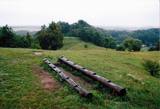 |
In the central part of the Žemaitija Highland, this park was established to protect local landscapes. Lithuania’s highest hillocks are found here – Mėdvegalis (235 m above sea level) and Šatrija (229 m). There are also other hillocks which offer a great view of the area – make up your own tour here.
|
|
 |
Piemājas saimniecība nodarbojas ar augļkopību un biškopību! |
|
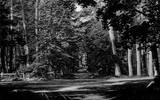 |
Construction of the Neibāde resort in 1823, started up hospitality traditions. The park, designed in an English style, was created by the gardener Akerbergs, who was brought from Estonia by Baron August von Pistohlkors. In the 1920s – 1930s the Pēterupe – Neibāde Seashore Aid and Improvement Society looked after the restoration and care of the monument and the park of the resort that was ruined during the war, the appearance of Saulkrasti, the organisation of different events and foundation of the theatre and the choir, led by Olga Cīrule. Saulkrasti open-air stage has always been a place for festivities. 16 July 1933 is a date that deserves special attention as it was on this date that the open-air stage became the place where Neibāde and Pēterupe were renamed Saulkrasti. The open-air stage was repeatedly rebuilt and improved. Both during the Soviet era, as well as later, this was a meeting place for locals on joyful moments, on moments of change and remembrance. The stage was the place of origin of the Popular Front of Latvia (Latvijas Tautas fronte) Saulkrasti branch. Now the stage is a meeting place and holds different events on summer weekends. Each year Saulkrasti town festival concert takes place on this open-air stage. |
|
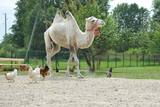 |
A park of exotic animals in Dundaga features alpacas, llamas, ostriches, a camel, a blue cow, etc. |
|
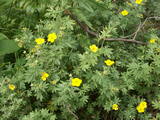 |
Der Sumpf, in den Schwefelwasser fließt, befindet sich auf der linken Seite des Abava – Flusstals. Das ist der einzige Ort in Lettland, wo das geschützte Fingerkraut in der Wildnis gefunden wird. Dieser Busch bedeckt etwa 1/5 des geschützten Territoriums. Hier sind Wälder, verschiedene Wiesenarten und Schwefelflüsse, darunter auch jener, der Teufelsauge genannt wird.
|
|
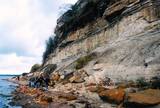 |
Bis zu 30 m hohe Kalk- und Sandsteinfelsen an der Küste des Finnischen Meerbusens. Ein Aussichtsplatz. |
|


