
| Nr | Name | Beschreibung |
|---|---|---|
 |
The breeding of Californian red snails and production of bio-humus. You are offered a short excursion around the production, information about breeding snails and the production of bio-humus. |
|
 11 Tagen
|
Diese Tour des Wald-Wanderweges umfasst die Nationalparks Dzūkija und Žemaitija sowie den (lit. Nemuno kilpų regioninis parkas) in Litauen. Der Startpunkt der Route ist Druskininkai, ein beliebtes SPA- und Mineralwasserresort am Ufer der Memel (lit. Nemunas). Hier empfehlen wir Ihnen, sich in Mineralwasserbäder zu tauchen, die Fahrt mit der Seilbahn über den Fluss Nemunas zu genießen, den Musikbrunnen zu besuchen und die Uferpromenade entlang zu spazieren. Für die nächsten zwei Tage von Druskininkai führt der Wald Wanderweg durch den Nationalpark Dzūkija bis hin zur Stadt Merkinė. In dieser waldreichen und menschenleeren Region Litauens können Sie auf einsamen Waldwegen wandern, alte Burghügel und ethnographische Dörfer besuchen, in denen die Traditionen der Bienenzucht, des Handwerks, der Pilze- und Beerenernte noch immer lebendig gehalten werden. Danach läuft es weiter nach Birštonas, einem der Mineralkurorte Litauens. Die Stadt befindet sich im Memelschleifenregionalpark, der vier große und eine kleinere Flussschleife umfasst. Von Birštonas bis zur Prienai, verläuft der Wald-Wanderweg durch den gesamten Memelschleifenregionalpark. Danach kommen die Wanderer in Kaunas am, der zweitgrößten Stadt und der ehemaligen Hauptstadt Litauens. Kaunas zeichnet sich durch seine modernistische Architektur aus. Hier liegt das Einzugsgebiet des Flusses Nemunas und des Flusses Neris. Weiter, von Lampėdžiai nach Vilkija, verläuft der Wald-Wanderweg zwei Tage lang auf kleine Pfade und ländliche Schotterstraßen am rechten Ufer des Flusses Nemunas und führt durch den Urlaubsort von Kulautuva. Dieser Abschnitt führt Sie durch kleine Dörfer und ist von wunderschönen Flusslandschaften und Ansichten auf Uferwiesen geprägt. Für die Abschlussetappe müssen Sie zuerst zum Nationalpark Žemaitija gelangen, wo der Wald-Wanderweg um den Plateliai-See verläuft, der der größte See in der historischen Region Žemaitija ist. Alte Kiefern- und Tannenwälder und Mischwälder gehören zu den wesentlichsten Naturwerten des Nationalparks. Ein Transfer bringt Sie nach Plungė und von dort aus fahren Sie mit einem Zug nach Vilnius oder Kaunas. |
|
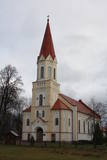 |
Храм неоднократно горел и строился снова. Теперешняя церковь построена в 1874 году, а после пожара 1927 года была восстановлена в 1932 году. Можно осмотреть алтарную икону«Иисус со святым причастием», две картины И. Зебериньша «Иисус у креста» и «Иисус благословляет детей» (1957 г.). Проспект органа является первым, построенным в «латышском» вкусе органом (резчик по дереву П. Планкус, 1936 г.), а сам инструмент номинирован как самая красивая и самая объемная работа лиепайского мастера Екаба Яугиеша. Трубы органа сделаны из дерева, что является редким случаем. Церковь можно осмотреть изнутри. |
|
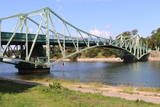 |
The bridge was built in 1906. Part of it was blown up during World War I and later restored. During the Soviet occupation, one needed special permits to cross the bridge. Military ships and other vessels used the canal, because one of the largest military bases in the USSR was sited here. In the summer of 2006, one month before the bridge’s centenary, a Georgian-flagged tanker, the Anna, rammed into the northern support structure of the bridge, and that destroyed the bridge’s turning part beyond recognition. The bridge was renovated and reopened in 2009. You can look at the bridge and cross it at any time.This is a unique engineering monument, and it is the only drawbridge of its kind in the Baltic States. It takes just five minutes to turn the two parts of the bridge.
|
|
 |
Der Park befindet sich im zentralen Teil des Gutes, im Zufahrtsbereich zum Herrenhaus. Der Park wurde unter Ausnutzung des Tales der Virvytė und des umgebenden Reliefs angelegt. Die Teiche des Parks sind aus Altarmen des Flusses angelegt. Im zentralen Teil dominiert eine regelmäßige Struktur, während der Rest den Charakter eines Landschaftsparks hat. Im Parterre vor dem Herrenhaus befindet sich eine Skulptur im antiken Stil, und am westlichen Ende ein hölzerner Söller. Im Park dominieren einheimische Baumarten. An auswärtigen Gewächsen findet man Europäische Lärche, Feldahorn, Thuja. Auffällig ist eine Gruppe von Eichen am Flussufer und eine Winterlindenallee, die in Richtung des Herrenhauses bis zu Teich führt. |
|
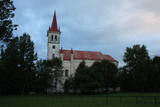 |
Meklējama Nīcgalē, starp Rīgas – Daugavpils šoseju (A 6) un Daugavas krastu. Baznīcu cēla (neogotikas stils) pēc muižnieka Henriha Plātera - Zīberga iniciatīvas 1862. - 1863. g., veltot to Jaunavas Marijas dzimšanai. Kā jau daudzas citas baznīcas, arī šī ēka un tās interjera priekšmeti cieta 1. pasaules kara laika notikumos. To atjaunoja 1922. gadā. Baznīcas iekārta ir saglabājusies no 19. gs. 60. gadiem, bet, centrālā altāra augšdaļu pārbūvēja 1957. gadā. Dažus gadus vēlāk - 1961. g. uzstādīja ērģeles. |
|
 |
Vom elterlichen Haus des hervorragenden lettischen Publizisten, Pädagogen und Sprachwissenschaftler Atis Kronvalds (1837 – 1875) „Lejas Miķi” im Bezirk Priekule in Krote ist nichts bis heutzutage geblieben. An der Stelle des Hauses befindet sich eine Gedenkplatte mit Inschrift: „Für jeden ist jener Platz heilig, wo geboren und aufgewachsen ist” (A. Kronvalds). |
|
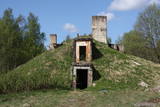 |
Heutzutage ist die ehemalige Meldegängerabteilung der UdSSR in Wälder von Bārta ein Privateigentum und das Objekt wird abgebaut.
|
|
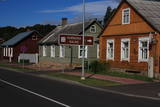 |
The central part of the town of Krāslava is an historical monument because its low-story and beautiful wooden buildings. The best views of the historical centre relate to the carp park near the Adamova trail, the Karņicskis hill, the bridge across the Daugava (Prospekta Street), and the Priedaine viewing tower on the left bank of the Daugava River. |
|
 1 Tag
|
Dodieties ekskursijā, lai gūtu ieskatu lauku profesijā un dzīvesveidā, kā arī iegūtu jaunus iespaidus un labu atpūtu visai klasei. Ekskursijas laikā apskatiet līdz 16 m augsto stāvkrastu ar gana iespaidīgiem skatiem. Pēc tam apmeklējiet lauku maizes ceptuvi, kur iespējams izveidot un izcept pašiem savu kukulīti. Ekskursijas noslēgumā dodieties uz pili, kas pazīstama ar stāstiem par spokiem, par rūķīšu kāzām un citiem nostāstiem. Pils parkā apskatāma Mīlestības aleja un Rūķīšu ozola vieta. |
|
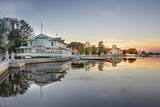 |
Haapsalu was once loved by aristocrats who stayed here during summers, nowadays this town is very appealing to its visitors because of its essence - tiny streets, old wooden buildings and promenade. Worth mentioning are also town's SPAs which were one of the reasons why Haapsalu was so popular its earlier years. Interesting enough, the famous composer Tchaikovsky considered this place one of his favorite's for spending the holidays. |
|
 |
Construction of the Neibāde resort in 1823, started up hospitality traditions. The park, designed in an English style, was created by the gardener Akerbergs, who was brought from Estonia by Baron August von Pistohlkors. In the 1920s – 1930s the Pēterupe – Neibāde Seashore Aid and Improvement Society looked after the restoration and care of the monument and the park of the resort that was ruined during the war, the appearance of Saulkrasti, the organisation of different events and foundation of the theatre and the choir, led by Olga Cīrule. Saulkrasti open-air stage has always been a place for festivities. 16 July 1933 is a date that deserves special attention as it was on this date that the open-air stage became the place where Neibāde and Pēterupe were renamed Saulkrasti. The open-air stage was repeatedly rebuilt and improved. Both during the Soviet era, as well as later, this was a meeting place for locals on joyful moments, on moments of change and remembrance. The stage was the place of origin of the Popular Front of Latvia (Latvijas Tautas fronte) Saulkrasti branch. Now the stage is a meeting place and holds different events on summer weekends. Each year Saulkrasti town festival concert takes place on this open-air stage. |
|
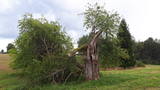 |
This is the thickest European wild apple tree in Latvia. It is just lovely when it is blossoming.
|
|
|
|
Kaļķis – ein bewohnter Ort, wo immer noch
in offenen Steinbrüchen („Kalnciems2“)
Dolomit gewonnen wird. Ein Teil von den
Steinbrüchen ist überflutet.
|
|
 | ||
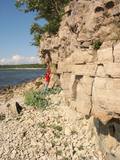 |
Nacionālā parka dienvidrietumdaļā jūrā iestiepjas Eldas pussala – skaists un ļoti omaļš ar kadiķu mežu (alvāriem) noaudzis zemes pleķītis ar interesantu jūras krastu, kur atsedzas silūra perioda nogulumieži. No pussalas gala, kurā slejas vecs Padomju armijas robežsargu tornis (apmeklējumam bīstams!), paveras visaptverošs skats uz Vilsandi salu (atpazīstama pēc bākas), Lonalaidas salu (Loonalaid) – otru lielāko Vilsandi arhipelāgā, Salavu (Salava) un citām mazākām saliņām. Dabas mīļotāji var uzmeklēt Eldas klinti (Elda pank) – ~ 2 m augstu un 0,4 km garu atsegumu, kura piekājē var atrast interesantas ūdens izskalotas fosilijas. |
|
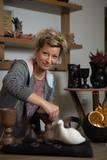 |
This is one of the few craftswomen in Latvia who does not use a potter’s wheel in her work. Instead she works in the “snail” or “sausage” technique that was typical of the Bronze Age. Her artworks are distinguished by a diversity of form and functionality. Children can attend master’s classes. You can take tours, take part in the opening of the kiln, and purchase fumigated ceramics products. |
|
 14 Tagen
|
A panoramic tour of Lithuania and Latvia with highlights of nature experiences in the National parks and nature reserves. A variety of landscapes, nature attraction sites, birds and wild animals, forests and seashore. The tour also offers some cultural and historical insights. Baltic States are lucky to have plenty of untouched natural territories. During the Cambrian, Silurian and Devonian eras, the territory of the current Baltic States was often covered by seawater, which is why there are places where lots of geological evidence can be found about these periods in history. These are manifested not just in fossils and various geological objects, but also in the unique landscape. For example, The Gauja River basin is an outstanding locations for Devonian cliffs and caves. Other interesting elements of the terrain relate to the development of the Baltic Sea in the past – the Baltic Ice Sea and the Littorine Sea. That is well presented at he landscape of hillocks and valleys in the Slītere National Park. Many forests and bogs have remained virtually untouched as biotopes here. The Ķemeri, Slītere national parks were all established to protect wetlands. Rivers in the Baltic States have not been straightened and dense areas of buildings are not common. There are two “lands of lakes” in the Baltic States – Latgale and Augštaitija. The Baltic States are at the crossroads of the living areas of many different plants and animals, and that is why “northern,” “southern,” “western” and “eastern” species can all be found here. Some national parks have been established to protect distinctive local cultural heritage. |
|
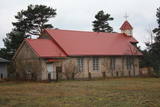 |
Atrodas ciema ziemeļdaļā. Neliela vienstāvu ēka ar svaigi nomainītu jumtu. Pēc vieniem avotiem celta 1883. gadā, citiem – pamatakmens ielikts 1933. g. 1. maijā. Tā tapusi pēc vietējo iedzīvotāju ziedojumiem uz Pirču māju zemes (saimnieks zemi atdevis dievnama celtniecībai). Baznīcas iekārta 2. pasaules kara laikā gāja bojā, tādēļ mūsdienās redzamā ir tapusi 20. gs. otrajā pusē. |
|
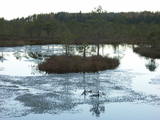 |
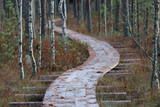
Das Naturreservat ist eine der größten Moorflächen des Baltikums. Es wurde in das Verzeichnis bedeutender Feuchtgebiete gemäß der Ramsar Konvention aufgenommen. Im Moor von Teiči wurde der etwa 3 km langer Lehrpfad Sildi angelegt, der nur in Begleitung von Reservatsführern nach Anmeldung besucht werden darf. Es können verschiedene Moortypen (über Stege), Moorseen (Sildi und Isliena), Wasserlöcher und Kleingewässer und moortypische Arten sowie die Moorinsel besichtigt werden. Vom Aussichtsturm in Siksala kann man den größten Teil des Moores überblicken. The trail can be visited only with the Nature Conservation Agency employee's escort from June 1 until October 31. |
|


