Места для наблюдения за животными, птицами и растениями
Naturgebiete mit angelegten Naturbeobachtungsgebieten.
| Обзор | Подробности |
|---|---|
 |
Латвия
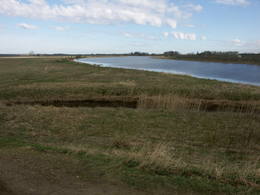
Svetes palieneOne of the most important locations for migrating water birds in terms of rest and feeding in Latvia is the Svēte flood-land, which overflows in the spring time, along with the Svēte polder. It has been calculated that when circumstances are good, tens of thousands of birds can be seen in the area – swans, geese, corn-crakes, pintails, predatory birds, plover-type birds, etc. |
 |
Латвия
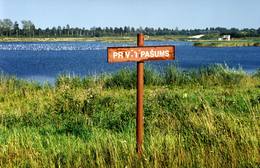
Satinu dikiA restricted area with a set of artificial ponds to the South-west of Saldus. The ponds attract many different kinds of birds during nesting and migration season. The location has not been improved for tourist purposes, but it is still an interesting place for some bird-watching. The forests around the ponds are also home to many protected birds and species of bat. |
 |
Латвия
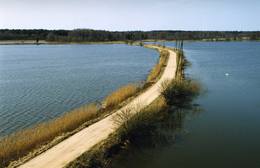
The Skrunda PondsThis territory is to the North of Skrunda, and it is an important location for water birds during their migration. Northern swans nest in the ponds, and sea eagles and other birds such as falcons and plovers use them for feeding. This is a good place for bird-watching, although it has not been particularly structured for that purpose. |
 |
Lettland
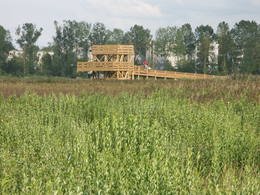
ДаугавгриваDas ist eines der am interessantesten geschützten Territorien der Stadt Riga und sein Ziel besteht im Schutz der Küstenbiotope – Dünen und Küstenwiesen und die Vögel und Pflanzen, die hier gefunden werden (unter ihnen 29% der Orchideenarten). Es gibt einen markierten Informationspfad mit einem Vogelbeobachtungsturm. Es ist der einzige Aussichtsturm in Lettland im Freien, der für Rollstuhlfahrer geeignet ist.
|
 |
Lettland
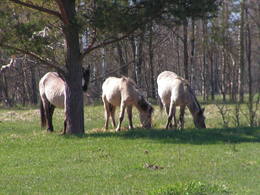
Wilde Pferde in PapeFür den Zweck der Bewirtschaftung der Niederungsauen des Pape-Sees und der Vermehrung der biologischen Vielfalt sind hier Konik-Wildpferde angesiedelt wurden. Die kann man mit einem örtlichen Guide kennenlernen.  260 260
Leistungen
260km - Entfernung von der Hauptstadt |
 |
Lettland
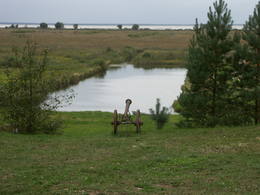
Idenu un Kvapanu dikiMit den Teichen von Nagļu sind das Lettlands größte Fischteiche. Sie wurden 1970 in den Auenwiesen des Sees Lubāns eingerichtet, als zuerst das Wasserkraftwerksystem des Sees geschaffen wurde. Die Straße Lubāna-Gaigalava teilt die Kvāpāni-Īdeņa-Teiche. Es gibt auf den Teichdämmen drei Vogelbeobachtungstürme. Diese Teiche sind ein wichtigster Nistraum für Wasservögel sowie Rastplätze während des Vogelzugs. Hier gibt es viele Vogelbeobachtungsmöglichkeiten.
Leistungen
230km - Entfernung von der HauptstadtLeistungen - erholung
RadrouteCauri teritorijai iet velomaršruts "Lielais Lubāns" (nemarķēts, ap 50 km). 
NaturbeobachtungPutu vērošana no dambjiem un putnu vērošanas torņiem. Tā kā daļa no dīķiem atrodas privātā īpašumā, attiecīgajās vietās teritorijas apmeklējumu jāsaskaņo ar īpašniekiem vai teritorijas apsaimniekotājiem! Ievērojiet putnu vērošanas ētikas kodeksu!
|