Biotop
Bereiche, die für den Wert der biologischen Vielfalt von Bedeutung sind und zum Schutz bestimmter Lebensräume bestimmt sind.
| Überblick | Details |
|---|---|
 |
Lettland
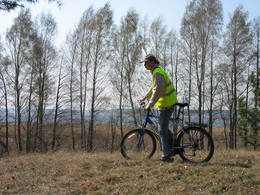
Busnieku ezera krastsDort befindet sich ein kleines Gebiet auf der Westseite des Sees Būšnieks, das eingerichtet wurde, um den Sumpfbiotop und die seltenen Pflanzen zu schützen. Gut ausgestattete Erholungseinrichtungen befinden sich am gegenüberliegenden Ufer des Sees.
|
 |
Lettland
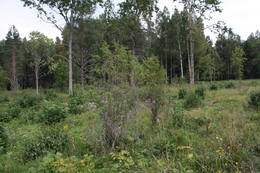
JaunciemsDieses Schutzgebiet befindet sich an der Ostküste des Ķīšezers – Sees. Hier sind die Habitats von größter Bedeutung – Auen und andere Wiesen, Dünen, das Aquatorium des Ķīšezers – Sees, die Küste, Eichenwälder, Schwarzerlen und andere Bäume und viele riesige Eichenbäume kann man im Schutzgebiet und jenseits seiner Grenze finden. Der Burgberg von Bulduri, der der wichtigste alte Burgberg im Rigaer Gebiet ist, befindet sich am südlichen Ende der Lieupsala – Insel. An der Grenze des Schutzgebietes befindet sich eine Zweigstelle des Lettischen Ethnographischen Freilichtmuseums, die unter “Vārnas” bekannt ist.
|
 |
Lettland
Kadiku noraOne of few places in Latvia (around 1 km to the North from Lapmezciems) where used to be beautiful juniper meadows. Since no agriculture activity (grass cutting, cattle grazing) has been implemented in the area, juniper meadows are overgrowing and disappearing. To save the area sustainable management is needed. Slitere National Park with Blue Mountain cliff and Slitere lighthouse is located in short distance from Kadiku nora (Juniper meadow).

 160 160
Leistungen
160km - Entfernung von der Hauptstadt |
 |
Lettland
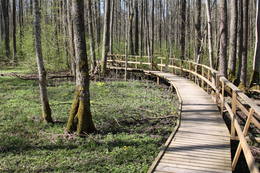
The Versupite bogThe excessively damp forests at this place include the Vēršupīte River bog, and this is one of the most diverse biotopes in Latvia in terms of the number of species that can be found here. The fact that the area is regularly flooded is shown by the fat roots of black alders – indeed, the place looks like a stand of mangroves. The wooden pathway that is the Dumbrāju trail starts at the Forest House for those who wish to examine the bog. The most impressive views are seen during spring floods or rainy seasons at other times of the year. The little river breaks out of its bed and floods a large territory. The Lake Sloka hiking trail is another place where you can study the Vēršupīte bog. The circular trail is 3 km long, and its beginning is at the Lake Sloka bird watching tower. 43
Leistungen
43km - Entfernung von der Hauptstadt |
 |
Lettland
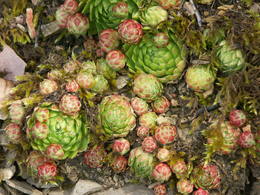
Verenes gobu un viksnu audzeDas Gebiet wurde eingerichtet, um diesen Teil des Ogre – Flusstales zu schützen, das ein Flussbett aus der Eiszeit hat und Wiesen mit entsprechenden Biotopen und Populationen. Unter anderem die Bergulme und die Flatter - Ulme, die nicht oft in Lettland zu finden ist.
|
 |
Lettland
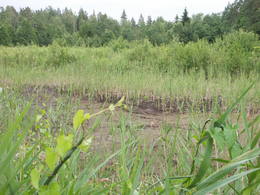
Daugava pie KaibalasDas ist eine kurze Strecke im Daugava – Flusstal zwischen Lielvārde und Dzelme mit Inseln und Untiefen im Fluss, sowie mit Schilf und Feuchtwiesen längsseits. Während des Vogelzuges rasten und fressen hier viele Gänse- und Regenpfeifervogelarten. Das Gebiet ist auch ein wichtiger Nistplatz für viele andere Vogelarten.
|
 |
Lettland
Die SchlammregenarationsteicheDie Schlammregenarationsteiche – ein Ort,
wo der verbrauchte Schlamm vom Kurort und
Rehabilitationszentrum „Jaunķemeri“ deponiert
wird.
47
Leistungen
47km - Entfernung von der Hauptstadt |
 |
Lettland
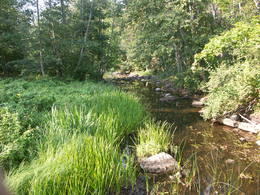
Vitrupes ielejaEin ausgeprägtes Gebiet des unteren Flusslaufes der Vitrupe mit kleinen Sandsteinfelsen und vielen seltenen Arten von Pflanzen und Mollusken. Besucher können das Ķirbiži – Waldmuseum besuchen mit Informations- und botanischen Pfad. Dieser schlängelt sich an beiden Flussufern entlang und erlaubt den Besuchern, die typischsten Vertreter der Pflanzenwelt der Region zu betrachten. Die prächtige Vāloži – Eiche stellt bildet hier den Schwerpunkt.
|
 |
Lettland
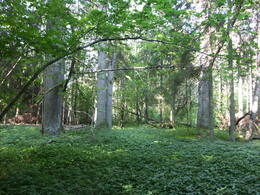
Ukru garsaDer Ukri – Wald an der Grenze des Dobele – Gebietes ist als riesiger Wald bekannt. Es gibt Eichen (es sind viele riesige darunter), Linden, Eschen (große Bestände an Eschen sind in Lettland ungewöhnlich) und andere Laubbäume. Ein kleiner Teil des Waldes kann in Begleitung eines Führers durchquert werden, der die Tiere des Gebietes und ihre Bedeutung für die Natur erklärt. Das Schutzgebiet schützt die Waldbiotope, Pflanzen und Tiere, einschließlich vieler Arten, die für den Süden Lettlands typisch sind.
|
 |
Lettland
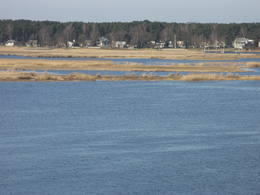
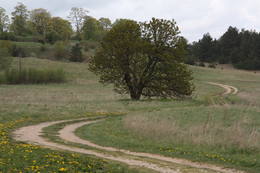
Lielupes grivas plavasDas Territorium schützt die Küstenwiesen der Lielupe – Flussmündung, die einen sehr seltenen Habitat in Lettland darstellen. Das Schutzgebiet ist am linken Ufer des Flusses, wo eines der größten Gebiete mit wildem Engelwurz zu finden ist. Das ist ein wichtiges Nistgebiet für Vögel. Das Territorium wurde nicht für den Tourismus aufbereitet. Man kann es von der Baltā kāpas (Weiße Düne) aus sehen, die sich am gegenüberliegenden Ufer der Lielupe befindet. Von dort aus kann der Besucher die reizvolle Landschaft sehen, die von der Flussmündung und den sie umgebenden Wiesen gebildet wird.
|
 |
Lettland
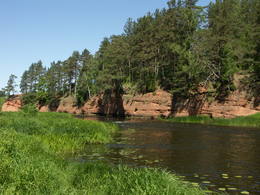
Sventajas upes ielejaEin geschütztes Territorium mit einer Reihe von künstlichen Teichen im Südwesten von Saldus. Die Teiche ziehen viele verschiedene Vogelarten während der Nist- und Vogelzugzeit an. Der Ort wurde nicht für touristische Zwecke aufbereitet, trotzdem ist es ein interessanter Ort zur Vogelbeobachtung. In den Wäldern um die Teiche sind auch viele geschützte Vögel und Fledermausarten beheimatet.
|
 |
Lettland
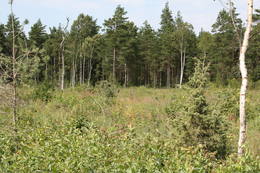
Salacas ielejaDieser Park ist ein Gebiet, das vom Menschen kaum verändert wurde – Sandsteinklippen, verschiedene Höhlen, Biotope, Arten und Landschaften sind der attraktive Aspekt dieses Gebietes. Der Salaca-Fluss ist einer der wichtigsten Flüsse in der Ostseeregion als Laichgebiet für den Lachs, und es ist der zweitwichtigste Fluss für Wassertourismus in der lettischen Region von Vidzeme. Hier gibt es geologische Denkmäler, die für Besucher besonders attraktiv sind – Die Roten Klippen, der Skaņais-Berg, die Neļķu-Klippe, die Velna-(Teufels) Höhle usw. Hier sind auch solche Kulturdenkmäler wie der Livische Burgberg, der Vecsalaca - Gutshof, das Livische Museum, das Vantenberģi - Anwesen, die einzigartigen Neunaugen - Stauwehre usw. Im Park befindet sich auch eins der beliebtesten touristischen Ziele in Nordvidzeme – der Skaņākalna-Park, der ein dichtes Netz von Wanderpfaden hat. Der Salaca ist auch beliebt bei Fischern. Dies ist Teil des Nordvidzemer Biosphärenreservats.
Leistungen
100km - Entfernung von der HauptstadtLeistungen - komfort
ZeltplatzSalacas krastos ir izveidots samērā blīvs pašvaldību un privātpersonu veidots ūdenstūrisma apmetņu tīkls. Tiesa, apmetņu labiekārtojums ir ļoti atšķirīgs.
Leistungen - erholung
AngelnSalaca - populārs makšķernieku galamērķis. Makšķerēšana - saskaņā ar pastāvošo kārtību!

LanglaufKatru gadu Mazsalacas apkārtnē vietējie entuziasti veido distanču slēpošanas trasi.

Fahrten mit Schiff/BootPopulārākie ūdenstūrisma maršruti no Mazsalacas un Staiceles līdz Vecsalacai.

RadrouteTeritorijā ietilpst neliela daļa no "Ainaži - Sarkanās klintis" velotūrisma maršruta (10 km).

NaturpfadSkaņākalna parkā izveidots ļoti blīvs pastaigu taku tīkls. 2007.g. izveidota jauna taka - pārgājienu maršruts, kura sākums ir pie Skaņākalna (ap 10 km garš).

NaturbeobachtungDabas vērošanai piemērota visa teritorija, lai gan labiekārtojums šādam nolūkam ir izveidots g.k. tikai Mazsalacas apkārtnē.
|
 |
Lettland
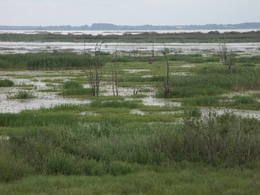
Sakas griniSimilar as Alsungas mezi (Alsunga forests) – is not intended and appropriate for visits. A narrow path of the restricted area can be seen from the gravel road – Saka-Apriki. Nature restricted area established mainly for protection of Erica tetralix (often called "cross-leaved heath") and it is one of the most important growing places.
240
Leistungen
240km - Entfernung von der Hauptstadt |
 |
Lettland
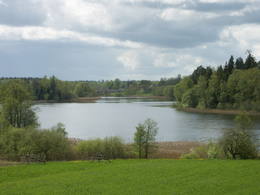
Lubanas ieplakasDie Senke des Lubāns – Sees, die sich im West- und im Südwestteil des Sees befindet, hat nur wenig veränderte Wälder und Sümpfe, wo viele seltene und geschützte Vögel nisten. Diese Region hat viele seltene und geschützte Habitate.
|
 |
Lettland
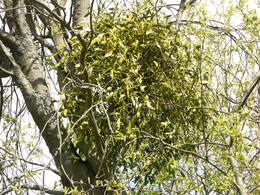
Istras ezersDieses Territorium schützt den eutrophischen See Istra und die entlang zu findenden Biotope – verschiene Wald- und Wiesenarten. Dies ist eine besonders schöne Gegend von Latgale. Interessanterweise kann das sogenannte “schnurförmige” Anordungssystem der Felder noch im Naturpark besichtigt werden.
|
 |
Lettland
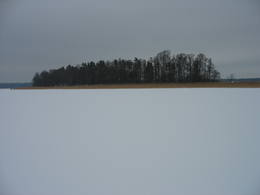
Gaviezes amuliDas ist ein bewaldetes Territorium, wo auf einem der größten Gebiete die Weißbeerige Mistel, ein Halbschmarotzer, zu finden ist. Am besten kann man diese einzigartige Pflanze wahrnehmen, wenn sie keine Blätter hat. Lettland ist die nördliche Grenze für die Weißbeerige Mistel, man findet sie nicht überall.
|
 |
Lettland
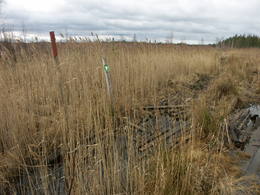
Liela Baltezera salasEs gibt sechs Inseln im Großen Baltezers – See – die Inseln Auzu, Priežu, Mazā, Liepu, Ropažu und Meldru. Sie zeichnen sich durch eine große Pflanzenvielfalt aus, einschließlich Laubbäumen, Schwarzerlen und Kiefern. Das Territorium kann ganz gut von der Seite der lutherischen Kirche Ādaži aus betrachtet werden. Der Große Baltezers – See ist ein beliebter Ort zum Angeln, einschließlich Eisangeln während des Winters.
|
 |
Lettland
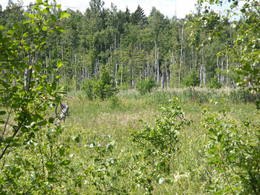
Kaigu purvsDer Teil des Sumpfes, der Moos hat und kein Torf, ist wichtig für Regenpfeiferarten während ihrer Nistzeit und für Gänsevögel, während des Vogelzugs.
|
 |
Lettland
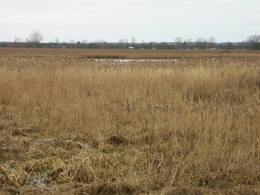
Gipkas lankasDieses morastige Gebiet war Teil der Litorina - Meereslagune und ist ein Gebiet, wo es viele seltene und geschützte Vögel gibt, z.B. leben und nisten hier Spechte. Ein Teil des Territoriums kann von der Straße Tukums-Kolka aus überblickt werden.
|
 |
Lettland
KremeriDer größte Teil dieses geschützten Territoriums besteht aus einem flachen und eutrophischen Wassergebiet, in dem viele Vogelarten nisten, darunter einige seltene und geschützte. Spezialisten meinen, dass hier zwischen 150 und 450 Paare der Lachmöwe regelmäßig nisten.
|