
| Nr | Name | Beschreibung |
|---|---|---|
 |
Andrupenes dabas takā var iepazīt sūnas, pārliecināties par sfagnu lielo ūdens uzsūkšanas spēju, gar laipas malām ieraudzīt apaļlapu raseni un purva dzērveni, apskatīt spilves, vaivariņus un purva vārnkāju, kā arī purva pasauli. Takas garums ~ 750m.
|
|
 |
Находится за Гробиньским водохранилищем на берегу реки Аланде (ул. Пиладжу, д. 3). Туристический клуб «Ога» с 1 мая 2013 года планирует здесь организацию разных связанных с жизнью викингов мероприятий, во время которых можно будет войти в образ викинга, отправиться в поход на корабле викингов (в соответствующей одежде) по реке Аланде, а также познакомиться с окрестностями, которые связаны с тематикой викингов. Рядом с поселением установлена деревянная фигура викинга с рогами (от коров, пасущихся на Витиньских лугах на берегу Лиепайского озера). |
|
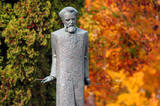 |
In Limbaži, an der Kreuzung der Straßen Cēsu und Dailes befindet sich ein Denkmal für den Autor der Nationalhymne Lettlands. Die Autoren des Denkmals sind die Bildhauer Z. Rapa und J. Rapa. Das Denkmal wurde am 16. Mai 1998 eröffnet, zum 775-Jubiläum der Stadt Limbaži. |
|
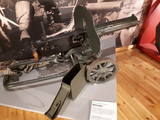 |
Ikšķiles vārds Pirmā pasaules kara laikā izskan saistībā ar diviem notikumiem – Ikšķiles priekštilta nocietinājumiem (Nāves sala) un kaujām pie Mazās Juglas upes. 1917. gadā 1. septembra rītausmā Vācijas impērijas armija uzsāka uzbrukumu iepretim Ikšķilei ar mērķi ieņemt Rīgu un saņemt gūstā Krievijas 12. armiju. Ar spēcīgu artilērijas atbalstu vācu vienības izsita Krievijas armijas karavīru daļas no Ikšķiles pozīcijām, kas savukārt ļāva Vācijas armijas karavīriem pa trim pontonu tiltiem šķērsot Daugavas upi. 1.septembra pēcpusdienā vācu izlases vienības sasniedza Mazās Juglas upes apkārtni pie Tīnūžiem, kur tām negaidīti ceļu aizšķērsoja no rezerves steigā atsauktā 8000 vīru lielā 2. latviešu strēlnieku brigāde, kura ieņēma pozīcijas gar Mazās Juglas upi. Latviešu strēlniekiem tika pavēlēts aizkavēt vācu karavīrus, līdz visa 200 00 vīru lielā Krievijas 12. armija izies no aplenkuma, nenokļūstot vācu gūstā. Latviešu strēlnieki savu uzdevumu izpildīja pilnībā, diennakti cīnoties pret gandrīz desmitkārtīgu vācu pārspēku. Kauja pie Mazās Juglas upes bija viena no traģiskākajām un reizē viena no leģendārākajām Latvijas vēstures lapaspusēm. "Tīnūžu muižā" ir izveidota 1. Pasaules kara tēmai un Juglas kaujām veltīta ekspozīcija. |
|
 |
Herstellung von Milchverarbeitungsprodukten und Erdbeeranbau. Für die Besucher wird angeboten, die Kunst des Rogenbrotbackens und die Herstellung von Käse und Eis zu erlernen sowie Haustiere (Schaffe, Ziegen, Schweine, Kälber, Kühe, Pferde, Hühnchen, Kaninchen, Meerschweinchen u.a.) anzuschauen. Die Interessenten können selber an die landwirtschaftlichen Arbeiten teilnehmen, Produkte verkosten und kaufen. |
|
 |
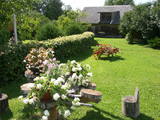
Der Sammler von Pfingstrosen Andris Berkins öffnet seinen Garten nicht nur für Besucher im Frühling, sondern er macht mit seinen schönen Blumengeschichten auch Tervete bekannter. Die Besucher können auch Jungpflanzen für den Schmuck des eigenen Gartens kaufen. Es wird empfohlen, den Garten in der Blütezeit im Juni zu besuchen.
|
|
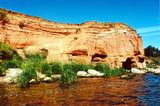 |
This is one of the few places in the Baltic States where one can find Devonian period sandstone cliffs featuring abrasion caves, arches, etc. The cliffs are on the shores of Lake Peipsi (Peipsi järv), near Kallaste, and they are between two and four (in some cases – nine) metres high, stretching for a distance of around one km.
|
|
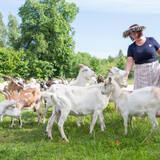 |
Ein lettischer Hof, auf dem ung. 50 Ziegen weiden. Exkursionen und Erwerb von Käse. Käse kann man auch auf dem Markt von Straupe kaufen. |
|
 |
Located in one of the most untouched corners of northern Latgale. Already from the spring they offer worker bee and later both, young and producing bee, propolis and wax mixture candles, pollen bread and propolis in butter. The workshop produces bee hives and other apiary equipment. |
|
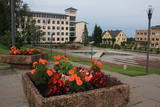 |
Madonas centrālais laukums, kas vēl 20. gs. sākumā bija tirgus laukums. Pēc apjomīgās restaurācijas tas ir kļuvis par ievērības cienīgu pilsētvides objektu. Laukuma ziemeļu pusē atrodas pilsētas un novada pašvaldība un Madonas novada TIC. |
|
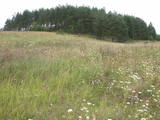 |
This partly forested hillock stands 40 metres above the surrounding area and offers impressive views. The fact that this was once a castle hill is attested by the presence of a moat and remnants of defensive fortifications. It is thought that Lettigalian tribes settled here in the 10th century AD. You can climb the hillock to take a look at the surrounding landscapes. |
|
 |
Der Bauernhof wurde an der vom deutschen Baron von Hahn 1847 erbauten Wassermühle eingerichtet. Auf dem Bio-Bauernhof werden Dammhirsche und Forellen gezüchtet sowie Obst und Gemüse angebaut. Der Gastgeber ist ein Winzer, der mit großer Sorgfalt jedes Getränk zubereitet. Es werden Verpflegung, Führungen und Verkostungen angeboten. |
|
 |
Atrodas Ventspils Rātslaukuma rietumu pusē iepretim Nikolaja luterāņu baznīcai. Ēkas pirmsākumi ir meklējami 18. gs. 1850. g. tajā atradās pilsētas Rātsnams, kopš 2006. g. - rakstnieku un tulkotāju māja, kurā patstāvīgi uzturas un strādā Latvijas un ārvalstu literāti. |
|
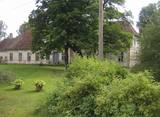 |
Das historische Zentrum des Guts Taši befindet sich im Tal des Flüsschens Alande unweit des Sees Taši. Das heute erhaltene Hauptgebäude geht auf die Familie derer von Korff zurück. Das Herrenhaus datiert auf 1734. Im Gebäude sind wertvolle Kamine im Barock erhalten, das Hauptportal ist aus Gotlander Sandstein ausgeführt, der Fußboden im Vestibül ist original mit Steinplatten ausgelegt, Parkett, Wandverkleidung, Außentüren vom Beginn des 19. Jh., Fenster und Treppen nebst weiteren Details sind erhalten. Südlich hinter dem Haupthaus wurde ein Garten in regelmäßigen Formen im Barockstil angelegt, wo historische Apfelsorten angepflanzt wurden. Neben dem Garten befindet sich der renovierte Park mit einem Teich im Stil des Romantizismus. Die Wege führen aus ruhigen Ecken zu lichterfüllten Plätzen hin, wo sich schöne Miniaturlandschaften dem Blick darbieten. Zwischen den mächtigen Eschen im Park finden Sträucher von Flieder, Heckenkirschen und Kellerhals ihren Platz, die ab dem frühen Frühjahr bunt erblühen und mit ihrem Duft eine besondere Atmosphäre im Park schaffen. Der einstige Gutshof mit den Grünanlagen wird als Kulturdenkmal staatlich geschützt. Das Gut Taši kann man nur nach vorheriger Anmeldung besuchen. Für den Besuch wird eine Spende erbeten. Die Führung durch Gebäude, Gärten und Park nimmt 1 bis 2 Stunden in Anspruch. Der Hausherr erzählt dabei über die Geschichte des Guts sowie nachbarschaftlicher Güter, über die Prinzipien, die in jener Zeit bei der Anlage von Parks und Gärten und Europa galten und inwiefern, diese auch in Taši zur Anwendung gekommen sind. |
|
 |
Ap 200 m garajā un izstieptās formas laukumā no 16. – 20. gs. atradās Liepājas tirgus. Laukuma malās tolaik bija izveidojusies vienstāvu apbūve – iebraucamās sētas, viesnīcas un dārzi. Līdz ar Pētertirgus izveidi 1910. gadā, izmainījās arī laukuma apveidi un to ieskaujošā apbūve. Laukuma DA malā slejas iespaidīgā Liepājas Svētās Annas Luterāņu baznīca. |
|
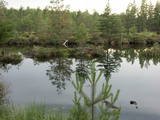 |
This territory is around 9 square kilometres in size and is found to the North of the village of Kūdra, where the so-called old peat quarries are found. Peat was extracted here during the first period of Latvian independence. Today the territory is overgrown, preserving the old and flooded quarries which offer a very unusual landscape. The best way to examine them is on foot or bike, taking the road from the Kūdra railroad station which leads to Lake Sloka. |
|
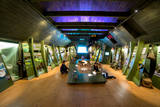 |
The Baltic Sea gave this territory one of the old names of Jūrkalne – Felixberg, and people still talk about the interesting legend that is the origin of the name. Several wrecked ships have been found in the Baltic Sea off the coast of Jūrkalne. An exhibition in the museum visualises the underwater world as the deck of a ship that has sunk into the depths of the sea. The exhibition focuses on the cultural and historical heritage of underwater Latvia, allowing visitors to learn all about the history of sailing ships, steamships and other objects that have been raised from the depths. Small children will start to learn about the underwater world, and researchers with broader knowledge will find something new here. |
|
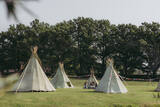 |
Glamping "Kadiķi" is located in Auce region - it will open in July 2021. It is a unique recreation area with a private area where you can find new feelings, spend the night in wigwam, merge with nature, enjoy the peace and quiet far from the city, see flocks of deer and deer, surround the surrounding waters, go hiking on forest trails, archery, enjoy the beauty of the natural landscape and gain an unforgettable rural adventure. The company's values are nature, private space and atmosphere, ecologically responsible attitude towards the environment. The wigwam has amenities worthy of a glamping tent - bed, interior items, outdoor terrace. Guests will also have breakfast. Nomadic Homes also offers to buy or rent wigwams for private events, recreation or starting your own business. |
|
 |
This farm is run by a young family which left the hurly-burly of
|
|
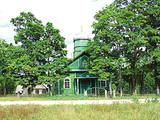 |
Ismeri Old-Believers Prayer House was built in 1912 by the donations of local people. The parish of
Ismeri exists since 1861.
|
|


