
| Нo | Название | Описание |
|---|---|---|
 |
Atrodas austrumos no Alūksnes Tempļa kalna un dienvidos no Lieliem kapiem – Tempļa kalna parkā. Skatu torņa platforma atrodas apmēram 30 m augstumā virs Alūksnes ezera ūdeņiem. Labi redzama Marijas sala, Alūksnes parks, Alūksnes ezera piekraste līdz Kolberģim un Lāzberģim. Izcili ainavisks skats! |
|
 |
Деревянный амбар в Авинурме является центром местного деревянного промысла. Здесь самый богатый в Эстонии выбор изделий из щепы, огромное количество банных принадлежностей и предметов домашнего обихода из дерева. Деревянный амбар организует различные учебные мастерские: плетение корзин, валяние, выпечка домашнего хлеба, изготовление свечей, роспись галош и т. д. Avinurme Puiduait ‒ это туристический центр, где можно ознакомиться с местными деревянными изделиями. Здесь также открыто кафе, где предлагаются блюда, характерные для окрестностей озера Пейпус, и хлеб собственной выпечки, а в сервировке используется деревянная посуда. |
|
 |
Хозяйка «Глиняной кухни» - керамик и она является одной из немногих в Литве, кто пользуется традициями керамики закваски. В мастерской принимают группы из детских садов и учащихся, взрослых, сеньоров. Керамик имеет опыт работы с инвалидами. В мастерской можно приобрести уже готовые глиняные изделия. |
|
 |
Atrodas 1905. gada ielā 6. Sinagoga tika celta 1875. g. – Krievijas cara Aleksandra II valdīšanas laikā. Pēc 2. pasaules kara tajā atradās graudu noliktava, kinoteātris, kafejnīca un visbeidzot – naktsklubs. No 2003. gada to vairs neizmantoja. Pirms gada tika pabeigts vērienīgs projekts - sinagogas un lūgšanu nama atjaunošana, kurā izveidots sabiedrībai pieejams kultūras un informācijas centrs un pārcelta Kuldīgas novada bibliotēka. |
|
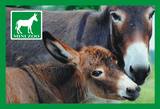 |
Можно увидеть пони, осликов, карликовых овец, карликовых коз, карликовых кроликов, карликовых свиней, ламу, кур и других домашних птиц. Детям хозяйка предлагает покататься на пони или на ослике, а также покормить форель. Обустроена игровая площадка и место для пикника «В карликовом раю». |
|
 |
The five-story hotel with a tower at its centre was built in the style of Neo-Classicism between 1933 and 1936, and it is known as the "White House" or "White Ship." The building is seen as one of the most outstanding structures of the first period of Latvian independence, and it was one of the symbols of the independent state. The building has survived, as have some of the interior design elements and artworks of the vestibule, music salon, library and dining hall. The Ķemeri Hotel is also known for having served as a set for the Aigars Grauba film "Terrible Summer." In 1998, the sanatorium was privatised by the Ominasis Italia S.R.L. company. Restoration has continued for more than a decade, and the building can only be viewed from the outside. There is a garden on its western side. |
|
 |
"Sabiles laivas" Talsu novadā piedāvā laivu nomu, laivu un laivotāju transportu. |
|
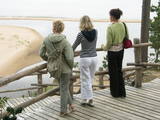 |
The Sunset trail starts in the centre of Saulkrasti town and takes you to the White Dune. Saulkrasti town with its municipal rural territory, occupies a 17km long stretch of coastal land to the North from the river Lilaste and the lake Lilaste. The White Dune stands on the right side of river Inčupe mouth. It is covered by old pine forest. The white, 18m high sand outcrop in olden times served as a landmark for fishermen. The White Dune formed as winds carried the sand from the beach over clay sediments of the Baltic Ice Lake. Some 150-200 years ago, the dune had been drifting as witnessed by several layers of soil buried within it. Local fishermen and farmers at Bātciems initiated afforestation of the drifting dunes. At that time, the 30m high dunes which are now covered with forest, were bare, shifting and even buried a farmstead. To speed up afforestation, mountain pines were planted. The White Dune was partly washed away in heavy storm in 1969, and 4-6m high precipice formed. Now the wind and sand have levelled out the dune surface, it has been fixed with willow-twigs or grown with forest where the largest pines are more than 170-190 years old. The pines are notable with their large trunks and branches, the scars obtained during their lifetime and the typical “crocodile skin” – the bark forms rhombuses resembling those of the reptile’s scales. Scots Pine (Pinus Silvestris) is one of the most common tree species in Latvia. It grows in dry, meagre sandy soil in dunes as well as in marsh. However, it does not stand overshadowing. Forest fires help pines to get rid of competitors as pine endures fire better than other trees because of its thick bark and high crown. The wood exudes resin and burned wounds close soon. Fire cleans space for seedlings of young pines. Pines can live 300-350 years. Ground cover in dune forests is very sensitive. If the sparse vegetation is destroyed, not only the natural biodiversity and landscape is damaged, but also the dangerous shifting dunes can possibly “wake up”. Embryonic dunes, White (yellow) dunes, Grey dunes and Wooded dunes are EU protected biotopes. Grey Dunes are protected by Latvian law as well. |
|
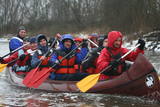 |
Компания занимается организацией природных походов: летом морские походы на байдарке, осенью на болотоступах по болоту, зимой походы на снегоступах и весной на каноэ по рекам. |
|
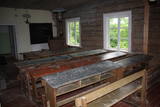 |
Находится на обочине дороги Друвиена – Лиэзерс. В историческом здании школы в 1964 г. создан музей. Имя школы связано с латышским писателем Янисом Поруком (1871 - 1911), в часть которого создана памятная комната. На втором этаже можно побывать в классе, посидеть на старинных школьных скамьях и ощутить себя учеником прошлого. Интересные экспонаты – сундуки для хлеба, - такие же, как во времена героев рассказов Порука – Цибиня и Буньга. |
|
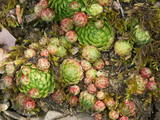 |
This is a short stretch of the Daugava River valley between Lielvārde and Dzelme, with islands and shallows in the river, as well as with reeds and wet meadows alongside it. During migration season, many goose-type and plover-type birds rest and feed here. The location is also an important nesting area for several other kinds of birds.
|
|
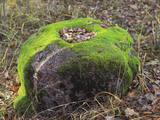 |
Зиленский жертвенный камень. В деревне Зеленополе, около
крутого склона Золотого холма, можно осмотреть камень с кольце-
образным углублением посередине – Зиленский жертвенный
камень. Это было культовое место, где приносили жертвы богам,
очищались от дурного и набирались светлой энергии.
|
|
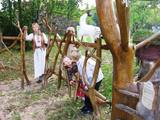 |
Семейный парк Лесовницы - расположенное между холмами Кайка объединение хуторов, которое предлагает различные возможности для ознакомления с близким к природе здоровым образом жизни и народной медициной. В рамках предлагаемых хуторами программ можно познакомиться с траволечением, гирудотерапией, волшебным миром пчел и грибов, а также ощутить на себе влияние заклинаний и мест для медитации. Также можно научиться готовить блюда из сорняков, домашний хлеб и лекарство из трав. Одиночные посетители могут самостоятельно познакомиться с хутором. |
|
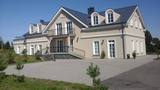 |
Agrotūrisma saimniecība aicina cilvēkus pavadīt brīvo laiku dabā. Kopš 2004. gada 45 ha lielajā bioloģiskajā saimniecībā tiek audzēta labība un aitas. Saimniecība pielāgota atpūtai un svinību rīkošanai. Visapkārt paveras plaša ainava ar rudzu laukiem, aitu ganībām, zirgu stalli, kas ļauj izzināt jāšanas pasauli un bioloģiskās saimniekošanas principus. 2 svinību zāles un 13 guļamistabas 40 viesu izguldināšanai klasicisma stila ēkā. Plaša apsargātā teritorijā, asfaltēts ceļš ērtai piekļuvei, bērnu rotaļu un volejbola laukumi, smilšu pludmale, klusa atpūta bibliotēka, makšķerēšana, putnu vērošana un dažāda garuma pastaigas un izjādes maršruti mežā. Pieredzējuši treneri mācīs iesācējiem jāt, un profesionāliem jātniekiem iespēja uzlabot savas prasmes. Iegādei laukos audzēti ekoloģiski tīri dārzeņi, augļi, un ne tikai.
|
|
 |
Кооперативный магазинчик розничной торговли, предлагающий продукцию от 29 производителей и ремесленников Кулдигского края. В течение всего года предлагается широкий и разнообразный ассортимент местных продуктов домашнего производства. |
|


