
| Нo | Название | Описание |
|---|---|---|
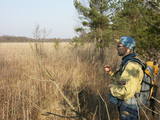 |
This lime swamp of grasses is in an area among dunes which floods from time to time, and it is an important location for many protected plants. The swamp is easily surveyed from the forested dunes which are on the south-eastern side of the swamp. |
|
 |
Piemājas saimniecība "Rudā lapsa", kas atrodas Ludzas novadā, interesentiem piedāvā iespēju iepazīt laukus, apskatīt mājdzīvniekus, saklausīt dabu, ļauties mierīgai atpūtai. Tiek piedāvātas telšu un piknika/ugunskura vietas. Ciemos tiek gaidīts katrs, kas vēlas atpūsties un izrauties no ikdienas skrējiena. |
|
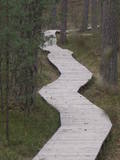 |
One of the most attractive and informative nature trails in the environs of Rīga. It leads the visitor around the 17-metre Ragakāpa dune, which is most interesting. People can learn about the habitats of the dune areas and the plants and animals of the area. Some of the pine trees are as much as 100 years old and more. The trail is 2km long in each direction and will take some two hours to traverse. This is part of the Ragakāpa nature park.
|
|
 |
Zirgi un citi lauku iemītnieki. Dažāda veida izklaides ar zirgiem gan saimniecībā, gan ārpus tās, un saimniecībā mitošo iemītnieku apskate. |
|
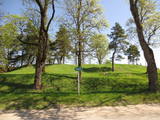 |
древнее куршское городище, расположенное в самом центре Алсунги. Свое название оно получило в 1659 году, когда Курземский генерал Берг расположил здесь орудия (пушки), чтобы обстреливать шведские войска, укрепившиеся в Алсунгском замке. Городище высотой 8-10 метров (площадка 22 x 54 м) с великолепным видом на Алсунгскую католическую церковь Святого Михаила и близлежащее озеро Дзирнаву. Вокруг городища вытянулась ярко выраженная терраса, на которой располагались деревянные защитные сооружения. На второй стороне Замковой улицы (к западу от городища) расположено кладбище Калнини с захоронениями 11-13 в.в., исследованными археологами в середине прошлого века. На Дижгабалкалне суйты празднуют Пасху и Лиго (Янов вечер). |
|
|
|
Vecauces ev. lut. baznīca ir valsts nozīmes arhitektūras piemineklis. Baznīca pirmo reizi uzcelta kā koka būve 1667. gadā, bet pēc zibens spēriena 1729. gadā tā nodega. Mūra baznīca celta 1744. gadā, savukārt 1866.gadā Mēdemu valdīšanas laikā baznīcu paplašināja līdz 500 sēdvietām, izgatavoja jaunu altāri, kanceli un uzstādīja Liepājas ērģeļmeistara Kārļa Hermaņa būvētas ērģeles. meklētājiem piedāvā doties interesantā, izklaidējošā un informatīvā ekskursijā pa baznīcu, apskatot ekspozīciju "Auce pirmās Latvijas brīvvalsts laikā" un baznīcas bibliotēku (Baznīcas grāmatas (pirmās Latvijas brīvvalsts laiks – 1918.-40.g., vācu laiks, padomju laiks un šodiena)). Baznīcā izveidotajā Mākslas telpā apskatei tiek piedāvātas vairākas unikālas ekspozīcijas: skolotājas Jadvigas Kupčes grāmatu un personīgo lietu ekspozīcija, kantātes “Dievs Tava zeme deg” vārdu autora Andreja Eglīša ekspozīcija, izcilā flamenko ģitārista Andreja Kārkliņa un režisora Kārļa Pamšes ekspozīcijas. |
|
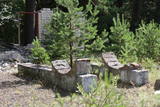 |
Овишский 521-й пост погранохраны находится в собственности Министерства обороны ЛР и является закрытой территорией для гражданских лиц. Интересующимся доступны только развалины отдельных зданий в дюнах.
|
|
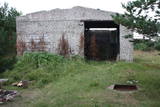 |
В пункте погранохраны берега Лабрагс сохранились помещения для прожекторов. Объект находится в частной собственности.
|
|
 6 дней
|
The Baltic Sea littoral on the West coast of Kurzeme is called the Great Wave Sea. The seacoast is mainly sandy. While the Great Wave Sea section is the least populated coastal area in Latvia, at the same time, the third biggest city in Latvia, Liepāja, is also located there. Steep bluffs rise before your eyes on the seacoast between Pāvilosta and Sārnate. The villages are quiet and sparsely populated. At the beginning of the route, you can see the Soviet military heritage in Liepāja Karosta Prison, taste smoked local fish in Pāvilosta and then enjoy one of the most beautiful views of the entire route to the seacoast from Užava lighthouse. The route closes in the port city of Ventspils, where there are various entertainment and sightseeing places, especially for families with children. |
|
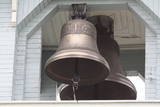 |
Находится в южной части города, на улице Синицина, 4. Храм построен в 1895 г., а в 1906 г. перестроен. На колокольне находится три литых из серебра и меди колокола (отреставрированные), один из которых является самым тяжелым в странах Балтии ( вес 4832 кг, язык колокола весит 200 кг)! Рядом расположен музей, который знакомит с культурной средой старообрядцев и церковной жизнью. |
|
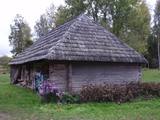 |
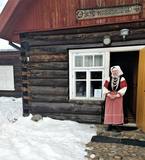
В гостях у кавалера ордена Трех звед, хранительницы культурного наследия суйтов, певицы и рассказчицы Лидии Янсоне вы узнаете об истории суйтов, традициях и специальном бурдонном пении, а также узнаете, как в древности в домашних условиях делали пиво, которое наши предки варили для торжеств и по праздникам. |
|
 |
В хозяйстве, расположенном на излучине правого берега Венты, выращивают коз и производят сыр. Для посетителей – возможность продегустировать сыр и приобрести продукцию. Принимают заказы. |
|
 1 день
|
Setomaa has been inhabited for about 8,400 years, which makes it one of the oldest human settlements in Estonia. It is located on the border of Eastern and Western civilisations, bordering Russia, Latvia and Estonia. Setomaa is famous for its well-preserved traditions and culture. For centuries the local handicraft skills have been passed down within families. Seto polyphonic singing (Seto leelo) is inscribed on the UNESCO List of the Intangible Cultural Heritage of Humanity. Setos have distinctive national costumes, rich in detail and unique to each family. Perhaps most impressive is the distinctive array of Seto jewellery. These visually striking pieces not only reflect the social standing of the wearer but are also worn as a safeguard from misfortune. To this day, the Seto lifestyle remains closely tied to nature. It is common practice for the Seto not only to enjoy the natural beauty of the forest but to also use its gifts. Berries and mushrooms are picked freely in their seasons. It is best to start the tour from Võru and finish in Tartu. |
|
 7 дней
|
The most spectacular autumn events are the Crane shows which can be observed at the bogs and fields. The tour will pass several of these places. We have included different biotops in the tour- seacost, different forests, bogs and fish ponds- in order to see various bird species. |
|
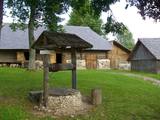 |
Это своеобразный музей на открытом воздухе в Южной Эстонии, где можно познакомиться с крестьянской и школьной жизнью конца 19-го - начала 20-го века. На музейной территории в 5 га можно увидеть здания школы, суда, бедного дома с надворными постройками, зернохранилища, жилой риги и дома бобыля, а также ветряную мельницу голландского типа. Представлены сельскохозяйственные машины и средства передвижения. |
|
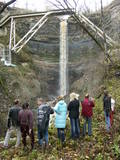 |
This is a cliff with various levels. Known as the North Estonian cliff, it stretches all along the shore of the Bay of Rīga in Estonia, including some of the local islands. The most expressive part in geological and landscape terms is the Saka-Ontika-Toila cliff, which is around 22 km long and offers an unusual natural environment. The cliff is as much as 53 m high, and it has a fairly virginal forest along its slopes. The layers of clay, sandstone, limestone, etc., come from the Cambrian and Ordovician periods. The Valaste juga (Valaste waterfall) is 24 metres high. After a longer period of freezing temperatures, the waterfall has a particularly impressive appearance. Seasonal waterfalls (8-10 m) can be found near the villages of Ontika and Toila.
|
|
 |
На ферме долины Лапяй разводят много разных животных: историческую португальскую породу лошадей Лузитано, Шетлендских пони, других теплокровных европейских лошадей, коз англо-нубийской породы, грубошерстных овец генофонда Литвы, а также большое стадо разных домашних птиц. Хозяева рассказывают посетителям о породах животных, об их происхождении, приглашают покататься верхом на лошадях, а также пони и понаблюдать за животными. |
|
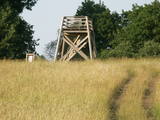 |
Here the visitor will find an ecological tourism trail in the ancient Embūte valley. The hills around Embūte date back to the Ice Age. There are valleys and forests of many fallen trees which are protected habitats. The visitor will learn about important natural and cultural monuments – the Embūte castle hill, as well as the ruins of a baronial estate, a castle and a church. The Courlandian chieftain Indulis died in the region. The visitor can view the Devil’s Dam, along with meadows, a viewing tower, etc. There are bicycler routes in the region. The site is located in the Embūte nature park. |
|
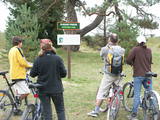 |
This is a route for hikers and bicyclists, starting at the village of Vaidava and then moving along the eastern shore of the narrow Lake Vaidava, which has steep cliffs around it. The trip covers the Veļķi baronial estate, the “Swedish pine”, the famous Vaidava (Metimne) hillfort, a series of streams, the great Rubene rock, the Vaidava baronial estate on the western shore of the lake. After that, the trail leads the visitor back to the starting point.
|
|
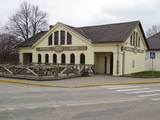 |
Atrodas Dundagas centrā, Talsu un Pils ielas krustojumā. Bistro tipa ēdināšanas uzņēmums, ko iecienījuši vietējie iedzīvotāji un pilsētas viesi. |
|


