
| No | Name | Description |
|---|---|---|
 |
Handicraft house Heltermaa is a local Hiiumaa grocery and handicraft shop, open during the summer season. The selection is very wide, starting from ceramic dishes and ending with Hiiumaa lemonade. |
|
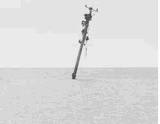 |
The Pape airfield was used for arms training in Soviet times, with bombs being dropped on specific targets. The facility is owned by the regional local government and is not used. There are sunken ships and targets in the sea.
|
|
 |
Meklējams 0,3 km no Līvānu dzelzceļa stacijas – Fabrikas un Stacijas ielu krustojuma tuvumā. Ideja par Līvānu atbrīvošanas pieminekli radās jau 1929. g., taču to īstenoja 1935. gadā (arhitekts Pāvils Dreimanis). Tā galvenais elements bija 15 tonnas smags Krievijas armijas pamests lielgabala stobrs. 1958. gadā pieminekli iznīcināja, jo tas nebija „tīkams” padomju varai. No jauna to atklāja 2004. gadā. Piemineklis veltīts brīvības cīņās kritušo latviešu kareivju piemiņai, kuri 1919. g. ieņēma un atbrīvoja pilsētu no lieliniekiem. |
|
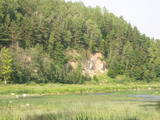 |
One of the most beautiful areas along the Venta River and its tributary, the Šķērvelis River. The river valleys and gullies along them are quite deep, and dolomite and sandstone cliffs can be spotted here and there. There are also rapids on the river. The largest cliffs in Kurzeme – the Ātraiskalns and Gobdziņi cliffs – can be seen on the banks of the Venta. The Lēni Catholic Church is near the restricted area. There are no tourist elements in the restricted territory at this time. The Venta is a popular destination for water tourists, however, from Nīgrande to Kuldīga. |
|
 |
Saimniece piedāvā sertificēta pirtnieka pakalpojums, organizē latviskos pirts rituālus, vada izglītojošas programmas par augu spēku izmantošanu savai labsajūtai. Apvienojot pirtnieka pakalpojumus un pašas ražoto produkciju, saimniece radījusi zīmolu - “Arnitas labsajūtu darbnīca”. Kā mājražotāja piedāvā pašceptu maizi, zāļu tējas un augu sīrupus, kā arī meistardarbnīcas kulinārā mantojuma jomā. |
|
 4 days
|
Poems are dedicated to trees in the garden sourrounding the memorial house of Edvarts Virza, a Latvian poet and writer who wrote a legendary novel about the lives of Latvian farmers. The beautiful 18th century Mazmežotne castle is renovated by a grain farmer’s family. The Rundāle castle is known as Latvia’s true jewel of Baroque and Rococo architecture featuring also a rose garden with over 2200 varieties of roses. At Brukna manor you will see a vegetable garden that is arranged as a Renaissance park, a rose garden and a vineyard. Pick your own blackcurrant berries at Bāniši berry farm. A beautiful landscape garden is open for visitors at Gundegas house. 200 year old oaks adorn the Vārkavas Park. Riekstiņi is an authentic single-family Selonian farm with a specific spirit and ambience. At Kaldabruņa you will visit an art gallery housed in a hay-shed together with a hay museum. Grape selection and cultivation was the great passion of Pauls Sukatnieks, and his memorial garden is worth visiting during the harvesting time. Dvietes Manor is proud of its 19th century landscape park and a stone bridge. Daugavpils, the 2nd largest city of Latvia, is famous for the renovated 19th century Daugavpils Fortress housing museums. Sēlija tree nursery offers a tour of their apple orchard, apple storage and production facilities. Enjoy a glass of apple juice and stories of vinemakers. Berķenele is the memorial house of Rainis, the distinguished Latvian author and social activist.The Rokiškis Regional Museum and Manor is one of the most important cultural centres of the Aukštaitija region. The Liudvika and Stanislovas Didžiulis Homestead Museum garden features traditional Lithuanian apple tree cultivars, flowers and herbs. The A. Baranauskas and A. Vienuolis-Žukauskas Memorial Museum presents culture, literature, history, agrarian culture, and technical history in the Anykščiai region. Traditional Lithuanian flower garden can also be seen at the Bronė Buivydaitė Memorial Museum. In Anykščiai you can enjoy the Treetop Walkway and Labyrinth Park, and take a train ride on Aukštaitija’s narrow-gauge railway. In Traupis Botanical Garden you will find everything from perennial flower collections and rock garden to a flower clock and decorative pool with aquatic plants. The interior of the Taujėnai Manor house was decorated extensively with the Radziwiłł family’s portraits, sculptures, hunting trophies, and antique weapons. Take a walk around the Ukmergė Old Town and enjoy the view from the old fire tower. Survilai Homestead offers a barefoot trail walking on pine cones, swamp, peat, clay, gravel, polished glass, pine-tree needles, straw. The Vytautas Magnus University Kaunas Botanical Garden exposes the Lithuanian Heritage flower garden plants according to their botanical classification. At Tadas Ivanauskas Homestead at Obelynė Park you will see a collection of 300 species and forms of plants, including some of the oldest trees on the planet – the ginkgo biloba and the dawn redwood. In Kaunas you will see the Oldest Apple Tree in Lithuania – almost 360 years old, 8 metres tall, with a girth of 285cm at a height of 1.3m. The tour ends in Kaunas, Lithuania's 2nd largest city that was the capital of the country from 1920 until 1939. |
|
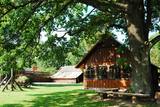 |
Vieta Suvalkijā ģimenes svinībām un atpūtai laukos. Atjaunotajā ar vēsturi saimniecībā atradīsiet etnogrāfisku un modernu interjeru elementu sajaukumu. Plaša dzīvojamā istaba ar kamīnu, oriģinālas ozolkoka mēbeles, guļamistabas ar visām ērtībām un virtuvi. Lauku pirts un kubls. Mežs pie mājas bagāts ar sēnēm un ogām. Piedāvājumā izglītojošas aktivitātes, stafetes bērniem un viņu vecākiem līksmībai, pirtnieka pakalpojumi.
|
|
 6 days
|
This itinerary allows you to enjoy the Latvian winter at its best. It starts in the bustling capital of Riga with its Christmas market, decorations, shopping facilities, many cultural events and museums as well as a charming Old Town. |
|
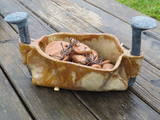 |
The potter offers tours of his workshop, a chance to use the potter’s wheel to produce your own clay dishes, opportunities to draw, and a chance to manufacture drums and dolls. You can buy the finished products and listen to the craftsman playing his drums. |
|
 |
No ģeogrāfiskā un kultūrvēsturiskā viedokļa interesanta teritorija Latgales augstienes Rāznavas paugurainē, kuras nozīmīgākie resursi ir dažāda veida biotopi, ainavas, reljefs un Šķaunes ezers. Istras pauguraines dabas parkā nav ar tūrismu saistīti labiekārtojumi, bet šo teritoriju var apskatīt arī „no malas”, braucot pa grantēto ceļu no Soboļinas uz Osinovku, kas iet līdztekus parka ziemeļu robežai (skats uz Šķaunes ezeru).
|
|
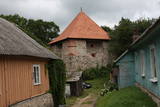 |
Pussalas pils pirmsākumi ir meklējami 14. gs. Tajā laikā minētā pils bija viena no lielākajām šāda tipa aizsardzības pilīm. Pēc Traķu un Viļņas ieņemšanas 1382. g. pils kļuva par Ķēstutu (Kęstutis) - Lietuvas dižkunigaišu dzimtas dzīves un valdīšanas vietu. 1655. g. Polijas – Lietuvas lielvalsts un Krievijas kara laikā pili nopostīja. Līdz mūsdienām no iespaidīgās celtnes (aizņēma 4 ha platību) saglabājušās tikai no laukakmeņiem celtā aizsargmūra un torņu paliekas. Tās iekšpagalmā ir apskatāma efektīvā viduslaiku ieroča – katapultas atdarinājums. |
|
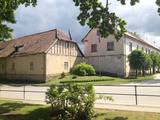 |
Known as Alšvanga in the past, this place was mentioned for the first time in 1231 in an agreement that was signed between the deputy legate of the pope in Rome and the Courlandian tribes of the region. The Livonian Order ruled the territory until 1561, and from 1573 until 1738 the order’s castle belonged to the von Schwerin dynasty from Pomerania. It during the rule of this aristocratic family that a stone church was built in honour of Archangel Michael, and local residents began to convert to Catholicism. Alsunga became the Catholic centre for all of Kurzeme, and local residents became known as the Suiti (from the Schwerin suite). For nearly 400 years, Alsunga has been the historical centre of the Suiti territory. This is Latvia’s most conservative region and is widely known with unusual songs, colourful folk costumes and various folk traditions and beliefs. The Suiti have their own dialect, foods and many other things that have been long since abandoned or forgotten elsewhere in Latvia. The religious has commingled with the folk here in one unique whole. The Alsunga District covers 191 km2 and has some 1,500 residents. |
|
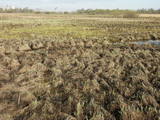 |
Natural flood-land meadows along the banks of the Lielupe before Jelgava. Many protected plants are found here, and birds nest and rest here during migration season.
|
|
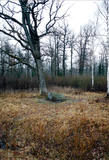 |
This territory was established to protect the lovely central section of the Neries River, local species, and Lithuania’s largest oak forest.
|
|
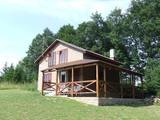 |
Atrodas ezera krastā, netālu mežs. Vieta kā radīta, lai paceptu gaļu, pamētātu bumbu grozā, pasauļotos vai pašūpotos šūpolēs. Tiem, kam patīk nakņot teltī, ezera krastā izveidotas 3 atsevišķas vietas teltīm mierīgai atpūtai. Ugunskura vieta, tiltiņš pāri ezeram, elektrība. Makšķerēšana, ogošana, sēņošana, vēžošana. Aktivitātēm brīvā dabā - bērnu rotaļu laukums, laivas, ūdens velosipēds, siltuma mīļotājiem - pirts. Laipni gaidīti arī ziemā uz slēpošanu un slidošanu. Atgriežoties no āra, gaidīs silta mājiņa un kamīnā kursies uguns. Saimniecībā ir bites, tāpēc medu varēsiet nobaudīt pa taisno no stropa medus kārē. Pieejams "stropa" namiņš, kurš speciāli aprīkota ar bišu stropu klimatu, lai sajustu tā pozitīvo ietekmi uz ķermeni un garu! |
|
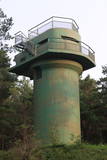 |
Батарея расположена к югу от Вентспилса, недалеко от Приморского парка. Строительство батареи начато в 1939 году. Неухоженный, загрязненный и заброшенный военный объект – яркий контраст ухоженному городу. Приложили свою руку и охотники за металлом и строительными материалами. Жаль, что такое историческое и потенциально туристическое место находится в таком состоянии под стенами самого города.
|
|
 |
Кафе в гостевом доме «Имулас»у дороги Кандава – Сабиле (9 км) в древней долине Абавы, в 5 километрах от Сабиле. Предлагаются латышские традиционные блюда, вкусные стейки, приготовленные на гриле с разными гарнирами, итальянская паста, а также блюда китайской кухни. |
|
 |
Впервые как населенное место Балви упоминается в 1224 году. На рубеже 19 – 20 вв. Балви из центра господской усадьбы и волости превратился в крупный населенный пункт. Во время борьбы за освобождение Латвии в 1919 г. Балви стал колыбелью Латгальского партизанского полка. В 1926 году Балви приобретает право посада, а с 1928 года становится городом. Во время Второй мировой войны, при отступлении немецкой армии Балви был почти полностью сожжен. Жители Балви гордятся тем, что солнце восходит здесь на три минуты раньше, чем в Риге. В последние годы поменялся облик центра города. |
|
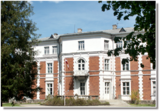 |
Ансамбль господской усадьбы «Бебрене» (стиль барокко) создан в конце 19 - начале - 20 веков. Главная доминанта комплекса – построенный в 1896 году (архитектор Л. И. Л. Маркони) господский дом графов Платеров - Зибергов, в помещениях которого разместилась Бебренская средняя школа. До наших дней сохранились роскошные ворота и каменный забор необычного вида. Поместье окружает парк с партером регулярной планировки и богатыми посадками чужеземных видов древесных растений.
|
|
|
|
Ap 400m garš un līdz 16m augusts atsegums upes kreisajā krastā.
|
|


