
| Нo | Название | Описание |
|---|---|---|
 |
Reta galda vīnogu kolekcija un degustācija, ainaviska dārza apskate un stāstījums par ķirbjaugu, čilli un tomātu šķirņu kolekciju. Kolekcijā ir 120 šķirņu tomātu, 20 šķirņu paprikas un aso piparu, 140 šķirņu ķirbjaugu. Degustācijas galds - sukādes, čilli, interesanti ievārījumi un pašu fermentētas tējas. |
|
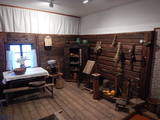 |
Расположен в старом здании школы, ул. Сколас, д. 11А. В музее представлены гостиная и кухня суйтов, литургические костюмы католических священников, меняющаяся экспозиция в выставочном зале и история формирования и нынешние дни этнографического ансамбля «Суйту сиевас» (“Suitu sievas”). Специальное предложение музея - выступления суйтских жен, суйтских мужей и суйтских дудочников. |
|
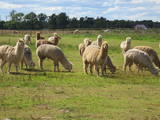 |
Крупнейшее стадо альпак в государствах Балтии (животное регионов гор Южной Америки). Интересующиеся могут осмотреть животных, послушать рассказ и купить шерсть альпаки. В 2014 году планируется переместить стадо из усадьбы Вицежу в Либагскую волость. |
|
 |
Taka ap Ozolu Mazezeru. Purvaino krastu posmā, ap ezera rietumu galu, ierīkotas gājēju laipas. Novērojami purva, meža un ezera augi, dzīvnieki un biotopi. Jūlija beigās īpaši krāšņi zied ūdensrozes. Blakus atrodas Ozolmuiža ar parku.
|
|
 |
Since 1820 people have been brewing Estonian beer here using local ingredients, like groundwater, yeast and others. The Saku Brewhouse name comes from the previous brewery that worked until 1992. The brewhouse also has a museum where you can see beer production from centuries ago until this very day. During the tour it is possible to taste freshly made beer. Minors are not allowed to participate in the tour. |
|
|
|
One of the richest sources of sulphurous water in Latvia.
|
|
|
|
Atrodas mežā, netālu no Kaltenes. Labiekārtota (laipas, kāpnes, informācijas stendi) taka, kas iepazīstina ar Latvijai samērā neparastu dabas pieminekli (aizsargājams) – Kaltenes kalvām, kas ir lieli, līdztekus Rīgas jūras līča krasta līnijai orientēti laukakmeņu krāvumi. Uzskata, ka tos veidojuši Baltijas ledus ezera ūdeņi un ledi. Garums – ap 1,5 km. |
|
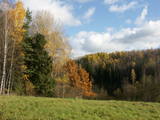 |
The Krustkalni Nature Reserve was established in 1977, and the diversity of plants in the region is based both on the terrain – the Madona-Trepe embankment, a series of hillocks with low areas among them, swamps and small lakes – and on the biotope – natural meadows, forest glades, places where underground streams bubble up to the surface, and vast areas of forest with very old stands of trees. Some 800 types of plants have been defined in the reserve. It can be toured only in the company of a guide from reserve headquarters, and one must apply in advance. Visitors can visit the Krāku streams, Lake Svēte-Dreimaņi, and other sites. |
|
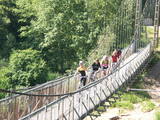 |
The Gauja National Park, established in 1973, was Latvia’s first national park, and it has a wealth of tradition in environmental protection and tourism. Indeed, the GNP is one of the most popular tourist destinations in Latvia. The main “artery” of the park is the ancient Gauja River valley, which was left behind when Ice Age glaciers receded. The valley is 95 kilometres long, with many tributaries that are also in deep ravines with massive sandstone cliffs from the Devonian period. The deepest part of the river valley is at Sigulda, where it is 85 metres deep. The territory has a great diversity of species – some 900 plant species in all. The Gauja is Latvia’s most popular river for water tourism, and many tourist accommodations are found along its shores. The Gauja National Park is one of the best-appointed protected territories in Latvia in terms of nature trails and tourism routes. Nature trails at Līgatne pass along paddocks of wild animals – the largest and most complete object of its kind in the Baltic States. The park also features cultural monuments of pan-Baltic importance – the Turaida Museum Reserve, the medieval old town of the city of Cēsis with its famous castle ruins and St John’s Church, the lake castle at Āraiši, etc. Visitors centres are found in Sigulda, along the Līgatne nature trails, and at the Zvārte rock. The administration of the GNP is building a new and modern visitors centre in Sigulda.
|
|
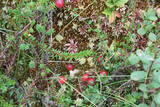 |
The territory has been established for protection of the bog and its habitat species. It is not appropriate for visits. North-east part of the bog can be slightly seen from the road Neveja – Lapmezciems on winter season. Further on Cirste direction is located on of most impressive oak trees in Latvia – Rigzemju ozols.
|
|
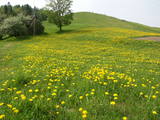 |
This is a view worth a journey from a distance. This is an impressive terrain for Latvia, and here you will see as far as the Hanja highlands of Estonia, where the Great Munameģis Hill – the highest surface in the Baltic States – can be found.
|
|
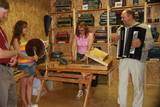 |
Представлена обширная коллекция старинных музыкальных инструментов. Посетителям предлагают послушать рассказы об истории и процессе изготовления инструментов. Гости могут включиться в музицирование, а также заказать и приобрести самодельные инструменты. По предварительной договоренности можно послушать концертную программу капеллы семьи Игаунисов. |
|
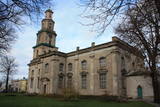 |
Находитсянаул. Лиела, д. 9. Храм строился в 1742 – 1758 гг. (проект Я.К. Дорна) для нужд немецкого прихода. Строительство 55-метровой башни закончилось в 1866 году. Фасад церкви и интерьер выполнены в стиле позднего барокко с чертами классицизма (в интерьере – роскошные элементы стиля рококо). Церковь славится органом, который построен в период с 1773 - 1780 года (Х.А.Конциус). После перестройки в 1885 году инструмент имеет >7000 труб, 131 регистр и 4 мануала, и номинирован как крупнейший в мире механический орган. Осмотр храма, органа и колокольни. Этот и остальные объекты Лиепаи или их части находятся вВецлиепае (Старой Лиепае), которая является интересным памятником градостроительства XVII – XIX веков. Познакомиться с ним можно, пройдя по пешеходному маршруту «Лиепая – как по нотам», который в природе обозначен нотными символами на брусчатке города. |
|
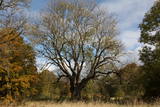 |
This is the thickest European Ash (Fraxius excelsior) in Latvia and the Baltic States. The homestead where the tree is found is the memorial museum of the painter Ģederts Eliass, and for that reason, the tree is sometimes also known as the Eliass ash tree.
|
|
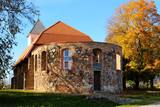 |
Dievnama mūri kā svētvieta glabā ne tikai svētuma starojumu, mierinājumu, bet arī smagus, rūgtus un iznīcinošus notikumus. Vairākkārt pārbūvēta, sagrauta, dedzināta, un tomēr atjaunota. |
|
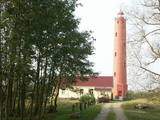 |
Акменьрагский маяк и в советское время служил для обеспечения морской навигации. В настоящее время маяк поддерживает Латвийская морская администрация, а осмотреть маяк можно только со стороны.
|
|
 |
Маяк Кыпу старейший постоянно действующий маяк в мире и располагается на самой высокой точке Западной Эстонии- горе Торнимяги (68 м.). На маяке есть выставка, у его подножия располагается кафе. |
|
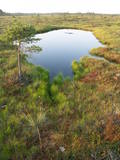 |
This territory was established to protect the rare tree specie in Latvia - common hornbeam, which covers approximately 4% of the territory, but the most visually interesting part of the area is the Tīrspurvs swamp, also known as the Dunika heath. This is where the visitor will find Latvia’s longest and most impressive swamp footpaths, which crosses the area from the North to the South. Visitors will be fascinated by the unique landscape of the central part of the swamp, where in some places there are not even small swamp pine trees. Various habitats will be found – small swamp lakes, mineral islands, marsh pools, etc., and that is to say nothing of all the birds in the area. |
|
 |
Название Добеле впервые упоминается в исторических источниках в 1254 году. Добеле было одним из наиболее укрепленных земгальских мест, поэтому в период с 1279 по 1289 гг. пережило шесть нападений немецких крестоносцев. В 1289 году земгальцы вынуждены были отступить. В 1335 году завоеватели на месте земгальского замка приступили к строительству нового, каменного замка. На противоположном левом берегу Берзе начался образовываться посад торговцев и ремесленников. Город сильно пострадал во время Северной войны и последующей эпидемии чумы. Важное событие в хозяйственной жизни города произошло в 1927 году, когда была построена железнодорожная линия Лиепая - Глудас. После Второй мировой войны в Добеле и окрестности города пришли советские военные, которые построили один из крупнейших танковых полигонов СССР «Добеле-2». Сейчас путешествующим по Добеле предлагается интересный выбор посещаемых объектов. |
|
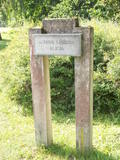 |
Знак аллеи Яниса Либиетиса в
Кемерском парке. Я.Либиетис работал
директором Государственного Кемерского
учреждения серных источников с 1928 по 1944
год.
|
|


