
| Нo | Название | Описание |
|---|---|---|
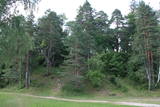 |
Atrodas 0,5 km ziemeļaustrumos no Dzērbenes baznīcas, ceļa otrajā pusē. Vizuāli izteiksmīgs pilskalns ar 50 x 50 m lielu plakumu, kura kultūrslānī atrastas vēlā dzelzs laikmeta apmetnes atliekas. Pilskalna rietumu nogāzē ir izveidots ceļš, pa kuru nonāksim līdz tā plakumam ar estrādi. |
|
 |
This is a segment of the shore of the Bay of Rīga that is around 40 km long and features the valleys of three major rivers – the Lielupe, Daugava and Gauja river. There are dune formations, biotopes, seashore meadows and forested seashore dunes which are an important recreational resource. |
|
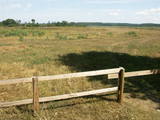 |
Periodically flooded flood-land meadows on the eastern and southern shores of Lake Burtnieks are an important nesting location for the rarely seen corncrake. A nature and information trail has been established at Vīsrags with directions, information stands and a viewing tower.
|
|
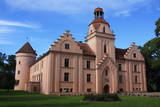 |
Во время Пилтенского епископства, в середине XIII в., был возведен замок типа конвента. Поздние пристройки замка возводились в XVI и XIX вв., создавая, таким образом, характерный для замка внутренний двор. В 30 года XIX в. фасад замка приобрел современные видимые неоготические формы. В период времени с XVI столетия до 1920 г. Эндольский замок был собственностью рода баронов Беров. После пожара в 1905 г. замок восстановили в течение двух лет. Известен историями о привидениях, о свадьбе гномов, о пятнах крови в Красной комнате замка, которые появлялись на месте убийства. Чтобы спрятать появляющиеся пятна крови, был построен камин, но пятна появлялись снова. После приватизации восстановлены интерьеры, залы, погреба, которые украшены характерными для замка элементами. Помещения замка и смотровая башня доступны для посетителей. В парке находится аллея Любви и дуб Гномов. |
|
 |
Отель расположен недалеко от моря в тихом месте, всего в нескольких минутах ходьбы от центра Экенеса в Расеборге. Рядом находятся рестораны, магазины, железнодорожный вокзал и пляжи. |
|
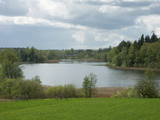 |
This restricted area protects the eutrophic Lake Istra and the biotopes that are alongside it – various kinds of forests and meadows. This is a particularly lovely part of the Latgale region. Interestingly, the so-called system of “rope farms” can still be seen in the nature park.
|
|
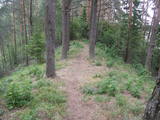 |
This is another so-called hill left behind by the Ice Age – five kilometres long with a height of between 15 and 30 metres and with high hillocks and steep hillsides. Te most distinct part of the hill can be found between Lake Pinti and Lake Šeški. The pine forests on the hillocks are a habitat with many rare and protected species. A trail has been established to tour Grebļa Hill, as well as Āža Hill and Kausu Hill, but it is recommended that visitors travel the trail in the company of a guide. The biological diversity of the area is made clear if one knows, for instance, that more than 500 kinds of butterflies have been found in the restricted territory.
|
|
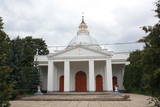 |
Atrodas Rīgas ielā 39. Dievnams celts 1848. – 1849. g. klasicisma stilā (arhitekts A. Štauberts), bet laikā no 1924. – 1934. g. pārbūvēts (A. Vizuļa projekts). Dievnama izskatu salīdzina ar Svētā Pētera katedrāles veidolu Vatikānā. Blakus baznīcai atrodas Rīgas ielas gājējiem domātā daļa. |
|
|
|
Во второй половине 19-го века между хуторами Дзени и Лиелкални на Видземском побережье образовалось одно из самых больших мест кораблестроения – бывшее место кораблестроения Кирбижи (позже – Витрупе), от которого по сей день ничего не сохранилось. С 60-х годов 19-го века по 1929-й год на этом месте было построено 28 кораблей. |
|
 |
Находится в Большом зале восстановленной господской усадьбы Лиепупе. Традиции приготовления старинных деревенских блюд объединяют с методами современной кулинарии. Сотрудничают с крестьянами. Зелень и пряные растения выращивают в саду господской усадьбы. Гости могут принять участие в приготовлении блюд на дровяной плите в старинной кухне. Латышская кухня: Канапе из черного хлеба, тарелка с латвийскими сырами, деревенский салат с зеленью, приготовленные на гриле сезонные овощи, бульон от господской усадьбы, блюда из своей рыбы, жареный свиной карбонад, запеченный с пряностями барашек. |
|
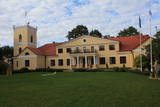 |
Atrodas 0,9 km ziemeļrietumos no Dzērbenes centra. Tagadējais muižas komplekss veidojies 14. gs. celtās un 1577. g. nopostītās mūra pils vietā. Muižas pils (18. gs. beigas, klasicisma stils) savā pastāvēšanas laikā piedzīvojusi vairākkārtīgu nopostīšanu (1905. g., Pirmajā pasaules karā) un tai sekojošu atjaunotni. 19. gs. beigās tai tapa piebūve – iespaidīgs četrstūru neogotikas stila tornis. Laikā no 1927. - 1975. g. pilī darbojās lauksaimniecības skola, tagad - Dzērbenes pagasta pārvalde, Tautas nams un mūzikas skola. Pili ieskauj parks ar septiņu dīķu kaskādi. No kādreiz iespaidīgā laukakmeņu žoga saglabājušies vien pils vārtu stabi. Dažādā stāvoklī (arī avārijas) atrodas citas muižas ēkas. 2010. gadā tika veikta pils iekštelpu un ārējās fasādes restaurācija. Iepriekš piesakoties, tiek piedāvāta gida vadīta ekskursija un piedzīvojums muižā iekārtotajā spoku kambarī. |
|
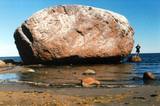 |
This is the largest rock in the Baltic States and, according to some sources, in all of the segment of Northern Europe which was affected by the last Ice Age. Its size is 930 m3! The rock is 7.5 m high, 16.5 m long and 14 m high, with a circumference of 48.5 m. The rock resembles a huge pebble from a distance, and it is on the sandy and rocky beach. Depending on the season, it can be out in the water. The Ice Age carried the rock to its current location from the southern shore of Finland. It is made of pegmatite.
|
|
 |
Мельница графа Борха.Неподалеку от вараклянского дворца граф
Борх в конце 18 века построил мельницу. На мельнице можно ознако-
миться с оборудованием минувших столетий для размола зерна.
|
|
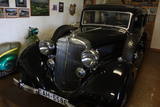 |
Pilsrundālē pa ceļam uz Rundāles pili var apmeklēt Retro auto kolekciju, kur apskatāmi 1939. g. automobiļi un dažādu laiku motocikli. Starp automobiļiem ir arī pasaulē šodien reti sastopami modeļi. Šī ir īstā vieta vēsturisko spēkratu cienītājiem! |
|
 |
Lapsu Mājas sieri tiek gatavoti Ogrē. Godinot latviskās tradīcijas, tos 2013. gadā kā mazais mājražotājs sāka siet Jānis Lapsa savā mājas virtuvē. Lapsu Mājas sieru gatavošanas process ir 101% roku darbs - sākot no sieru masas gatavošanas līdz pat iepakošanai. SieriMājas siers ar samazinātu sāls daudzumu no govs piena (pieejami ar 27 dažādām garšām). Šiem sieriem ir piešķirta kvalitātes zīme "Zaļā karotīte". Bezlaktozes mājas siers ar samazinātu sāls daudzumu no bezlaktozes govs piena. 2021. gadā kā pirmie Latvijā sāka ražot bezlaktozes mājas sierus no govs piena. Jāņu siers ar sviestu vai ar saldo krējumu. Kā top siersTā kā siers tiek ražots pilsētas teritorijā, piena produkcija tiek iepirkta. Sieriem ar samazinātu sāls daudzumu un Jāņu sieram produkcija tiek iepirkta no piena pārstrādes uzņēmuma “Straupe”. Bezlaktozes sieriem produkcija tiek iepirkta no AS “Jaunpils pienotava”. Savukārt olas tiek iegādātas no Ropažu zemnieku saimniecības “Rasas”. Apmeklētājiem
Kur iegādāties sierus
|
|
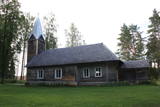 |
Расположена между озерами Банужи и Илзес. Считаетсяобразцом неповторимого деревянного строительства. Построена в 1780 г. Церковь возведена в технике строительства сруба и вплоть до начала 20 в. имеласоломенную крышу, которуюзаменили деревянной гонтовой крышей. |
|
 |
Предприятие уже 16 лет выпускает классических, медовых, ментоловых с имбирем и облепиховых сахарных петушков и другие кондитерские изделия, а также готовит сок из гриба весёлки, который издавна известен как народное лечебное средство. Покупка продукции. |
|
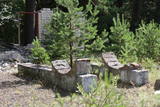 |
Овишский 521-й пост погранохраны находится в собственности Министерства обороны ЛР и является закрытой территорией для гражданских лиц. Интересующимся доступны только развалины отдельных зданий в дюнах.
|
|
 |
Место, где можно насладиться архитектурой Цесиса и трапезой в северном стиле. В творческом исполнении шеф-повара Вас ждут популярные продукты северных стран: форель, мясо лося и оленя, лисички, лесные ягоды, различные копченые и приготовленные с дымком блюда, а также блюда интернациональной кухни. |
|
|
|
Iespaidīga smilšakmens atsegumu virkne, kas
izveidojās pēc 2005. g. orkāna.
|
|


