
| Нo | Название | Описание |
|---|---|---|
 |
1996. g. atklātais piemineklis (tēlniece: A. Veinbaha) Dagdā (starp Asūnes un Rēzeknes ielām) ir piemiņas vieta komunisma terora upuriem. No šejienes paveras labs skats uz salām bagāto Dagdas ezeru. |
|
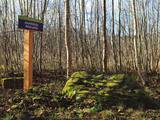 |
Яунсташульский камень чертова следа находится в деревне
Яунсташулю, в зарослях около заброшенных домов. Без знающего
человека это место трудно найти. Высота камня от земли 0,75 м,
окружность около земли 5,85 м. На его поверхности отпечатался человеческий след, длина которого
0,3 м, ширина 0,09 м, глубина 0,02. Был еще второй след, но, очевидно, откололся. В северный бок
камня как бы ударили три ступни.
|
|
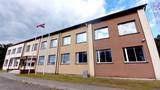 |
Хостел R 27 с общим лаунджем расположен в поселке Айпуте, в 200 м от экзотического сада Майрис Линде и менее чем в 1 км от таверны Castle. Хостел находится примерно в 11 минутах ходьбы от Каменного моста, менее чем в 1 км от пивоварни Manor и в 12 минутах ходьбы от Старого города Айппуте. Художественная галерея Ētras Māja находится в 1,1 км. |
|
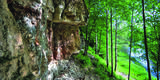 |
1,2 km garā taka atrodas netālu no vietas, kur Gauju šķērso Vidzemes šoseja (A 2). Izejot taku, var iepazīt vienu no Latvijas augstākajiem dolomītiežu atsegumiem – Randātu klintis, kas paceļas 25 m virs Gaujas. Taka ir apļaveida un tās apskatei nepieciešamas ~ 45 minūtes. |
|
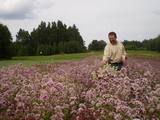 |
В хозяйстве выращивают и собирают ~ 80 лекарственных растений - мяту, ноготки, ромашку, душицу, зверобой, горькую полынь, овес, чабрец, подорожник, яруткуполевую, таволгу и др. Хозяин проводит экскурсию, рассказывает о лечебных растениях и их применении. Осенью предлагает приобрести лечебные растительные чаи. |
|
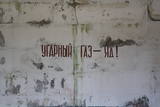 |
Дивизион Сталдзенской зенитноракетной бригады занимал обширную территорию с масштабным с точки зрения количества и величины комплексом зданий. Часть из строений находится в частном ведении, обустроена коптильня для рыбы.
|
|
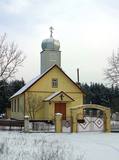 |
Моленная Малтской (Боровской) старообрядческой общины является
культурно-историческим памятником. Строительство храма началось в
1931, построен архитектором А. Грунцевичем.
|
|
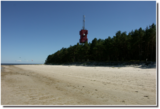 |
Рагациемский мыс – выступ западного
побережья Рижского залива,
заканчивающийся мелководьем и
каменистой подводной мелью на расстоянии
несколько сот метров от нынешнего
побережья. В конце мыса столбцы
Рагациемского маяка.
|
|
 4 дня
|
В мемориальном саду Эдварда Вирзы вы можете увидеть деревья, которым посвящены стихи. Э. Вирза был латышским поэтом и писателем, написавшим легендарный роман "Страумени" о жизни латвийских крестьян. Красивый замок 18-го века Мазмежотне был восстановлен семьей зернопроизводителей. Рундальский замок известен как жемчужина Латышского барокко и рококо, которая включает в себя парк французского стиля и розарий с более чем 2200 сортов роз. В усадьбе Брукна вы сможете осмотреть сад, который был построен как парк эпохи Возрождения, розарий и виноградник. В винограднике «Рудзитес» произрастают около 80 сортов винограда, в свою очередь в черносмородиновом саду хозяйства «Баниши» можно набрать вкусных ягод. Хозяйство «Гундегас» имеет красивый ландшафтный сад. В Варкавском парке находятся 200-летние дубы. «Риекстини» - это аутентичное хозяйство одной семьи региона Селии с особым духом и атмосферой. В Калдабруне вы посетите музей и художественную галерею сена, который расположен в сарае. Выращивание и селекция винограда было большой страстью Паула Сукатниека, и его мемориальный сад стоит посетить во время уборки урожая. Усадьба Двиете гордится своим ландшафтным парком 19-го века и каменным мостом. Даугавпилс - второй по величине город Латвии, известен восстановленной Даугавпилсской крепостью 19-го века и музеем Марка Ротко. Питомник по выращиванию деревьев Селии предлагает экскурсию по яблоневому саду, хранилищу для яблок и производственным помещениям. Насладитесь стаканом яблочного сока и историями производителей вина. В Беркенеле находится мемориальный дом Райниса – знаменитого латышского автора и общественного деятеля. Рокишкский краеведческий музей и усадьба являются одним из важнейших культурных центров Аукштайтского края. В саду сельского музея Людвики и Станиславы Диджилю собраны традиционные литовские сорта яблонь, цветов и растений. Мемориальный музей А. Баранаускаса и А. Виенолиса-Жукаускаса знакомит с культурой, литературой, историей, аграрной культурой и технической историей Аникщяйского региона. Традиционный литовский цветочный сад можно увидеть в Мемориальном музее Броне Буйвидайте. В Аникщяе можно прогуляться по тропе среди верхушек деревьев и по парку лабиринтов, а также отправиться в поездку по Аукштайтской узкоколейкой железной дороге. В Ботаническом саду Траупья вы найдете все, начиная с коллекции многолетних цветов и каменных садов, до часов из цветов и декоративных бассейнов с водными растениями. Интерьер поместья Тауенов украшен портретами семьи Радзивиллов, скульптурами, охотничьими трофеями и антикварным оружием. Прогуляйтесь по старому городу Укмерге и полюбуйтесь видом со старой пожарной башни. Хозяйство «Сурвилай» предлагает тропу для прогулок босиком, где можно пройтись по болотистой поверхности, поверхностям из сосны, торфа, глины, гравия, полированного стекла, сосновой хвои, соломы и по другим видам поверхностей. В Укмергском районе посетите Узугирскую усадьбу президента Антанаса Сметонаса, где в его честь оборудован мемориальный музей. В конце путешествия осмотрите Литовский музей под открытым небом, один из крупнейших (194 га) и богатейших (91 420 экспонатов) этнографических музеев под открытым небом в Европе. В Каунасском ботаническом саду университета Витаутаса Великого растут уникальные растения, обустроена самая большая оранжерея в Литве, старинные литовские клумбовые растения представлены по разным растительных группам в соответствии с ботанической классификацией. В хозяйстве Тадаса Иванаускаса у парка Обелинес вы сможете увидеть коллекцию из 300 сортов и видов растений, включая старейшее дерево - гинкго двулопастный. В Каунасе вы сможете увидеть самую старую - почти 360-летнюю - яблоню, высотой 8 метров, 285 см в обхвате на высоте 1,3 метра. Маршрут заканчивается в Каунасе, втором по величине городе Литвы, который был столицей 1920-1939 годов. |
|
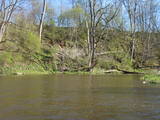 |
Small sandstone outcrops on the shores of the Ciecere River. Fish fossils have been found here.
|
|
 |
Моленная Ульяновской старообрядческой общины осно-
вана в 1875 году. Моленная не богата украшениями и не удивляет
своей архитектурой, но это то место, куда каждый может прийти
и исповедоваться.
|
|
 |
В полувековом бывшем здании «Ламини» художница предлагает занятия по рисованию и живописи - пейзажи и умиротворенная природа в технике масляной живописи. Природная тропа (3 км). |
|
 1 день
|
The smoke sauna is an important part of everyday life in the Võru community in Estonia. It is the centre of a rich set of traditions including the actual bathing customs, the skills of making bathing whisks, building and repairing saunas, and smoking meat in the sauna. The sauna is a building or room heated by a stove covered with stones and with an elevated platform for sitting or lying. It has no chimney, and the smoke from the burning wood circulates in the room. People usually go into the sauna together and remain until they are sweating. Water is thrown on the heated stones to produce hot steam-laden air and bathers beat their bodies with whisks to remove dead skin and stimulate blood circulation. After sweating, whisking, relaxing and possible healing procedures, people cool themselves outside and rinse their bodies with water. The procedure is then repeated. The smoke sauna tradition is primarily a family custom, usually practised on Saturdays, but also before major festivals or family events. Its main function is to relax the body and mind. Families take turns hosting each other. Usually an older family member is responsible for preparing the sauna, accompanied by the children who gradually acquire the necessary skills. The smoke sauna tradition is part of the UNESCO Representative List of the Intangible Cultural Heritage of Humanity. |
|
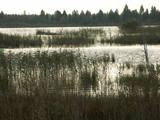 |
Peat moss has been extracted from the Seda heath since the middle of the last century, but it is nevertheless one of the most important NATURA 2000 territories in Latvia, with a great diversity of landscapes, biotopes and biology – birds in particular. This is a good place for bird-watching during migration season, and viewing towers have been set up on the edge of the swamp for this purpose.
|
|
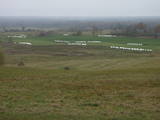 |
Elka Hill is one of the highest surfaces in the western part of the Vidzeme highlands, and it offers a lovely and broad view to the North. There is a small parking lot, a TV and radio tower, and the place where the Gauja River is thought to originate.
|
|
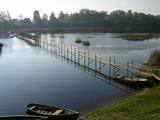 |
Одно из редких мест в мире, где по-прежнему в промышленном масштабе ловят миногу, используя старинный метод, которому более 150 лет – закол, т.е. через реку построены мостки с мережами. На Салаце таких три. В сопровождении местного рыбака можно увидеть процесс рыбной ловли, отведать и на месте приобрести жареную миногу. |
|
 |
Находится в историческом центре Лигатне (около пруда), в здании, где делалась первая лигатненская бумага. Латышская кухня: Строганов по-Видземски, приготовленная на гриле колкская салака, приготовленная на гриле свинина, аматская форель, картофельные блины с деревенской сметаной, домашние блины с варением, пиво и квас. Особое блюдо: Десерт «Лустузис». |
|
 |
Находится в центре Мадоны. В приготовлении блюд используют фрукты и овощи из собственного хозяйства. Латышская кухня: Холодный свекольный, щавелевый суп и суп с лисичками, серый горох с салом, селедка, ячменная каша со шкварками, грибной соус, варенье (семь видов), круглый год десерт из малины или клубники. Тонкие блины с картофельной, тыквенной, яблочной и рабарбаровой начинкой, сырники. Домашние соки, травяные чаи, коктейли из мороженого. Особое блюдо: Домашний бисквитный пирог со свежими ягодами. |
|
 3 дня
|
The tour starts at Jaunmokas Castle estate, where you will also find the Forest Museum. The pride of the castle is its unique painted tile stove (beginning of the 20th century) made of 130 painted tiles featuring 50 different views of the cities Rīga and Jūrmala. The Forest Trails runs along smaller tracks through the Austrumkursa Uplands, the valley of the river Slocene, along Lake Sekļa and Lake Jumprava to finally reach the town of Tukums. Well, the town takes pride in its pots, planters and flower beds with blooming roses along its streets. Next, the route meanders through forests to the demanding hillock of Milzkalns and Lake Valguma, where you will find the barefoot trail and a secluded art space within the woods. The Forest Trail continues to make a stopover at the Ķemeri National Park. The park is dedicated to protection of wetlands, since it is home to one of the largest marshlands of Latvia – the Great Ķemeri bog. As to the town – Ķemeri – it is the former balneological and sulphur springs resort. The tour ends in the village of Bigauņciems, where the Forest Trail joins with the Baltic Coastal Hiking Route (E9 European long distance path). Optionally, one can take a detour along the Lake Sloka trail with its bird-watching tower or pay a visit to the “Forest House” – the visitor’s centre of the Ķemeri National Park. |
|
 | ||


