
| Нo | Название | Описание |
|---|---|---|
 |
Корчма находится в историческом центре города Екабпилс, недалеко от Даугавы. Известен экзотическим выбором блюд. Латышская кухня: Сырный салат, суп из боровиков, горшочек с курицей или свининой, клубничный суп с мороженым. |
|
 |
Крестьянское хозяйство «Иесалниеки-1» находится в Плявиньском крае Виеталвской волости. Основная сфера деятельности хозяйства – выращивание зерновых (рапс, ячмень, пшеница и травы). Общая площадь – 180 га. Интересен тот факт, что оба брата ведут хозяйство вместе и общими силами обрабатывают более 800 га. |
|
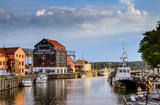 |
The former Memele. The only port city with a old town in Lithuania. |
|
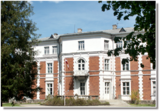 |
Ансамбль господской усадьбы «Бебрене» (стиль барокко) создан в конце 19 - начале - 20 веков. Главная доминанта комплекса – построенный в 1896 году (архитектор Л. И. Л. Маркони) господский дом графов Платеров - Зибергов, в помещениях которого разместилась Бебренская средняя школа. До наших дней сохранились роскошные ворота и каменный забор необычного вида. Поместье окружает парк с партером регулярной планировки и богатыми посадками чужеземных видов древесных растений.
|
|
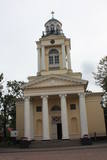 |
Lai arī dievnama pirmsākumi meklējami 18. gs. sākumā, tā celtniecību (arhitekts Johanns Eduards de Vite) pabeidza viena gada laikā 1834. – 1835. g. (vēlīnā klasicisma stils). Būvniecības darbus finansēja Krievijas cars. Gan baznīcas atrašanās piejūrā, gan arī tās nosaukums liecina, ka tā celta, godinot Svēto Nikolaju, kas ir visu jūrnieku un zvejnieku aizbildnis. Baznīca apskatāma arī no iekšpuses, kur uzmanība jāpievērš ērģelēm un altārgleznai (1888. g.). |
|
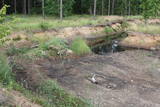 |
Nature restricted area has been established in old and overgrowing gravel pit and where rare species in Latvia - Natterjack toad (Bufo calamita) can be found. Natterjack toad needs open sand – gravel area therefore the population of it is decreasing once gravel pit is overgrowing by bushes. The population of this amphibian is depending on the activity of people in the area. There is very little chance to find Natterjack toad just by entering the restricted area, therefore please respect this area as especially sensitive.
|
|
 |
Находится в гостинице Promenade Hotel, обустроен в исторических портовых доках. Сотрудничает с крестьянами и рыбаками. В конце недели проводятся музыкальные мероприятия. Латышская кухня: Суп из баранины, жареное филе камбалы или сома, приготовленная по традиционному рецепту рыбаков треска, тонкие блинчики. Особое блюдо: Доставленный рыбаками улов с овощами, приготовленными на гриле. |
|
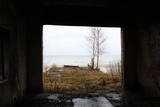 |
Окинув сегодняшним взором, кажется невероятным, что какие-то двадцать лет тому назад на побережье располагались специально построенные сооружения с мощнейшими прожекторами, которые в темное время суток по специальным рельсам выталкивались на платформах с целью освещения близлежащей морской акватории и пляжа в поисках потенциальных нарушителей границы. От упомянутого объекта сохранились только развалины сооружений и прилегающей платформы, над которыми здорово потрудились волны моря.
|
|
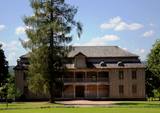 |
Место, где стояла усадьба Куртувенай, окружено старым парком геометрически-пейзажной планировки. Во второй половине XIX в. парк отличался ландшафтным стилем (т. е. повторял естественный природный ландшафт) с некоторыми элементами геометрической структуры. Территория парка составляет 4,2 га. Здесь до сих пор произрастают старые липы, клены, ясени, дубы, другие декоративные деревья и кустарники — в целом более 20 пород древесных растений |
|
 |
В мастерской, которая обустроена в сельском дворе, ткут одеяла, ковры, дорожки для пола, скатерти, подушки, плетут корзины, подносы и сувениры, на заказ делают народные костюмы, демонстрируют процесс ткачества и плетения из прутьев. |
|
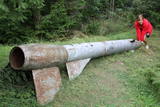 |
Der weiteste Nordpunkt der Juminda Halbinsel mit einer Raketen-Attrappe der Sowjetarmee, der alten Grabstätten, dem Juminda-Leuchtturm und einem Denkmal für die Opfern des Zweiten Weltkriegs. |
|
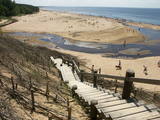 |
С дюны открывается красивый вид на море, устье реки Инчупе и широкий пляж. Белый песчаный холм дюны высотой 18 метров в древности служил ориентиром для местных рыбаков. Здесь установлено несколько объектов для осмотра: “Ворота”, мама-ежиха Фрида и заяц Фредис, которые побуждают людей не мусорить, а также дорожка насекомых и др. От Белой дюны до центра Саулкрасты вьется 4-километровая тропа Заката. |
|
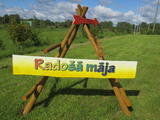 |
Здесь общество „Балтайне” организует семинары, курсы и занятия о латышских национальных праздниках, семейных традициях, проводит мастер-классы кулинарного наследия, а также организует игру на музыкальных инструментах и показывает различные виды рукоделия – плетение, вязание спицами и крючком, прядение. Хозяйки готовят вкусные супы, каши, травяные чаи, кофе из цикория, пекут торты и пироги. Здесь можно учиться народным танцам, играм и пению. Здесь предлагают также свадебный постановки. |
|
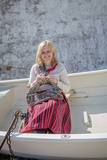 |
В Elly делают домашнее мороженое, а также предлагают ночлег и вкусный домашний завтрак. |
|
 |
Хозяйство «Межвиди» (ООО «Латгалес дарзеню логистика») свою деятельность начало уже в 2007 году и в данный момент предлагает вкусные и полезные красные томаты на веточках. Хозяева хозяйства «Межвиди» и в дальнейшем планируют выращивать томаты и доставлять покупателям непосредственно в зимние месяцы, когда полезные и богатые витаминами овощи более всего необходимы. Стиль работы предприятия открыт для активного содействия сотрудничества представителей в области овощеводства и ознакомления общества с процессом выращивания томатов. |
|
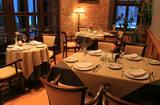 |
В историческом центре Гулбене ‒ в восстановленном здании конского манежа усадьбы Вецгулбене, который раньше являлся крупнейшим крытым манежем в странах Балтии, ‒расположена четырехзвездочная гостиница и ресторан. Посетителям предлагается обширное сезонное меню и бизнес-ланчи. Латышская кухня: Холодный летний суп, стейк из бедра барашка, маринованная нога кролика, жареная голень утки, клубничный суп с мороженым. |
|
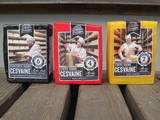 |
Цесвайне славится старинными традициями сыроварения, так как «Цесвайнес пиенс» образовался на базе сыроварни имения Цесвайне. Предприятие производит масло, творог, сыр, домашний сыр, сметану. Продукцию можно приобрести в магазине „Pie Arkas” рядом с производством. |
|
 |
This is a segment of the shore of the Bay of Rīga that is around 40 km long and features the valleys of three major rivers – the Lielupe, Daugava and Gauja river. There are dune formations, biotopes, seashore meadows and forested seashore dunes which are an important recreational resource. |
|
|
|
Atrodas Kokneses tūrisma centra telpās (1905. gada ielā 7). 160 cm garais un 120 cm augstais makets ir Vittingenas (Vācija) dāvinājums Koknesei, atzīmējot 10 gadu sadraudzības jubileju. Šāda Kokneses pils izskatījās ap 1701. gadu. |
|
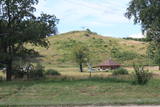 |
Ap 0,5 km ziemeļaustrumos no Stukmaņu muižas – Daugavas ielejas labajā krastā atrodas Vīna kalns – sens pilskalns. Tajā atrodas izpostītie Stukmaņu muižas īpašnieku kapi. Mazliet tālāk redzams klajš upes ielejas nogāzes posms, kurā savulaik darbojās slēpošanas trase. |
|


