
| No | Name | Description |
|---|---|---|
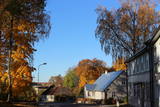 |
Durbe is the smallest town in Latvia with a distinguished history, as well as the smallest city in the country in terms of population (some 500 residents). Durbe was first mentioned in a Courlandian document. In 1260, there was a legendary battle at Durbe between the joint forces of the Livonian Order and the German Order and local tribes, including Courlandians who left the German forces to join the tribes. One of Latvia's first professional gardeners, Sīmanis Klevers (1834-1922) lived and worked in Durbe, and it is thanks to him that the local gardens feature many rare types of apple trees. The herald of Durbe, which was approved in 1925 features a silver apple tree. Several local farms have fruit orchards, and there are many active gardeners. An apple festival is held each September in Durbe. |
|
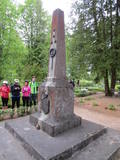 |
Near Karva along the old Alūksne-Ape road, the monument was unveiled on November 12, 1937. It was designed by the architect Verners Vitands and contains the text “Soldiers from the Valmiera Brigade who fell during Latvia’s liberation battles in 1919; I rested my head on the moss and defended my fatherland.” The monument was torn down in 1975 and restored in 1944. |
|
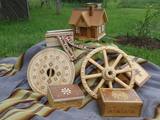 |
The workshop and “Dream Hut” exhibition hall at this venue offer a look at turned wood products such as candelabras, dishware, beer steins, vases, glasses, mortars and pestles, small boxes, wooden paintings, etc. You can commission and purchase products and watch the master at work. |
|
 |
The factory produces milk candy “Gotiņa”, toffee, sherbet, marmalade and candy cream from natural ingredients. We obtain fresh milk from local farms; other ingredients for the production process are obtained in the surrounding area. Each piece of candy “Gotiņa” is hand-wrapped. |
|
 |
The owners grow shitake mushrooms and offer tours with information about how mushrooms are grown and what their nutritional properties are. Mushrooms can be bought, and consultations are available. The owners also offer other types of biological farm produce, as well as honey. |
|
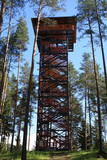 |
Atrodas 6,5 km ziemeļos no Cirgaļiem, P 23 ceļa malā, Ziemeļgaujas aizsargājamo ainavu apvidū. Torni vērts apmeklēt pavasara laikā, kad no tā redzamas applūdušas Gaujas palienes. |
|
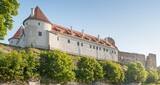 |
One of the most important military and political elements of the Livonian Order, the Bauska Castle was built between 1443 and 1456 at the place where the Mūsa and Mēmele rivers flow together. The castle had five towers and walls that were up to three metres thick. Between 1580 and 1596, the forecastle was replaced with a residence for the duke of Courland, and its walls were finished with the sgrafito technique. The castle suffered damage during wars in the 16th and 17th century, but it was always restored until 1706, when the Russian military blew it up during the Great Northern War. Today the castle houses a museum, with a viewing platform in its south-eastern tower. |
|
 |
This company is proud of more than 100 years of history. Today it is the third largest cheese manufacturer and sixth largest dairy processing company in Latvia. It partners with some 150 Latvian providers of high-quality milk. Smiltenes Dairy is the only one to manufacture “Latvian Cheese.” The company’s products have been awarded the “Green Teaspoon” award. Smiltenes Dairy exports products to five countries in the world and has a nearby store where you can purchase its products. |
|
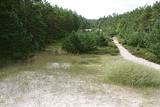 |
A shooting range which isn’t really there anymore, but it was once
used for training purposes by the Soviet military. Right now you will see
an overgrown area of land which stretches from the seashore to the
Kolka-Ventspils road. That’s where the shooting range was located.
|
|
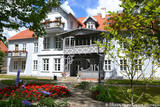 |
The Šilute Estate is often described on the basis of its last owner, Hugo Scheu, who bought the estate in 1889. He restored the estate's buildings and territory, also installing two parks, one for the estate, and the other one known as the "raven forest." Alongside the estate is an English-type park with strolling trails. The park is used by local residents and is on both sides of the curvy Scheu River, with the banks connected by pedestrian bridges. He park stretches to an old railroad bridge and has approximately 150 types of plants, including 40 types of trees and shrubs. |
|
 |
“Rūme” - vieta Sēlijā, Zasā, kur tiekas radoši amatnieki un īsti Sēlijas zinātāji, kas lepojas ar savu sēļu mēli un sēļu tērpiem. Tieši šajā amatniecības centrā bieži vien amatnieki atrāda savus darba augļus, un cilvēki pulcējas uz dažādiem pasākumiem. |
|
 |
As part of the Hotel Jelgava, the restaurant serves traditional Latvian dishes, as well as others. Musical evenings are organised. Latvian cuisine: Steak of Latvian-bred ostrich. Special foods: Corn chicken with spinach-potato mash and grilled new carrots. |
|
 |
No ūdens tūrisma attīstības centra „Bāka” skatu laukuma, kas atrodas Lubāna ezera ziemeļdaļā pie V 560 autoceļa, paveras viens no labākajiem Lubānas ezera skatiem. Redzams milzīgais Latvijas lielākā ezera klajs un Kvāpānu – Īdeņas zivju dīķu ar dambjiem ainava. |
|
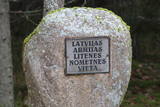 |
Название Литене связано с одной из трагических страниц истории Латвии. В 20 - 30 года XX века недалеко от Литене находился летний лагерь латвийской армии, где летом 1941 года против латышских офицеров был направлен террор коммунистического режима: почти полтысячи офицеров латвийской армии были высланы в Норильск, Сибирь, часть была расстреляна и тайно похоронена в ближайшем лесу. В конце лета 1941 г. армия гитлеровской Германии расстреляла здесь около 300 гражданских жителей, главным образом евреев. В наши дни в честь памяти погибших увековечены места памяти. |
|
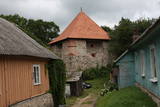 |
Pussalas pils pirmsākumi ir meklējami 14. gs. Tajā laikā minētā pils bija viena no lielākajām šāda tipa aizsardzības pilīm. Pēc Traķu un Viļņas ieņemšanas 1382. g. pils kļuva par Ķēstutu (Kęstutis) - Lietuvas dižkunigaišu dzimtas dzīves un valdīšanas vietu. 1655. g. Polijas – Lietuvas lielvalsts un Krievijas kara laikā pili nopostīja. Līdz mūsdienām no iespaidīgās celtnes (aizņēma 4 ha platību) saglabājušās tikai no laukakmeņiem celtā aizsargmūra un torņu paliekas. Tās iekšpagalmā ir apskatāma efektīvā viduslaiku ieroča – katapultas atdarinājums. |
|
.JPG?size=160) |
This park was established mostly to protect a wide range of cultural and historical objects such as the Trakai lake castle, the ancient Trakai cloister, the Užutrakai castle, the Bražole castle hill, the heritage of ancient local tribes, etc.
|
|
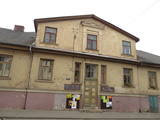 |
В исторических документах Салдус уже упомянут в 1253 году. До XIII века здесь находился старинный замок куршей Salden (Салден), который отображен на гербе города. Примерно в 1341 году недалеко от городища куршей построил замок Ливонский орден, вокруг которого образовались поселение. Своего расцвета, подобно другим населенным местам Курземе, город достиг во времена герцога Екаба, в 1642 - 1682 гг. В качестве года основания Салдуса упоминается 1856 год, когда начались работы по восстановлению разоренного Северной войной места. В конце Второй мировой войны у города проходили тяжелые бои, и вплоть до 8 мая 1945 года город оставался в оккупированной немецкой армией части Латвии. Современный Салдус привлекает своими мероприятиями - днями города, фестивалем музыки «Салдус саулес» («Салдусское солнце»), а также многими туристическими объектами, среди которых упоминается а/о «Друвас партика», где можно наблюдать за процессом приготовления мороженого, и Салдусский пищекомбинат, где можно попробовать вкусные конфеты «Коровка» и понаблюдать за производственным процессом. |
|
 |
Based on the tower of a former Soviet army radar installation, there is an 18-metre viewing tower at the Southern breakwater of Ventspils (Medņu Street) today. The tower offers a good view of the port territory, with the sea gate at the mouth of the Venta River and the city beach. Binoculars are available at the tower. It is worth walking down the Southern breakwater to get a better look at the sea.
|
|
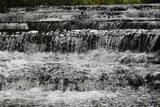 |
Krāčains Lobu upes (Loobu jõgi) posms pie Joaveski ciema, kur ~ 160 m garumā upes gultnē, tai šķērsojot Ziemeļigaunijas glintu, izveidojušās izmēros nelielas, tomēr ļoti ainaviskas un skaistas 0,5 – 1 m augstas ūdenskritumu kaskādes. 1898. g. šeit uzcēla hidroelektrostaciju, kuras atliekas ir redzamas upes labajā krastā. Iecienīta pavasara laivotāju treniņu vieta. |
|
 |
Братское кладбище Лачукрога –
кладбище павших во время Первой мировой
войны.
|
|


