
| Нo | Название | Описание |
|---|---|---|
 12 дней
|
Продолжительность этого маршрута 9 дней с возможностью продления на 12 дней. Целевая аудитория для этого маршрута - самостоятельные путешественники с такими перевозками, как велосипед и каноэ. Общая длина составляет ~ 446 км на велосипеде и ~ 7 км на байдарках. Маршрут: Рига - Национальный парк Гауя - Отепаа - Река Ахья - Тарту - Национальный парк Лахемаа - Таллинн. |
|
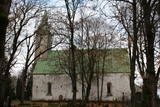 |
Vienīgā baznīca nacionālā parka teritorijā. Tā atrodas Kirblas (Kirbla) ciemā – uz neliela pacēluma, kas Baltijas ledus ezera laikā bijusi sala, kuru no visām pusēm ietvēris ūdens. Kirblas baznīcas pirmsākumi ir meklējami 16. gs. un par tās celtniecību saglabājušies dažādi interesanti nostāsti. Tas ir viens no mazākajiem Igaunijas dievnamiem (29 x 11 m). |
|
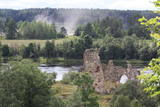 |
Находятся на правом берегу Даугавы, где речушка Карикстес впадает в Даугаву. Замок, от которого сегодня сохранились только остатки стены и фундамент, был построен в 1224 году. Замок был обжит до середины 17 века, когда во время Польско - шведский войны здание было разрушено. Прекрасный вид на развалины замка открывается с дороги (гравийной), которая простирается вниз по правому берегу долины Даугавы. |
|
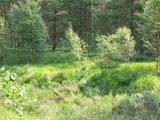 |
The word grīnis in Latvian refers to a very unusual type of forest – pine trees growing on sandy soil. There are two types of this environment – the heather type and the grass type. This is the result of long-lasting interaction between nature and humankind, and such sites are found in just a few places along the shores of the Baltic Sea in Latvia. A very rare plant which grows in the area – cross-leaved heath – was the main reason why a nature reserve was established here in 1936. An abandoned former rail line between Ventspils and Liepāja crosses the reserve from the North to the South. Visits to the reserve are strictly prohibited. |
|
 |
Расположено в центре Вентспилса рядом с Ратушной площадью. В приятной атмосфере можно насладиться традиционными блюдами латышской кухни. |
|
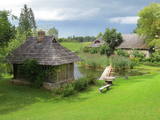 |
Дружественное для окружающей среды (и натуральное) хозяйство, где можно получить полезную информацию и приобрести произведенную на месте сельскую продукцию. На этнографическом хуторе можно заявить о своем желании принять участие в празднике солнцестояния и получить удовольствие от сельской бани. |
|
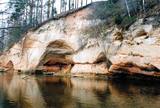 |
This is one of the most beautiful ancient river valleys in Estonia – 12 km long with nearly 40 revealed Devonian sandstone cliffs. Among these, the most important ones are Viira müür, Kalamatu müür, and Põdramüür.
|
|
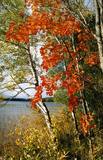 |
This area protects the landscape of the Lielauce hillocks, which are a part of the Eastern Kurzeme highlands. Lake Zebrus and Lake Svēte are in this territory. On the north-eastern shore of Lake Zebrus one can see the Ezerlūķi castle hill. On the eastern shore of the lake is a boating area, along with a viewing tower and a set of information about the area. The territory includes protected biotopes such as stream swamps and swampy forests, along with protected birds and species of bat. |
|
 |
Einen malerische Sandsteinfelsen bis 600 m lang und 21 m hoch am linken Flussufer vom Gauja. |
|
 |
Kalakuningad предлагает копченую рыбу прямо из коптильни, а в сезон ‒ свежую и маринованную рыбу с разными соусами. Продукты можно купить на рынке в Пярну в магазине Kalakuningad, а также непосредственно на месте их приготовления ‒ в Lindi (поселок Pärnumaa). |
|
 |
Ogu un augļu dārzs, dažādu ievārījumu, sulu, sīrupu ražošana un tirdzniecība.
|
|
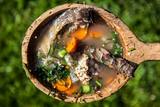 |
Во время эдукационной программы приготовления ухи согласно столетним традициям рыбаков края Восточной Аукштайтии гостей знакомят с древними обычаями питания жителей Восточной Аукштайтии, с образом жизни и традициями с XIII в. В усадьбе также можно ловить рыбу, собирать грибы, ягоды. |
|
 3 дня
|
Это один из 6 маршрутов путешествий в серии «Насладитесь деревней!», который приглашает Примерное время прохождения маршрута: четыре – пять дней, в зависимости от количества выбранных достопримечательностей и времени, отведенного для их осмотра. |
|
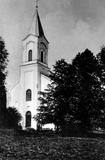 |
The first building of the church was built in 1641. The fourth building of the church was only built in 1856 – during the times of Pastor Johann Wilhelm Knierim. Its altar painting – The Crucified Christ (Golgotha) was painted in 1856 by Jozeps Millers, who was influenced by the altar piece in Munich Louis Church created by his teacher Peter Cornelius. An epitaph of Baroness Auguste Amalija von Pistohlkros, the sister of the owner of Bīriņi Manor and the patroness of the church, was immured in the memorial wall. Construction of the tower was completed on 11 June 1856, as evidenced by a memorial plaque on the wall of the church with an inscription “Erbaut von August Pistolkors 1856”. The church was consecrated in 1864. And a year later an organ by Martin Company with 8 registers, which was extended to 14 registers in 1903, was installed in the church. Unfortunately, the organ was destroyed in WW2. Saulkrasti (Pēterupe) Evangelical Lutheran Church survived both World War 2 and the Soviet period. The Soviet era was one of the most difficult times for the church, because many churches in the area were destroyed, pastors were discharged and the congregation fell apart. The Pēterupe congregation remained. As an architectural monument the church was lucky enough to undergo roof repairs of the tower even during Soviet times. Funds were granted by the Chairlady of the Executive Committee Ņina Manzūrova. |
|
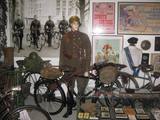 |
This collection contains bicycles from five different armies and five different eras in the history of Latvia. They include a World War I bicycle from the Russian Empire, a bicycle from the Latvian army, two World War II German bicycles, and a Monark-brand military bicycle from Sweden that was donated to the renewed Latvian army in the 1990s. The exhibition also features items that are related to the use of military bicycles – seals, awards, and information about the bicycle units of Latvia’s Home Guard.
This is the only bicycle museum in Latvia, and its exhibits are unique, as well.
|
|
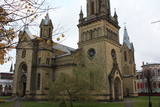 |
Atrodas starp Kr. Valdemāra un Kuršu ielām. Viena no iespaidīgākajām un greznākajām pilsētas celtnēm, kas būvēta neoromantikas formās. 19. gs. beigās katoļu draudze nevarēja saņemt atļauju jauna dievnama celtniecībai, tādēļ uz vecās ēkas uzbūvēja jaunu, kur vecā baznīca tapa par lielākās ēkas sānu kapelu. Baznīcas sienas un koka griestus rotā attēli ar Bībeles sižetiem. Dievmātes kapelā saglabājies mazās baznīcas (no 18. gs.) centrālais altāris. Baznīcas griestos ir iekārts burinieka modelis, ko dāvinājuši vētras laikā izglābušies jūrnieki. |
|
 |
This viewing tower is on a narrow peninsula among Lake Lukna, Lake Višķi, and Lake Boltars. From it, you can see all three lakes, the hillocks of the area, as well as Ambeļi and Višķi. Come here when the bird-cherry trees are in bloom!
|
|
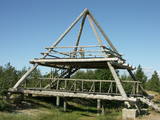 |
This is the only viewing platform of its kind. It is north of Pāvilosta, between the sea and Latvia’s largest gray dune. The second level of the platform offers a good view of the habitats which surround the dune, as well as the seashore and the largest seashore rock on the shores of the Baltic Sea – the Pāvilosta sea rock. You can also see the northern part of Pāvilosta. When it is windy outside, you’ll see kiteboard riders showing their tricks.
|
|
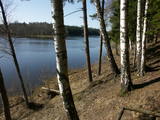 |
Озеро Валгума – протяженностью до 3
км в длину и глубиной 27 м озеро
образовалось в субгляциальной рытвине
(ледниковое).
|
|
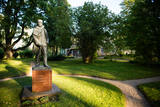 |
Мемориальный музей Эдуарда Вейденбаума (1867 –1892) был создан в 1959-м году на хуторе «Калачи», где с пятилетнего возраста жил, а также умер выдающийся латышский поэт и переводчик. Рядом с музеем построен выставочный зал, в котором организуются тематические выставки. В саду музея в 1961-м году был открыт памятник Э. Вейденбауму, созданный скульптором Лаймонисом Блумбергом. Рядом сохранилась клеть, в которой Э. Вейденбаум жил в летнее время. Поэт похоронен на Лиепском кладбище. |
|


