
| Нo | Название | Описание |
|---|---|---|
 |
Atrodas Liepājā, E. Tisē un Lauku ielas krustojuma galā. Pa Ezera laipu (Liepājas ezera palieņu pļavas) var nokļūt līdz putnu vērošanas tornim, no kura labi pārlūkojama ezera ziemeļdaļa. Laba putnu vērošanas vieta. Ietilpst Liepājas ezera dabas lieguma teritorijā. |
|
 |
No 28 m augstā torņa, kas atrodas uz apdzīvotas „salas” – Siksalas Teiču purva vidū, paveras ļoti plaša augstā purva ainava ar Siksalas ezeru, citām minerālzemes salām un Siksalas mazciemu. Tā kā tornis atrodas Teiču dabas rezervātā, to var apmeklēt tikai Dabas aizsardzības pārvaldes inspektora pavadībā, iepriekš piesakot vizīti T: + 371 28333415. |
|
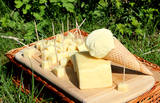 |
Кафе на летней террасе, которое находится на пляже пруда Прейльского парка, предлагает 100% натуральное домашнее мороженое с ягодами. На месте пекут свежие блины «Пампукас». Кафе работает только во время сезона со Дня матери (8-е мая) до Дня отца (11-е сентября). Для туристических групп предлагаются экскурсии и дегустация мороженого с сыром. |
|
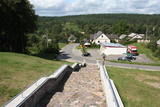 |
Eine alte Ortschaft am linken Ufer des Flusses Nemunas. Liškiava-Kirche und Kloster, heiliger Berg und Burgberg mit den Ruinen der am Ende des 14. Jh unter Leitung von Vytautas der Großen gebauten Burg. Ein Kultstein mit einem Kühstapfen.
|
|
 |
Ресторан Kest предложит Вам отправиться в настоящее гастрономическое путешествие. Вот уже более двух десятилетий шеф-повар Марис Янсонс готовит различные блюда, делая одно гастрономическое открытие за другим. |
|
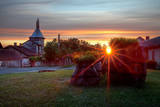 |
Tiek uzskatīta par vecāko alus darītavu Ziemeļeiropā. Tā tika uzcelta 1878. gadā, un tās pirmais īpašnieks bija grāfs Emanuels fon Zīverss (Sievers), Cēsu pils muižas saimnieks. Savukārt 1922. gadā alus darītavu pārpirka Cēsu uzņēmēji un sāka tur ražot arī vīnu, sulas un minerālūdeni. Uzņēmums "Cēsu alus" šeit alu un atspirdzinošus dzērienus ražoja no 1976. līdz 2001. gadam, bet šobrīd tas ir pārcēlies uz jaunām telpām. Šobrīd ēkā tiek organizētas dažādas izstādes, kā arī ēku var apskatīt no ārpuses. |
|
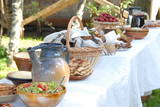 |
Место отдыха находится в историческом местечке «Кони» поселка Папе Южного Курземе. Место для ночлега - клеть, историческая постройка с тростниковой крышей, приспособленная для проживания поздней осенью / летом / ранней весной. 3 комнатки + небольшая передняя и кухня на двух этажах. Предназначена для 8 человек. Идеальное место для проведения творческих лагерей, пленэров, мастерских и других культурных мероприятий. Места для палаток, где можно принять до 80 человек. Двор «Микьяну» в сотрудничестве с группами по интересам «Клуба традиций Руцавы» предлагает по предварительной договоренности попробовать блюда местной традиционной кухни – «селедку на углях», белое масло с вареной картошкой, риезу (картофельную запеканку с луком и салом, а иногда и без мяса), уху и др. Предложение распространяется только на группы, по предварительной договоренности. |
|
 |
Amatnieku biedrība un dāvanu veikals “Pūralāde” atrodas Kandavas vecpilsētā, blakus promenādei. Veikaliņš piedāvā iegādāties Latvijas meistaru un mākslinieku radītos darbus gan dāvanām, gan savām mājām. Amatnieku biedrība organizē dažādu amatu apmācības un radošās darbnīcas. |
|
 |
Бистро, парк аттракционов, магазинчик лакомств, кондитерская и ресторан для бранчей по выходным ‒ расположены на берегу Гауи, на обочине шоссе А3. Латышская кухня: Холодный суп, грибной суп, серый горох, тушеная капуста, мясные котлеты, блюда из рыбы, пойманной в Латвии, мороженое собственного приготовления и травяные чаи. Особое блюдо: Рамкалнский домашний торт. |
|
 |
Together with Valga on Estonian side - a peculiar frontier twin town. |
|
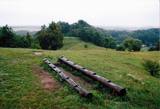 |
In the central part of the Žemaitija Highland, this park was established to protect local landscapes. Lithuania’s highest hillocks are found here – Mėdvegalis (235 m above sea level) and Šatrija (229 m). There are also other hillocks which offer a great view of the area – make up your own tour here.
|
|
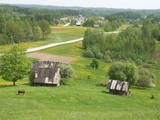 |
One of the most distinct sub-glacial depressions in Latvia, with 11 lakes of various sizes and depths. This is a magnificently lovely territory, with particularly good views from the Drusku castle hill. On a clear day, one can even see the Hanja highlands of Estonia. The restricted territory was set up to protect boreal and hillside forests I the area.
|
|
 2 дня
|
Это один из 6 маршрутов путешествий в серии «Насладитесь деревней!», который приглашает посетить «Дары села» – хозяйства и предприятия всевозможных видов и отраслей, которые открыты для посетителей и предлагают экскурсии, попробовать, осмотреть и приобрести свои изделия. Там можно увидеть домашних животных, современные сельские хозяйства, мастерские ремесленников, приобрести сельскохозяйственные продукты – хлеб, мед, домашнее вино и пиво, сыр, ягоды, фрукты, рыбу, мясо, овощи, чаи и другие, выращенные в деревне дары. По дороге можно отобедать в сельских корчмах. Примерное время прохождения маршрута: три - четыре дней, в зависимости от количества выбранных достопримечательностей и времени, отведенного для их осмотра. |
|
 1 день
|
Dodieties ekskursijā, lai gūtu ieskatu lauku profesijā un dzīvesveidā, kā arī iegūtu jaunus iespaidus un labu atpūtu visai klasei. Ekskursijas laikā apmeklējiet kokapstrādes darbnīcu, kurā ražo visu saimniecībā nepieciešamo – solus, galdus, pakaramos, virtuves piederumus, pirts baļļas, mucas, lieliskus suvenīrus no koka u.c. Pēc tam apmeklējiet zemnieku saimniecību, kura ir viena no lielākajām un modernākajām zemnieku saimniecībām Zemgalē. Izbaudiet pusdienu pikniku Tērvetes dabas parkā. Ekskursijas noslēgumā dodieties uz maizes ceptuvi, lai izzinātu maizes cepšanas arodu, degustētu un iegādātos maiznīcas izstrādājumus. |
|
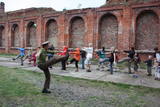 |
В Европе и, предположительно, в мире - уникальный комплекс военных строений, который находится между Балтийским морем и Лиепайским и Тосмарским озерами. Крепость (заплатили 45 миллионов золотых рублей) начали строить в конце XIX века по приказу русского царя Александра III. Она состояла из строений военного городка и фортификационных построек - для позиций пушек, бункеров, пороховых погребов, системы каналов, узкоколейной железной дороги и др. В 1908 г. в соответствии с новой оборонной концепцией России крепость прекратила функционирование, так как строительство крепости было признано стратегической ошибкой. Подземные сооружения и погреба во время Первой мировой войны пытались взорвать, но это не удалось. Отдельные элементы крепости имели большое значение в освободительных боях за Латвию. До сегодняшних дней сохранились отдельные части крепости – Северные форты, Средний форт, Восточный форт, Южный форт, защитные береговые батареи (№ 23, 3), редан, люнет и др. Большая часть из них не благоустроены, поэтому осмотр их отдельных частей может быть опасен. Северная часть бывшей крепости включает Военный порт (Караоста), который пережил семь разных армий и властей. В советское время Военный порт был закрытой и недоступной зоной для гражданского населения. Здесь находится много прекрасных памятников военной истории и полюбившаяся туристам тюрьма Военного порта. |
|
 |
Алейская хлебопекарня и гостевой дом расположены в 0,5 км от центра Руцавы. Здесь в дровяной печи пекут хлеб на натуральной закваске. Различные сорта ржаного хлеба (обыкновенный ржаной хлеб, ржаной кисло-сладкий хлеб с добавками и без них, ржаной хлеб с сухофруктами и др.), чесночные сухарики, а также разные виды белого хлеба. По предварительному заказу можно приобрести продукцию навынос. |
|
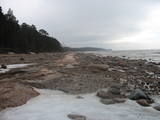 |
Селга к западу от Туи – важная территория для защиты малой чайки в период весенней миграции. Территория расположена напротив Салацгривского, Лимбажского, Саулкрастского и Царникавского края, ее площадь составляет 58 600 га.
|
|
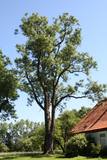 |
A very beautiful and expressive tree, it is found on the land of what was once the Vīceži Semi-estate.
|
|
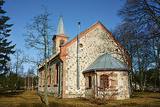 |
Колкская Евангелическая – лютеранская церковь.Сохранилось предание, что спасшийся во время одного из кораблекрушений у Колкасрага датский купец в знак благодарности построил в Колке церковь. В Колке было несколько церквей, которые меняли свое местонахождение. Фундамент храма, построенного из валунов и наблюдаемого в наши дни, заложил бывший владелец Дундагской господской усадьбы Карл Людвиг Фердинанд фон дер Остен – Сакен. Храм построен на месте деревянной церкви (или вблизи), которая сильно пострадала во время Крымской войны. Первым начал строительство в 1885 году мастер строительных работ Отто Зивертс (архитектор T.Зейлер). В советское время церковь была разгромлена, и в ней был обустроен склад. Непременно стоит увидеть выполненную в современном стиле алтарную икону (художник Хелена Хейнрихсоне), которой нет равных ни в одной другой церкви. На этом месте до иконы находился крест. Православная церковь в честь Рождества Христова в Колке.Сведения о принятии ливами православия содержались в документе, найденном во время реставрационных работ (девяностые годы прошлого столетия) на колокольне Колкской лютеранской церкви (см. далее), который находился здесь с момента строительства храма - 1885 года. В документе сообщалось, что переход ливов в православие или в так называемую царскую веру «не связан с вероисповеданием, но это служит средством, как получить земельное преимущество или наслаждение». Православный приход в 1885 году приобретает землю от барона Остен - Сакена. На ней в 1890 году строится церковь, дом священника и здание школы. Все строения сохранились до наших дней. Церковь имеет свой приход, и богослужения проводятся раз в месяц. Имеются сведения, что Колка – это единственный прибрежный поселок ливов, где в девяностых годах XIX века построили православную церковь. Церковный колокол занял свое место в 1936 году. В советское время церковь использовали как часовню, а в наши дни она играет свою первоначальную роль. |
|
 |
Посещение питомника по выращиванию деревьев «Селия» и захватывающий рассказ его хозяина А.Мендрика о выращивании яблонь. Экскурсия по яблоневому саду, яблочным складам и производственным цехам. Дегустация яблочного сока и рассказы из жизни виноделов за бокалом вина. |
|


