
| Нo | Название | Описание |
|---|---|---|
 3 дня
|
Во время путешествия Вы осмотрите знаменитую Гору Крестов, Старый Каунас. Со смотровых площадок или во время прогулки на кораблике Вы увидите живописные излучины реки Неман. В курортном городе Друскининкай Вы посетите Парк Грутас со скульптурами и памятниками советского периода, переживете ушедшие „советские времена”. Сможете на велосипеде прокатиться по Национальному парку Джукия – одной из нетронутой природной территории Балтии. Вечером можете насладиться SPA процедурами по Вашему желанию и отдохнуть в Друскининкайском аквапарке. |
|
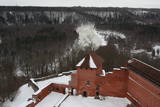 |
Строительство замка в Сигулде было начато орденом Меченосцев в 1207 году, а в 1236 году его переоборудовали для нужд Ливонского ордена. Замок в Сигулде сильно пострадал в войнах второй половины 16 и началa 17 века. Во время Северной войны его сжигают и более не восстанавливают. На сегодняшний день для осмотра доступно здание конвента юго-западного корпуса замка и башня главных ворот, за которой находится внутренний форбург с эстрадой под открытым небом, открывающей великолепный вид на долину реки Гауя. Строительство Нового замка Сигулды, находящегося на юге (владелец - князь Кропоткин), проводилось в период с 1878 - 1881 годa. B 1923 - 1940 годы в здании располагался Дом писателя, а во время СССР - кардиологический санаторий. С 2003 года здесь находится Сигулдская краевая дума. В комплексе имения сохранилось деревянное жилое здание (середина 19 века), в котором находился дом семьи Кропоткина, амбар (конец 18 – начало 19 века), дом садовника (19 век) и каменная ограда (19 век). Если от Нового замка мы поедем в северо-восточном направлении, менее чем через 2 км мы подъедем к оврагу Вейупите (речка Ветров). Здесь находится неглубокая (3,6 м), но высокая (6,1 м) пещера Святого Петра и глубокий Совий овраг с Крауклюпите (речка Ворона). На месте соприкосновения двух оврагов возвышается городище Сатезеле (площадка 90 × 75 м), где в начале 13 века находился дубовый замок вождя земли ливов - Дабреля. Недалеко находится ущелье Воронов - боковая ложбина левого берега Вейупите со стенами из песчаника высотой 11 метров и пещера Ворона глубиной 5,2 метра. На месте соприкосновения оврага Вейупите и русла реки Гауя возвышается Райская гора (Художников) – очень живописный ландшафт, вдохновлявший художников еще с древних времен. В западной части Сигулды можно посетить Колесо обозрения (работает в летнее время) и канатную дорогу (трамвай) - единственное транспортное средство подобного типа в странах Балтии (построена в 1969 году). Несущий трос канатной дороги тянется без поддержек 1060 метров и соединяет берега долины реки Гауя между Сигулдой и Кримулдой на высоте около 40 м над рекой. В юго-западной части Сигулды можно посетить утес Бейте, пересеченный глубоким оврагом ручья. На западной стороне оврага находится Государев вид, который находится на высоте 67 метров над уровнем реки Гауя с великолепным видом на Кримулду и Турайдский замок. Смотровую площадку здесь обустроили в 1862 году, когда Сигулду посетил российский царь Александр II. На восточной стороне оврага расположен выполненный из дерева Трон государя. На месте, где правый берег русла реки Гауя пересекает множество глубоких оврагов небольших ручейков, расположился Турайдский музей-заповедник с имеющими большую ценность для всей Балтии памятниками, история которых тянется на 1000 лет назад. Среди них следует упомянуть Турайдское имение (21 здание), могила Турайдской Розы, Турайдская Лютеранская церковь (одна из старейших деревянных церквей Латвии (1750 год)) и Турайдский замок. На располагающейся рядом горе Дайн организуются различные тематические мероприятия. |
|
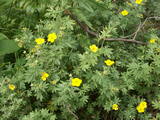 |
This is a swamp into which sulphurous waters flow, and it is on the left bank of the Abava River valley. This is the only place in Latvia where the protected shrubby cinquefoil is found in the wild. This bush covers approximately one-fifth of the restricted territory. It also includes forests, various kinds of meadows and sulphurous streams, including the one which is known as the Devil’s Eye. |
|
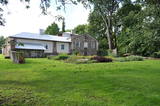 |
Мыза Олуствере — один из наиболее полно сохранившихся мызных комплексов Эстонии. Центр мызы окружен парком в английском стиле и аллеей старинных деревьев. В различных зданиях комплекса экспонируются чучела птиц, деревянные лошадки и антикварная мебель. Открыты ремесленная и шерстяная мастерские, кузница,гончарная, керамическая и стеклянная мастерские и винный завод. В рабочих комнатах мызы желающие могут попробовать свои умения. В главном здании мызы находится туристический центр. |
|
 |
Atrodas Rendā, pie tilta pār Abavu. Mazs, jauks krodziņš, kas atrodas vēsturiskā ēkā ar patīkamu interjeru. Piemērota maltītes ieturēšanas vieta ne tikai tiem, kas pārvietojas pa ceļu, bet arī Abavas laivotājiem. Strādā g.k. vasaras sezonā. |
|
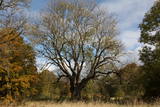 |
This is the thickest European Ash (Fraxius excelsior) in Latvia and the Baltic States. The homestead where the tree is found is the memorial museum of the painter Ģederts Eliass, and for that reason, the tree is sometimes also known as the Eliass ash tree.
|
|
 6 дней
|
Этот маршрут позволит Вам увидеть самые впечатляющие средневековые замки Латвии или их руины, равно как и знаменитые особняки в аристократических поместьях, датируемые 18 и 19 веками. Особняк поместья Унгурмуйжа – единственный из уцелевших в Латвии деревянных дворцов из тех, что были построены в начале 18 века. Развалины Цесиского замка – в числе наиболее впечатляющих средневековых развалин в стране. Башня Турайдского замка предлагает панорамный вид на старинную долину реки Гауя. Около половины маршрута проходит через Национальный парк Гауя. Вы прибудете в место существования самой старинной переправы на балтийских реках – плоты, которые перевозят людей через реку, до сих пор приводятся в движение течением. В качестве мест для ночлега выбраны баронские поместья и замки, где это возможно. Вас будут кормить в ресторанах высшего класса или в местах, где Вы сможете попробовать традиционную латышскую еду и насладиться местной атмосферой. |
|
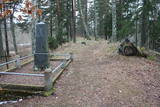 |
Средневековое кладбище начала прошлого столетия около Мазирбской церкви. Опоясано каменным покрытым мхом забором. Здесь находятся несколько интересных объектов - могила Оборотня, могила Старого Тайзеля, величавая сосна и др. |
|
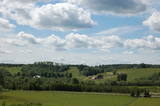 |
Sens pilskalns Abavas kreisā senkrasta nogāzē. Pēc sena nostāsta zviedru karavīri ar savām cepurēm to sabēruši virs sava ģenerāļa kapa. Tagad Zviedru cepures apkārtnē ziemā var braukt pa kalnu slēpošanas trasēm, bet vasarā – ar rodeļiem.
|
|
 |
Atrodas pie tilta (Akadēmijas iela 1) pār Lielupi. 1574. g. pēc Kurzemes – Zemgales hercoga Gotharda Ketlera pavēles uzsāk jaunas baznīcas celtniecību. Dievnama tornis tapa laikā no 1686. g. – 1688. g., bet 1862. g. to paaugstināja līdz 80,5 m. Baznīca nodega padomju aviācijas uzlidojuma laikā 1944. g. 27. jūlijā. 1954. g. Padomju armijas sapieri uzspridzināja ēkas atliekas. 2009. g. sākās baznīcas torņa rekonstrukcija un šobrīd tajā izveidots izcils interaktīvais muzejs (īpaši draudzīgs bērniem) un stiklota skatu platforma. |
|
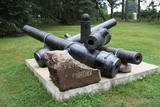 |
На острове Доле (крупнейший речной остров Латвии) находится жилое здание усадьбы Доле (построено в 1898 г.) – родовая собственность Левисов из Менара. В усадьбе Доле создан музей с богатейшей коллекцией экспонатов, повествующей о жизни людей на берегах Даугавы. В располагающемся рядом парке (этнографические постройки, пути миграций миног и лососей) находятся и пять уникальных пушек, которые были откопаны в Саласпилсе при строительстве нового стадиона. В этом месте в 1910 году находился лагерь военных сил Царской армии и был открыт памятник Петру I. Еще одна из найденных здесь пушек находится в самой экспозиции музея.
|
|
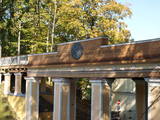 |
Vom 19. Jh. ist der Domberg ein offentlicher Park mit Pfaden, Gehwegen, Brücken (Engelsbrücke, Teufelsbrücke) und den Denkmälern für die Wissenschaftler der Tartu Universität. Hier befinden sich die Domkirche, das Anatomicum, das Observatorium u.a. interessante Objekte. |
|
 |
С созданием курорта Нейбаде в 1823 году, началась забота об отдыхе гостей. Парк, разбитый в английском стиле, создал садовник Акерберг, которого барон Август фон Пистолкорсс привез из Эстонии. В 20-30-х годах 20 века Общество помощи и благоустройства Нейбаде заботилось о восстановлении разрушенного во время войны курортного памятника и парка, об уходе за ними, об украшении Саулкрасты, организовывало мероприятия, создало театр и хор, которым руководила Ольга Цируле. На эстраде в Саулкрасты всегда проводились праздники. Особо стоит упомянуть 16 июля 1933 года, когда на эстраде отмечали переименование Нейбаде и Петерупе в Саулкрасты. Эстрада была многократно перестроена и улучшена. Как в советское время, так и позже эстрада является местом встречи местных жителей, как в радостные минуты, так и во времена перемен, и в памятные даты. Здесь было положено начало созданию Саулкрастского отделения Народного фронта. Сейчас эстрада стала местом проведения досуга на летние выходные, посещая различные мероприятия. Ежегодно здесь происходит Саулкрастский городской праздничный концерт.
|
|
 |
В хозяйстве выращивается 6 различных сортов кустовой черники. Хозяйка проведет по полям, расскажет о выращивании кустовой черники, а также угостит и предложит приобрести ценные ягоды. Дети оценят знакомство с домашними животными – кроликами и козами. |
|
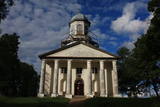 |
Tagadējais dievnams (iepriekšējie celti 1652. un 1776. g.) būvēts laikā no 1839. - 1842. g. Vidzemē pazīstamā lībiešu būvmeistara Mārča Sāruma (1799. –1859.) vadībā. Par prototipu tam izmantoja Pievolgas vācu koloniju baznīcu veidolu. Dievnama altārī atrodas Pītera Paula Rubensa gleznas “Kristus pie krusta” kopija (oriģināls – Minhenē), ko 1887. g. baznīcai uzdāvināja Nēķena muižas īpašniece. Baznīcas remonta laikā (1928. g.) atklāja piemiņas plāksnes 1. pasaules karā un Latvijas Brīvības cīņās kritušajiem. Blakus baznīcas atrodas viduslaiku kapsēta. Celtnes autors un būvdarbu virsuzraugs - H. fon Hagemeistars esot teicis, ka šis dievnams esot „vienīgā baznīca visā Vidzemē un varbūt arī pasaulē, kas uzcelta bez apreibināšanās”. |
|
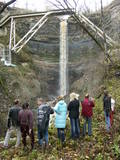 |
This is a cliff with various levels. Known as the North Estonian cliff, it stretches all along the shore of the Bay of Rīga in Estonia, including some of the local islands. The most expressive part in geological and landscape terms is the Saka-Ontika-Toila cliff, which is around 22 km long and offers an unusual natural environment. The cliff is as much as 53 m high, and it has a fairly virginal forest along its slopes. The layers of clay, sandstone, limestone, etc., come from the Cambrian and Ordovician periods. The Valaste juga (Valaste waterfall) is 24 metres high. After a longer period of freezing temperatures, the waterfall has a particularly impressive appearance. Seasonal waterfalls (8-10 m) can be found near the villages of Ontika and Toila.
|
|
 |
В юго-западной части бывшего аэродрома Спилве до сих пор находятся бетонные площадки, где в советское время базировались военные вертолеты.
|
|
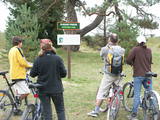 |
This is a route for hikers and bicyclists, starting at the village of Vaidava and then moving along the eastern shore of the narrow Lake Vaidava, which has steep cliffs around it. The trip covers the Veļķi baronial estate, the “Swedish pine”, the famous Vaidava (Metimne) hillfort, a series of streams, the great Rubene rock, the Vaidava baronial estate on the western shore of the lake. After that, the trail leads the visitor back to the starting point.
|
|
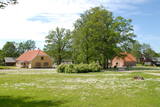 |
В месте, где правый основной берег древней долины Гауи раскалывают несколько глубоких оврагов с маленькими ручьями, расположился Турайдский музей-заповедник с выдающимися в масштабе Балтии памятниками, история которых уходит в 1000-летнее далекое прошлое. Среди них необходимо упомянуть Турайдскую господскую усадьбу (21 здание), могилу Турайдской Розы, Турайдскую лютеранскую церковь (одна из старейших (1750 г.) деревянных церквей Латвии) и Турайдский замок. Рядом на горе Дайн организуются всевозможные тематические мероприятия. |
|
 |
"Sabiles laivas" Talsu novadā piedāvā laivu nomu, laivu un laivotāju transportu. |
|


