
| Nr | Nosaukums | Apraksts |
|---|---|---|
 3 dienas
|
Ceļojumā apskatīsiet slaveno Lietuvas Krusta kalnu, Kauņas vecpilsētu, no skatu vietām vai izbraucot ar kuģīti vērosiet krāšņās Nemunas upes lokus. Kūrortpilsētā Druskininkos apmeklēsiet Grūtu parku ar “ļeņinekļiem”, piedzīvojot aizgājušos „Padomju laikus”. Iespēja izvizināties ar velosipēdu pa vienu no visneskartākajām dabas teritorijām Baltijā Dzūkijas nacionālo parku. Vakarā varēsiet baudīt kādu no izvēles SPA procedūrām vai izpriecāties lielajā Druskininku ūdens atrakciju parkā. |
|
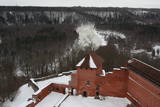 |
Siguldas pils celtniecību uzsāka Zobenbrāļu ordenis 1207. g., bet 1236. g. to pārbūvēja Livonijas ordeņa vajadzībām. Siguldas pils stipri cieta 16. gs. otrās puses un 17. gs. sākuma karos. Ziemeļu kara laikā to nodedzina un vairāk neatjauno. Šodien ir apskatāms pils konventa ēkas dienvidrietumu korpuss un galveno vārtu tornis, aiz kura atrodas iekšējā priekšpils ar brīvdabas estrādi, no kuras paveras iespaidīgs skats uz Gaujas senleju. Dienvidos esošās Siguldas Jaunās pils celtniecība (īpašnieks - kņazs Kropotkins) norisinājās laikā no 1878. - 1881. g. No 1923. - 1940. g ēkā bija Rakstnieku pils, bet Padomju gados - kardioloģijas sanatorija. Kopš 2003. g. te atrodas Siguldas novada dome. Muižas kompleksā ir saglabājusies koka dzīvojamā ēka (19. gs. vidus), kurā atradās Kropotkina ģimenes mājas, klēts (18. - 19. gs. mija), dārznieka māja (19. gs.) un mūra žogs (19. gs.). Ja no Jaunās pils dosimies ziemeļaustrumu virzienā, pēc nepilniem 2 km nonāksim pie Vējupītes gravas. Tajā apskatāma seklā (3,6 m), bet augstā (6,1 m) Pētera ala un dziļā Pūču grava ar Kraukļupīti. Abu upīšu gravu saskares vietā paceļas Satezeles pilskalns (plakums 90 x 75 m), kur 13. gs. sākumā atradās līvu zemes vadoņa (vecākā) - Dabreļa ozolkoka pils. Netālu meklējama Kraukļu aiza - Vējupītes kreisā krasta sānu grava ar 11 m augstām smilšakmens sienām un 5,2 m dziļā Kraukļu ala. Vējupītes gravas un Gaujas senlejas saskares vietā slejas Paradīzes (Gleznotāju) kalns - ļoti ainaviska vieta, kas gleznota un fotografēta kopš seniem laikiem! Siguldas rietumdaļā var apmeklēt Panorāmas ratu (darbojas vasaras laikā) un Gaisa trošu ceļu (tramvajs) - Baltijas valstīs vienīgo (celts 1969. g.) šāda tipa transporta līdzekli. Tā nesošā trose stiepjas 1060 m garumā un bez atbalstiem savieno Gaujas senlejas krastus starp Siguldu un Krimuldu ~ 40 m augstumā virs Gaujas. Siguldas dienvidrietumu daļā var aizstaigāt līdz varenajai Beites kraujai, kuru pāršķeļ dziļa strauta grava. Gravas rietumu pusē meklējams Ķeizarskats, kas atrodas ~ 67 m virs Gaujas līmeņa ar labu skatu uz Krimuldu un Turaidas pili. Skatu vietu šeit iekārtoja jau 1862. g. kad Siguldā viesojies Krievijas cars Aleksandrs II. Gravas austrumu pusē novietots no koka veidotais Ķeizarkrēsls. Vietā, kur Gaujas senlejas labo pamatkrastu pāršķeļ vairākas mazu strautu dziļās gravas, izvietojies Turaidas muzejrezervāts ar Baltijas mērogā izciliem pieminekļiem, kuru vēsture iestiepjas 1000 gadu tālā pagātnē. Starp tiem ir jāmin Turaidas muiža (21 ēka), Turaidas Rozes kaps, Turaidas luterāņu baznīca (viena no vecākajām (1750. g.) Latvijas koka baznīcām) un Turaidas pils. Blakus esošajā Dainu kalnā tiek organizēti dažādi tematiski pasākumi. |
|
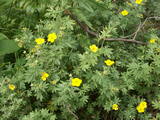 |
Purvs, kurā izplūst sērūdens avoti, izveidojies Abavas ielejas kreisā krasta nogāzes lejasdaļā. Tā ir vienīgā vieta, kur Latvijā savvaļā aug aizsargājama augu suga – krūmu čuža. Tās audzes aizņem aptuveni 1/5 daļu no lieguma teritorijas. Teritorijā ietilpst arī apkārtnes meži, dažādu tipu pļavas, Čužu sērūdeņu avoti, kā arī sēravots – „Velna acs”. Teritorijas apskates nolūkos ir izveidota un labiekārtota dabas izziņas taka. Dabas liegums atrodas Abavas senlejas dabas parka teritorijā (sk. sadaļu "Dabas parki"). |
|
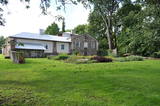 |
Olustveres muižas komplekss ir viens no nedaudzajiem Igaunijā, kas ir pilnībā saglabājies līdz mūsdienām. To ieskauj angļu stila parks un vecu koku alejas. Vairākās ēkās ir izstādītas putnu izbāžņu, koka zirdziņu un antīko mēbeļu kolekcijas. Šeit ir atvērta rokdarbu un vilnas radošā darbnīca, smēde, ceplis, keramikas un stikla darbnīca, kā arī vīna darītava. Interesenti radošajās darbnīcās var pārbaudīt prasmes dažādu priekšmetu darināšanā. Muižas galvenajā ēkā atrodas tūrisma informācijas centrs. |
|
 |
Atrodas Rendā, pie tilta pār Abavu. Mazs, jauks krodziņš, kas atrodas vēsturiskā ēkā ar patīkamu interjeru. Piemērota maltītes ieturēšanas vieta ne tikai tiem, kas pārvietojas pa ceļu, bet arī Abavas laivotājiem. Strādā g.k. vasaras sezonā. |
|
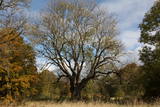 |
Latvijas un Baltijas resnākais parastais osis (Fraxinus excelsior). Aug blakus Zīlēniem - latviešu gleznotāja Ģederta Eliasa memoriālam muzejam, kamdēļ ieguvis otru nosaukumu – Eliasa osis.
|
|
 6 dienas
|
This route will allow you to see Latvia's most impressive medieval castles or their ruins, as well as outstanding manor houses from aristocratic estates dating back th the 18th and 19th century. The mansion of the Ungurmuiža Estate is one of the only wooden palaces left in Latvia from those that were built in the early 18th century. The ruins of the Cēsis Castle are among the most impressive Medieval ruins in the country. The tower of the Turaida Castle offers panoramic view of the ancient Gauja River Valley. About one-half of the route passes through the Gauja National Park. You will arrive at the place where the oldest crossing of the Baltic rivers exists - the rafts which transport people across the river are still powered by the stream itself. |
|
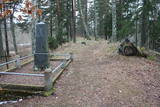 |
Viduslaiku un pagājušā gadsimta sākuma kapsēta pie Mazirbes baznīcas. To iejož apsūnojis akmeņu žogs. Te meklējami vairāki interesanti objekti – Vilkača kaps, Vecā Taizeļa kaps, dižpriede u.c. |
|
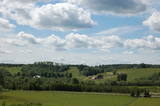 |
Sens pilskalns Abavas kreisā senkrasta nogāzē. Pēc sena nostāsta zviedru karavīri ar savām cepurēm to sabēruši virs sava ģenerāļa kapa. Tagad Zviedru cepures apkārtnē ziemā var braukt pa kalnu slēpošanas trasēm, bet vasarā – ar rodeļiem.
|
|
 |
Atrodas pie tilta (Akadēmijas iela 1) pār Lielupi. 1574. g. pēc Kurzemes – Zemgales hercoga Gotharda Ketlera pavēles uzsāk jaunas baznīcas celtniecību. Dievnama tornis tapa laikā no 1686. g. – 1688. g., bet 1862. g. to paaugstināja līdz 80,5 m. Baznīca nodega padomju aviācijas uzlidojuma laikā 1944. g. 27. jūlijā. 1954. g. Padomju armijas sapieri uzspridzināja ēkas atliekas. 2009. g. sākās baznīcas torņa rekonstrukcija un šobrīd tajā izveidots izcils interaktīvais muzejs (īpaši draudzīgs bērniem) un stiklota skatu platforma. |
|
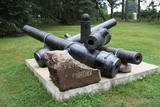 |
Doles salā (Latvijas lielākā upju sala) atrodas Doles muižas dzīvojamā ēka (celta 1898. g.) - Lēvisu of Menāru dzimtas īpašums. Doles muižas ēkā ir izveidots Doles muzejs ar bagātīgu eksponātu klāstu, kas vēsta par cilvēku dzīvi Daugavas krastos. Blakus esošajā parkā (etnogrāfiskas ēkas, nēģu un lašu tači) atrodas arī pieci unikāli lielgabali, kas uzieti Salaspilī, ceļot jauno stadionu. Šajā vietā 1910. Gadā atradās cara armijas karaspēka nometne un tika atklāts piemineklis Pēterim I. Vēl viens no šeit atrastajiem lielgabaliem atrodas paša muzeja ekspozīcijā.
|
|
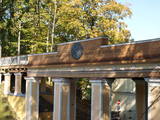 |
No 19. gs. – publisks parks ar takām, celiņiem, tiltiem (Eņģeļu tilts, Velna tilts) un pieminekļiem, kas veltīti Tartu universitātes zinātniekiem. Te meklējama Doma baznīca, anatomikums, observatorija u.c. interesanti objekti. |
|
 |
Līdz ar kūrorta Neibāde izveidi 1823. gadā, aizsākās rūpes par viesu atpūtu. Parku, kas veidots angļu stilā, radīja dārznieks Akerbergs, kuru barons Augusts fon Pistolkorss atveda no Igaunijas. 20.gadsimta 20.-30. gados Pēterupes – Neibādes jūrmalas palīdzības un labierīcības biedrība rūpējās par karā nopostītā kūrorta pieminekļa un parka rūpīgu atjaunošanu un kopšanu, Saulkrastu izdaiļošanu, organizēja sarīkojumus, nodibināja teātri un kori, kuru vadīja Olga Cīrule. Saulkrastu estrādē vienmēr ir notikuši svētki. Īpaši izceļams 1933. gada 16. jūlijs, kad estrādē atzīmēja Neibādes un Pēterupes pārdēvēšanu par Saulkrastiem. Estrāde vairākkārt tika pārbūvēta un uzlabota. Gan padomju laikā, gan arī vēlāk šī vieta ir vietējo cilvēku satikšanās vieta gan priecīgos brīžos, gan pārmaiņu brīžos, gan atceres brīžos. Estrādē ir meklējami pirmsākumi Tautas Frontes Saulkrastu nodaļas veidošanai. Šobrīd estrāde ir pulcēšanās vieta vasarā nedēļas nogalēs apmeklējot dažādus pasākumus. Katru gadu šeit notiek Saulkrastu pilsētas svētku koncerts. (Avots: Saulkrastu TIC) |
|
 |
Saimniecībā audzē 6 dažādu šķirņu krūmmellenes. Saimniece izvadās pa apkaimes laukiem, pastāstīs par krūmmelleņu audzēšanu, kā arī pacienās un piedāvās iegādāties vērtīgās ogas. Bērni novērtēs saskarsmi ar mājdzīvniekiem – trušiem un kazām. |
|
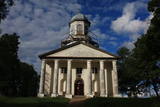 |
Tagadējais dievnams (iepriekšējie celti 1652. un 1776. g.) būvēts laikā no 1839. - 1842. g. Vidzemē pazīstamā lībiešu būvmeistara Mārča Sāruma (1799. –1859.) vadībā. Par prototipu tam izmantoja Pievolgas vācu koloniju baznīcu veidolu. Dievnama altārī atrodas Pītera Paula Rubensa gleznas “Kristus pie krusta” kopija (oriģināls – Minhenē), ko 1887. g. baznīcai uzdāvināja Nēķena muižas īpašniece. Baznīcas remonta laikā (1928. g.) atklāja piemiņas plāksnes 1. pasaules karā un Latvijas Brīvības cīņās kritušajiem. Blakus baznīcas atrodas viduslaiku kapsēta. Celtnes autors un būvdarbu virsuzraugs - H. fon Hagemeistars esot teicis, ka šis dievnams esot „vienīgā baznīca visā Vidzemē un varbūt arī pasaulē, kas uzcelta bez apreibināšanās”. |
|
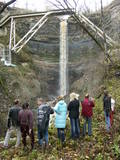 |
Klinšainā vairākpakāpju kāple - t.s. Ziemeļigaunijas glints, kas ar pārtraukumiem stiepjas gar Igaunijas Somu līča piekrasti (ieskaitot arī dažas salas), ir viena no iespaidīgākajām Baltijas reljefa formām. Tās ģeoloģiski un ainaviski izteiksmīgākais posms ir Sakas – Ontikas – Toilas klints, kas ~ 22 km garumā veido neparastu dabas vidi ar maksimāli 53 m augstu atsegumu kompleksu un mazskartu meža masīvu tā nogāzēs, kur redzami Kembrija un Ordovika perioda nogulumieži – māli, smilšakmens, kaļķakmens u.c. Pie Valastes pāri klintij traucas līdz 24 m augstais Valastes ūdenskritums (Valaste juga). Īpaši iespaidīgs ūdenskrituma kanjons ar leduskritumiem izskatās pēc ilgāka sala! Sezonāli ūdenskritumi (8 – 10 m augsti) ir meklējami arī pie Ontikas un Toilas ciemiem.
|
|
 |
Bijušā Spilves lidlauka dienvidrietumu daļā vēl joprojām atrodas betonēti laukumi, kur padomju laikā bāzējās militārie helikopteri.
|
|
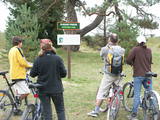 |
Maršruts kājāmgājējiem un velobraucējiem, kas sākās Vaidavas ciemā un virzās gar šaurā un stāvo nogāžu ietvertā Vaidavas ezera A krastu, ietverot Veļķu muižu, Zviedru priedi, slaveno Vaidavas (Metimnes) pilskalnu, avotus, Rubenes dižakmeni, Vaidavas muižu R krastā un atgriežas izejas punktā.
|
|
 |
Vietā, kur Gaujas senlejas labo pamatkrastu pāršķeļ vairākas mazu strautu dziļās gravas, izvietojies Turaidas muzejrezervāts ar Baltijas mērogā izciliem pieminekļiem, kuru vēsture iestiepjas 1000 gadu tālā pagātnē. Starp tiem ir jāmin Turaidasmuiža (21 ēka), Turaidas Rozes kaps, Turaidas luterāņu baznīca (viena no vecākajām (1750. g.) Latvijas koka baznīcām) un Turaidas pils. Blakus esošajā Dainu kalnā tiek organizēti dažādi tematiski pasākumi. |
|
 |
"Sabiles laivas" Talsu novadā piedāvā laivu nomu, laivu un laivotāju transportu. |
|


