
| Нo | Название | Описание |
|---|---|---|
 5 дней
|
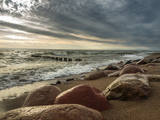
Историки утверждают, что ливы на древней территории Латвии появляются с 10-го века. Они селятся в Северной Курземе, в низовьях Даугавы и Гауи. У первых приплывших немецких торговцев они интересуются со знанием дела – Сколько сейчас стоит сукно на рынке в Висбю? Значит, им известен шведский остров Готланд, они хорошие мореплаватели, смелые и сильные духом. Только сильный может ужиться с морем, отправляться на ловлю рыбы и тюленей, укорениться в отнюдь не плодородных песках морского побережья. |
|
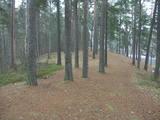 |
This territory is meant to protect the “green zone” of Rīga. Most of the park is covered with pine forest and dunes with shrubs on them, but Lake Beberbeķi is found at the southern end of the park. The area around the lake has been improved. |
|
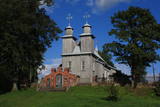 |
Одна из самых красивых деревянных церквей Южной Латгалии. Построенный из бревен и обшитый досками храм строился в период с 1750 по 1751 гг. Сохранился алтарь работы XVIII века (резьба по дереву, барокко) и проспект органа, а также более 30 предметов, имеющих художественную ценность. Во дворе церкви в XIX веке построена колокольня. В направлении озера Рушонс построен деревянный пасторат. |
|
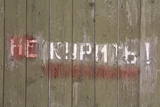 |
На обширной территории к югу от Павилосты когда-то располагались объединенные склады и нефтебаза. В настоящее время территория используется для получения строительных материалов и в качестве деревообрабатывающей мастерской. Рядом с территорией расположены предупреждающие знаки «Опасно для жизни».
|
|
 |
This is one of two sanatoriums in Jūrmala where mud from the surrounding area is used for medical procedures. The Jūrmala Spa Museum of History was opened here in 2009, and it offers interesting information about the history of the spa and the sanatorium. You will see historical photographs and medical equipment from the 1970s and 1980s. Guides will tell you all kinds of interesting information. |
|
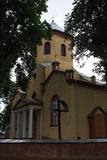 |
Atrodas Līvānu ziemeļdaļā, Baznīcas ielā 17. Dievnams uzbūvēts 1861. g. un paplašināts 1880. gadā. Pēc nopostīšanas 1. pasaules kara laikā to atjaunoja 1918. gadā. No interjera ievērības cienīgas ir ērģeles (uzstādītas 1936. g.), glezna „Svētais Jānis Kristītājs” (mākslinieks Šēnbergs) un 14 Krusta ceļa gleznas, kas ir vācu mākslinieka Fogela gleznu kopijas (19. gs. pirmā puse). Kopš 20. gadsimta sākuma bez izmaiņām ir saglabājies tikai Ostrabramas Dievmātes altāris ēkas labajā pusē. 2007. gadā nokrāsoja dievnama fasādi. Šo darbu laikā, no ēkas sienas izņēma nesprāgušu artilērijas lādiņu, kas bija iestrēdzis 1. pasaules kara laikā. |
|
 |
Малый производитель, который в своем хозяйстве выращивает клубнику, а также коптит и маринует рыбу в соответствии с эстонскими традициями. Еще здесь варят медовое пиво и делают домашнее вино, а также производят различные мясные изделия. |
|
 |
Eine der schönsten Landkirchen Estlands, wurde ursprünglich als Zufluchtsort verwendet. Wurde im Stil der Frühgotik gebaut. Die Wandmalerei aus dem Jahr 1330. |
|
 10 дней
|
This grand hiking tour includes some of the best and most beautiful parts of the Forest Trail in Latvia and Estonia. Hikes in the forest trails and villages are combined with trips and excursions in cities, as well as other popular tourist sights in both countries. You will get a detailed impression about the forest diversity and most popular national parks in Latvia and Estonia. You will start the tour in Riga, where you will enjoy the beautiful Old Town included in the UNESCO and Art Nouveau District. Then you will drive to Sigulda and see the most scenic ancient valley of the River Gauja, visit Turaida Museum Reserve, hike in Gauja National Park till the historic Ligatne papermill village. Further on you will visit the famous Lake Āraiši Castle, hike on the Cirulisi nature trails and see the beautiful medieval town of Cesis. On the way to Estonia you will stop at the Sietiņiezis big sandstone cliff to have picturesque views of the River Gauja. Then you will stay in Estonia’s second biggest city – Tartu, and visit the recently opened Estonian National Museum. Further on you will drive to Alutaguse National Park and hike along the picturesque Kurtna landscape reserve among the bright coniferous forests ornamented by the mirror surfaces of its many lakes. At the end of the tour you will hike in Estonia’s oldest national park – Lahemaa, which means the “land of bays” in Estonian. The Forest Trail goes along the bays and peninsulas of Lahemaa National Park, introducing the hikers to its most significant natural and cultural heritage. The forests are rich with blueberries and mushrooms in autumn and the air is very clean. This tour will end with sightseeing in Tallinn, Estonia’s capital city, with the Old Town also included in UNESCO. |
|
 |
BURSH - пивоварня – одна из самых небольших пивоварен в Латвии, которая находится между Земгальским, Видземским, Латгальским краем и Селией – в Плявиньском крае волости Айвиексте. Любителям пива предлагаем темное и светлое пиво марки BURSH.BURSH изготовляют из воды, ячменного солода, хмеля и дрожжей, варят на дровяной печи, оставляют для брожения в дубовых бочках на 30 дней. ООО “ECOS” использует в производстве только натуральное сырье. Пиво изготовляют по рецептам, разработанным специально в пивоварне BURSH, при соблюдении традиционных методов приготовления пива. В гости ждут как индивидуальных посетителей, так и группы (по предварительной договоренности). |
|
 |
В рамках образовательной программы Екабпилсского исторического музея «Сырные рассказы» можно познакомиться с продуктом питания, входящим в ежедневный рацион, у которого тысячелетняя история – сыром, послушать познавательные рассказы об истории приготовления сыра и традициях использования сыра владельцами Крустпилсского замка – баронами Корфами. Минимальное количество людей в группе – 10. |
|
 7 дней
|
This study tour is designed to show Latvia's rye traditions as their central focus. This tour has been developed in cooperation with the Latvian Bakers’ Association. Rye is both the basis of the Latvian diet and a powerful symbol of Latvia's culture and culinary traditions. Itinerary emphasize traditional rye bread-baking and eating, as well as insights into the history of the rye grain from Latvia's earliest archaeological record to the present day. Itinerary include visits to working farms, grain mills and culturally and historically important locations. This study tour is designed for groups and may be adapted to the needs, interests and timeframe of each client. Tour cost includes meetings with experts, site visits and admissions, accommodations, specified meals, sightseeing, transportation within Latvia and guides-interpreters. |
|
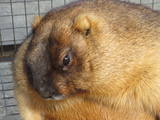 |
Замечательное место для семьи, детей и всех интересующихся, где можно отправиться на экскурсию или самим посмотреть и узнать больше о сурках. |
|
 |
В восстановленном по инициативе Беверинского общества ремесленников домике предлагают продукцию ремесленников края и более обширной местности, творческие мастерские и мероприятия по освоению техник всевозможного рукоделия. Домик – это и учебный центр, и лавка для торговли изделиями ремесленничества, и Центр популяризации культуры, фольклора и латышской идентичности Беверинского края |
|
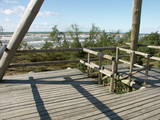 |
The Grey Dune of Pāvilosta nature reserve covers 42 hectares of land and has been designated to protect Latvia’s widest dune (1.5 km parallel the seacoast, and 812m in the direction from the sea to inland) and the biotopes and species found there. A two-storied watching platform is built to savour the scenery. In Soviet time, local fishermen used to dry seaweed in dunes for production of agar, and thus rich vegetation developed in the dune. The Gray Dune is part of a unique landscape with the sea view, the traditional architecture of Pāvilosta fishing town, and biotopes, including protected, which border the nature reserve: pine forest, embryonic dunes, white dunes, and wet beech where once can find springs. Biotope 2130, “Fixed dunes with herbaceous vegetation (grey dunes)” is found here. At present, pines are taking over the biotope, therefore some maintenance activities are required. The Grey Dune is most beautiful in the second half of July and in August when the blossoming Breckland Thyme (Thymus serpyllum) and Narrowleaf Hawkweed (Hieracium umbellatum) colour the dune in shades of yellow and violet. The most typical species here are Pasqueflower (Pulsatilla pretense), Grey Hair-grass(Corynephorus canescens), Blue Hair Grass (Koeleria glauca), Sand Pink (Dianthus arenarius). The Gray Dune earned wide recognition when a group of enthusiasts actively campaigned for six years to achieve the status of the nature reserve. Guna Grimsta, a group representative remembers that they organised events and activities throughout Latvia involving large part of the society, prominent personalities, church parishes, NGOs, school youth and university students. The activists were writing letters, making videos, doing research articles, composing music, collecting signatures and submitting proposals to achieve official status of the Grey Dune as an especially protected nature site. They organised seminars, concerts, art plenaires and exhibitions, educational excursions, joint-work, musical church services, meetings with high officials and their on-site visits to the Gray Dune. In 2006 the group received the title „Proudness of Latvia” awarded by the national TV3 broadcasting company and daily paper „Diena”. |
|
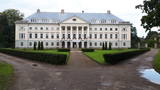 |
Формирование парка было начато в 19-ом веке, в начале как ландшафтный парк с различными прогулочными дорожками, отдельной системой дорожек, скамеечек и мостиков. В настоящее время парк Казданги является одним из крупнейших (196 га) и дендрологически наиболее богатых усадебных парков в Латвии. Здесь насчитывается более 200 видов деревьев и кустарников, 127 из них - иностранные. Парк включает в себя весь поселок Казданга, в том числе и замок усадьбы Казданга, и территорию к северу от него, где находится семейное захоронение баронов Мантейфелей, формирование которого было начато в самом начале 20-го века, но работы были прерваны с началом Первой мировой войны. В парке обустроены зоны отдыха, декоративные элементы. В свою очередь, замок Казданга был построен около 1800 года. Автор этого проекта - известный в Европе архитектор Е.Г. Берлицс, который использовал проект архитектора Дж. Кварнеги. В состав усадебного ансамбля входили также Дом кавалеров, дом прислуги, жилой дом, конюшни, тройной мост через овраг и другие здания. В 1922 году в замке начала действовать Сельскохозяйственная школа. Сегодня здесь обустроен замковый музей Казданги и Туристический информационный центр. |
|
 |
Уютное кафе в центре Лиепаи. Кофе, вкусные пирожные, отличная еда. Каждый день – около пяти часов утра – за работу принимается мастер по приготовлению круассанов, чтобы уже в девять предложить посетителям свежую утреннюю выпечку. |
|
 |
Das Gedenkzeichen in Ošvalki, das den lettischen Flüchtlingen (1944 – 1945) gewidmet ist, die über die Ostsee in Fischerbooten nach Schweden geflüchtet sind. |
|
 12 дней
|
This is the longest of the Forest Trail tours, where you will hike on many beautiful forest nature trails in Latvia and Estonia. These nature trails are part of the Forest Trail and this tour is suitable for self-drive tourists, who wish to hike different sizes of trails and get an impression of the forest diversity in both countries. You have the possibility to see the northern coniferous forests with spruces and pines, broadleaf forests, wet floodplain forests and picturesque forests growing on slopes and ravines. You will also see the most interesting tourist sights in Latvia and Estonia, which are close to the Forest Trail. In Latvia you will visit Sigulda, the historic Ligatne papermill village, medieval Cesis, the River Amata valley, which is located in Gauja National Park. Then you will drive to the less populated eastern part of Latvia – the Northern Gauja protected landscape area, Aluksne Town and hike in the Korneti-Peļļi subglacial depression, one of the most impressive ravines in Latvia. You can climb to Drusku castle mound – the highest and steepest of all the castle mounds in Latvia, When entering Estonia, you will see the highest point of the Baltics – Suur Munamagi Hill, where the observation tower is built. Further on the tour will lead you to the River Piusa valley, Obinitsa, with the culture of Seto people. You will hike in the historic Varska resort town, which is very close to the Russian border. Then you will reach Tartu and Lake Peipsi, which is the 5th biggest lake in Europe. You will hike in the Kurtna landscape reserve, see the Ontika limestone cliff, Valaste waterfall – the highest in Estonia. Finally you will hike in one of the beautiful wooded areas in Estonia – Lahemaa National Park. The tour ends in Tallinn, where you can enjoy the medieval Old Town and many other attractions. |
|
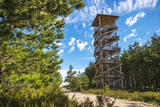 |
Koka skatu tornis atrodas blakus Kolkasraga priežu takai. No tā redzama ar priedītēm aizaugusi „stiga” – t.s. Šautuve, kuru padomju laikā izmantoja šaušanas apmācībām. No torņa skatu platformas labi saskatāma Kolkas bāka, kas atrodas 5 km attālumā no Kolkasraga. |
|


