
| No | Name | Description |
|---|---|---|
 |
The Livonian Order built a castle made of bricks and fieldstones in this location in 1253. The building measured 72 x 40 metres and had a three-story residential area and a gate tower at its centre. An entrance for soldiers was installed at the height of the second floor of the fortified wall during the 14th century, with barriers and four bastions installed during the 16th and 17th century. Legend has it that the daughter of a knight was bricked into the wall and that there was once a secret underground passage to the Lutheran church that is 200 metres away. The park includes the “Ancient Seashore” promenade, featuring plaques with quotes from Zenta Mauriņa and Jānis Rainis. |
|
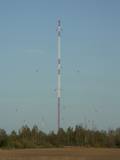 |
This is the only Soviet military object of its type and scope in Latvia – a long-distance communications base which was supposedly used to maintain contacts with Soviet naval ships and submarines all around the world. The facility had a central tower and six perimeter towers, each more than 200 metres high. Some of the towers remain in place and are used for mobile communications. It is rumoured that the Soviet communications system was never once turned on. The complex at Upīškalns can be seen by driving down the Skrunda-Kuldīga road. It is some 3 km before the Kuldīga ring road, at a populated location called Raidstacija.
|
|
 |
Pärnamäe farm on Kihnu Island has won the title of most beautiful home four times. The owner is preparing traditional, home-made dishes, Kihnu bread and smoked fish that you can also buy at Kihnu port market. The accommodation is located in three comfortable cottages. In winter, unique Kihnu carpets are made here |
|
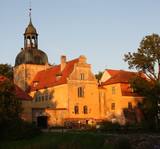 |
The Lielstraupe Castle is the only building in Latvia which contains a Medieval castle and a church. Work on the castle began in 1263. The building suffered great damage during the 17th and 18th centuries, as well as during the riots of 1905. The complex was restored in 1909 by the architect Wilhelm Bockslaff. There are several artistic monuments in the church – the organ loft from the 17th century and the pulpit paintings of the 18th century. In 1944, two stained glass windows produced by the artist Sigismunds Vidbergs were installed at the church – Golgotha and Birth of Christ. The tower contains a clock produced by a local clockmaker, and there is a sun dial on the wall of the church. Visitors to the park of the castle will see the wooden bell tower which dates back to 1744. A memorial plaque to men who fell during World War I and Latvia's liberation battles was installed in the church in 1938. A drugs treatment hospital was installed in the castle in 1963. The church is open during worship services, and the rest of the complex can only be viewed from the outside. |
|
 |
The Rožlejas farm is in the Džūkste Parish of the Tukums Administrative District, where the Eastern Courlandian highlands interact with the Heath lowlands. The parents of the current owner, Jānis Ukše, began work there in 1989, establishing a natural farm to grow sugar beets and then also wheat. Thanks to thoughtful farming, Rožlejas has, over the past quarter-century, turned into one of the largest grain farms in Western Latvia. The owners have taken active part in EU projects to purchase modern equipment and to build hangars for the storage of grain and equipment. The farm specialises in winter barley and winter wheat, using ~1,200 ha of land for that purpose. |
|
 |
Rīgas HES komplekss ir savienots ar Doles salas austrumdaļu. Rīgas HES ir pēdējā no elektrostacijām Daugavas HES kaskādē. Tās celtniecību uzsāka 1966. g., bet pirmo hidroagregātu iedarbināja 1974. gadā, tā projektēto jaudu sasniedzot divus gadus vēlāk. Rīgas HES uzstādīti seši hidroagregāti, kuru kopējā jauda ir 402 000 kW. No Rīgas – Daugavpils šosejas (A 6) labi redzamas Rīgas HES dambis. Rīgas HES dzelmē palika daudzi kultūras un vēstures pieminekļi, t.sk. Laukskolas apmetne, kas ir vecākā zināmā cilvēku apmešanās vieta tagadējā Latvijas teritorijā. |
|
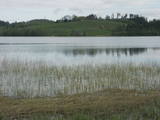 |
This nature park was established to protect the Burzava hillocks, Lake Adamova (a eutrophic lake), and the habitats and species that are found along the lake’s shores – bats included. The loveliest views of the area can be viewed from the hillocks that are on the northern shore of the lake. There are tourist accommodations on the shores of Lake Adamova where tourists can spend the night. |
|
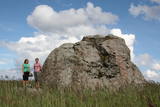 |
Auf der Küste der Halbinsel befinden sich sowohl ehemalige Fischerdörfer, als auch die Reste eines Militärstützpunkts der Sowjetarmee. Großartige von den Gletschern des Eiszeitalters eingebrachte Feldsteine. |
|
 |
Kafejnīca "Dižjūra" atrodas Mazirbē, Lībiešu tautas namā. Atvērta vasaras sezonā. |
|
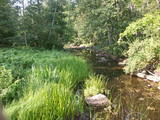 |
A distinct area of the lower reaches of the Vitrupe River, with small sandstone cliffs and many rare species of plants and molluscs. Visitors can visit the Ķirbiži Forest Museum and its information and botany trail. It weaves along both banks of the river and allows people to look at the most typical examples of flora in the region. The noble Vāloži oak tree is a key element there.
|
|
 |
You will find the nice and quiet Kuusiku Nature Farm on the edge of the beautiful Lahemaa National Park by Lake Viitna Pikkjärv. The Kuusiku Farm offers traditional farm bread. |
|
 |
Located in Daugmale, surrounded by the waters of the Daugava. This special location allows the bees to harvest and bring high-quality honey that has been recognised several times in Latvian contests, as well as other beekeeping products. |
|
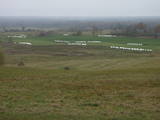 |
Elka Hill is one of the highest surfaces in the western part of the Vidzeme highlands, and it offers a lovely and broad view to the North. There is a small parking lot, a TV and radio tower, and the place where the Gauja River is thought to originate.
|
|
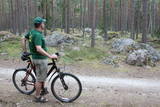 |
Eine von Nadelbaumwäldern bedeckte Halbinsel. Malerisches Käsmu Steinfeld, Matsikivi Stein, Vana Jüri Stein u.a. Bei passenden Bedingungen kann man sich auf einer steinernen Landzunge bis zur 0,5 km entfernt liegenden Insel Saartneem schleppen. |
|
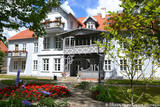 |
The Šilute Estate is often described on the basis of its last owner, Hugo Scheu, who bought the estate in 1889. He restored the estate's buildings and territory, also installing two parks, one for the estate, and the other one known as the "raven forest." Alongside the estate is an English-type park with strolling trails. The park is used by local residents and is on both sides of the curvy Scheu River, with the banks connected by pedestrian bridges. He park stretches to an old railroad bridge and has approximately 150 types of plants, including 40 types of trees and shrubs. |
|
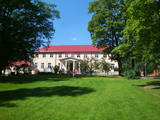 |
Sēļu muiža, par kuru pirmās ziņas saistāmas ar 1561. gadu, ar seno ēku kompleksu un ainavu parku mūsdienās vēl joprojām darbojas kā pagasta administratīvais un kultūras centrs, kur tiek organizēti arī atpūtas un saviesīgi pasākumi. Neskatoties uz to, ka muiža vairākkārt ir tikusi pārbūvēta, tās senatnīgums ir vēl saglabājies. Sēļu pagasta Tautas nams piedāvā bezmaksas ekskursijas Sēļu muižas kompleksā un divas meistardarbnīcas: ādas apstrādes meistardarbnīca pie Benitas Audzes un kokapstrāde un galdniecība pie Uģa Vītiņa. |
|
 |
This farm is engaged in dairy farming and rearing chickens; the obtained eggs and milk is processed in its very own dairy plant. You can taste various dairy products, including ice-cream in the farm, and also get to know the entire production process. You can also order meals for a picnic and apply for a dairy product masterclass. |
|
 |
The Cider House is located in the very centre of Sabile, right next to the historic Sabile Wine Hill. At the Cider House you will be able to taste a glass of cold Sabile cider and to taste and purchase wines made by various Latvian winemakers. |
|
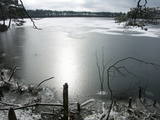 |
Relatīvi grūti pieejama un cilvēka mazskarta teritorija kūdrā izstrādātajā Cenas tīreļa ziemeļaustrumu daļā, kur saglabājušies augstā purva biotopi ar purva ezeriem, kas kopumā veido nozīmīgu vietu ligzdojošām un migrējošām zosveidīgo, tārtiņveidīgo u.c. putnu sugām. Teritorija nav piemērota (un nav vēlams) tūrisma aktivitātēm.
|
|
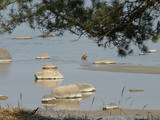 |
This is an area where migrating birds seek shelter and food all around the year. Seen most often here are the red-throated and black-throated loon, the common shelduck, the long-tailed duck, the velvet scoter and the little gull. The territory is also important for the protection of reefs. It lies opposite the Dundaga, Roja and Engure administrative districts, as well as the city of Jūrmala, and it covers 132,173 hectares of territory. The marine parts of the Engure Nature Park and the Ķemeri National Park are covered.
|
|


