
| Nr | Nosaukums | Apraksts |
|---|---|---|
 |
Saimniecība atrodas gleznainajā Karulas Nacionālajā parkā (Karula Rahvuspark). Šeit var gan paēst, gan pārnakšņot. Ēdiens tiek gatavots pārsvarā no vietējām izejvielām saimniecības virtuvē. Saimniecībā audzē arī gaļas buļļus. |
|
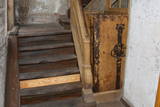 |
Atrodas Baznīcas ielā 17. Mūsdienās redzamo ēku cēla 17. gs. kā Kuldīgas birģermeistara dzīvojamo māju. 1701. gadā tajā uzturējies Zviedrijas karalis Kārlis XII, kurš tās priekštelpā atstāja lielu lādi (2 x 2,5 m), kas pēc restaurācijas joprojām ir brīvi apskatāma. Kā to izdarīt? Jāatver durvis un jāieiet priekšnamā, kur lāde redzama no abām pusēm. Tā kalpojusi kā karaļa apģērba glabāšanas vieta. |
|
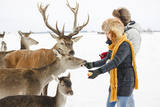 |
„Barono vila” – paradīzes stūrītis, kurā ir plašs un dziļš zivju dīķis, brieži un dambrieži, kas ganās iežogotos aplokos, aitas, sēņu un ogu bagāti meži, dzidri ezeri un tūristu iecienītie Sventājas upes loki. Viesu nama restorānā tiek pasniegts svaigs, garšīgs un kvalitatīvs ēdiens, izsmalcināti brieža, dambrieža un aitas gaļas ēdieni, krāsnī cepta lietuviešu rudzu maize un uz ugunskura gatavots firmas ēdiens „Barona plovs”. |
|
 6 dienas
|
This section of the Forest Trail leads through the entire Gauja National Park and gives an opportunity to see all the most beautiful places and sights of this national park of more than 100 km. Gauja National Park is the oldest and largest national park in Latvia. The ancient valley of the River Gauja is the deepest river valley in the Baltic states. The banks of the River Gauja reveal colourful sandstone outcrops, which are reflected in the water. The sights are most wonderful in springtime, when bird cherry trees are in full bloom, and in autumn, as the trees turn red and yellow. The ancient valley of the River Gauja has a distinctive terrain relief that can fluctuate by up to 80 m. The largest part of the road leads through forest paths, along the river, and exits the woods in Līgatne and Sigulda. Almost half of the park is covered by forest. Gauja National Park is known for the great diversity of specially protected forests, featuring herbaceous spruce forests, slope and ravine forests, as well as mixed broadleaf forests. |
|
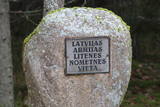 |
Litenes vārds saistās ar vienu no traģiskām Latvijas vēstures lapaspusēm. 20. gs. 20. - 30. gados netālu no tās atradās Latvijas armijas vasaras nometne, kur 1941. g. vasarā pret latviešu virsniekiem tika vērsts komunistiskā režīma terors: gandrīz pustūkstoti latviešu armijas virsnieku aizsūtīja uz Noriļsku Sibīrijā, daļu nošāva un slepus apraka tuvējā mežā. 1941. g. vasaras beigās hitleriskās Vācijas armija te nošāva ap 300 civiliedzīvotājus, g.k. ebrejus. Mūsdienās, godinot bojā gājušo piemiņu, izveidotas atceres un piemiņas vietas. |
|
 |
Pilnveidojot sentēvu radītās receptes (vienu no vecākajiem maizes pagatavošanas veidiem, kas nācis no 12. gadsimta) un sekojot līdzi mūsdienu “garšu pieprasījumam”, ceptuves saimnieks Jānis Kurpnieks pēc paša radītajām receptēm maizi ir papildinājis arī ar īstiem ķiplokiem, sēklām, dzērveņu sukādēm, žāvētiem augļiem utt.. “Tērvetes maize” piedāvājumā ietilpst vairāk nekā 12 maizes veidi, tajā skaitā augļu un ogu maize, kas kļūst par veselīgu desertu un, ko var ēst smalkmaizīšu vietā. Savukārt, tik pieprasītā tīrgraudu maize, kurā nav ne grama miltu -šī veselīgā uzkoda guvusi īpašu atzinību vegānu un veģetāriešu vidū. Ceptuves lielākais lepnums ir rudzu pilngraudu rupjmaize un saldskābmaize, kuru sastāvā nav kviešu miltu, kas mūsdienās ir liels retums. Rudzu maizes mīklu plaucē, kā rezultātā veidojas dabīgie cukuri, E un B vitamīns. Mīklu raudzē ozolkoka abrās ar pašu gatavotu ieraugu no abrkaša (iepriekšējā cepiena mīklas). Katrs klaips tiek veidots ar rokām uz lizes. Maizi cep īstā ar skujkoka malku kurināmā krāsnī. Rupjmaize no citiem mājražotājiem Latvijā atšķiras ar to, ka tā tiek cepta lielos klaipos, kas ir 8- 9 kg smagi un garumā sasniedz pat pus metru. Šādā klaipā maizes garšas “buķete” būs spēcīgāka un derīguma termiņš ilgāks. Rupjmaize ar šķeltajiem rudzu graudiem un tīrgraudu (bezmiltu) maize ir saņēmusi “Zelta kvalitātes zīmi” pārtikas produktu konkursā – “Novadu garša Latvijā 2020”. Tiek piedāvātas ekskursijas un meistarklases, kurās var iepazīt maizes tapšanas procesu un pašiem līdzdarboties tās pagatavošanā. |
|
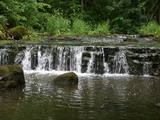 |
Abavas senlejas posms no Kandavas līdz tās ietekai Ventā ir ainaviskā un reljefa ziņā izteiksmīgākais upes ielejas posms Kurzemes novadā. Abavas ielejas dziļums sasniedz 30 – 40 m, platums – līdz pat 300 un vairāk metriem. Teritorija izceļas ne tikai ar lielu bioloģisko (> 800 augu sugu) un biotopu daudzveidību, dabas pieminekļiem – avotiem, ūdenkritumiem, iežu atsegumiem, dižakmeņiem, bet arī ar daudzajiem kultūrasvēstures pieminekļiem – pilskalniem, baznīcām, senkapiem, kultūrainavu, kā arī mazpilsētām – Kandavu un Sabili, kuru centri ir pilsētbūvniecības pieminekļi. Sabiles Vīnakalns un Pedvāles mākslas brīvdabas muzejs ir ļoti populāri tūrisma objekti. Kultūras vērtību aizsardzības nolūkos izveidota kultūrvēsturiskā teritorija „Abavas ieleja”. Lai „uzturētu” ielejas ainavu, Drubazās un Tēvkalnos „saimnieko” dzīvei savvaļā pielāgotie mājlopi. Tūristiem izveidotas dabas takas, bet Abava ir populārākā Kurzemes ūdenstūristu upe. Diemžēl, neskatoties uz ārkārtīgi lielo tūrisma un resursu potenciālu Latvijas mērogā, tie šobrīd ir nepietiekami minimāli izmantoti. |
|
 |
Veselībai un pilsētvidei draudzīga transporta – velosipēda lietotāji putnu vērošanas torni var sasniegt pa Ķengaraga promenādes veloceliņu. Tornī izvietoti putnu attēli, kas nezinātājiem atvieglo ūdensputnu vērošanas un atpazīšanas procesu. Redzamas plašas Daugavas ainavas. |
|
 |
Atpūtas vieta Braslas upes krastā. Tajā ir galdi piknikam, nojumes ar galdiem, ugunskura un telts vietas. Pieejamas divas divvietīgas naktsmītnes. |
|
 |
Kafejnīca Ugandi ir mājīga vieta pašā Otepää sirdī, kur valda silta gaisotne, patīkamas noskaņas un garšas ir tīras un tīkamas. Ierodoties tūliņ sajutīsiet kvalitatīvas kafijas un saldu maizīšu smaržu. Lielā vitrīna ir pilna gardām kūkām – tās var baudīt gan uz vietas, gan iegādāties līdzņemšanai. |
|
 |
Atrodas Rīgas – Daugavpils autoceļa (A 6) 118. kilometrā. |
|
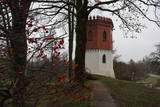 |
No 15. gs. Priekulē valdījusi baronu Korfu dzimta. Viens no viņiem - Johans Albrehts Korfs (1697. – 1766.) bijis Pēterburgas Zinātņu akadēmijas prezidents (1734. - 1740. g.), diplomāts un literāts, kas pētījis Kurzemes vēsturi. Priekules pils atrodas rietumos no Aizputes ielas, Virgas upītes ielejas krastā. Sākotnēji Priekules muižas pili cēla 18. gs., taču 19. gs. beigās notika lielāki ēkas pārbūves darbi, kuru projekta autors bija pazīstamais Liepājas arhitekts Pauls Makss Berči (1840. – 1911.). Mūsdienās ēkā atrodas Priekules vidusskola. Nepilnus 100 m austrumos no ēkas koku ieskāvumā slejas muižas skatu tornis (celts 19. gs. beigās), kurā plīvo Latvijas valsts karogs. |
|
 |
Vairākas ēkas, kurās var iepazīt Vidzemes lībiešu vēsturi un kultūras mantojumu, izbaudot novadam kādreiz raksturīgos ēdienus un dzērienus – bukstiņbiezputru un škaļiku, kas ir pēc senām receptēm darināts stiprs alkoholisks dzēriens. Tūristu grupas īstā lauku krāsnī var izcept rupjmaizi, bet audēju namiņā – vērot audēju darbošanos un iegādāties no dabīgiem materiāliem (t.sk. meldriem) darinātas praktiskas lietas un suvenīrus. Latviešu virtuve: Putraimu putra ar gruzdumiem (sacepti gaļas kriksīši ar sīpoliem) un dzērveņu - brūkleņu zapti vai mērci, zāļu tēja ar dzērveņu sīrupu, škaļiks - alkoholisks dzēriens. |
|
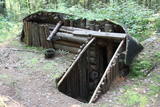 |
2. pasaules kara laikā starp Vietalvu un Jaunkalsnavu aktīvi darbojās nacionālie partizāni komandiera Riharda Pārupa vadībā. To darbība tika pārtraukta 1946. g. Zemnīca atrodas grūti pieejamā un nezinātājam – atrodamā vietā – Vesetas palienes purva dabas liegumā. Laipu taka, kas ved no A puses vasarā ir ieaugusi biezā niedrājā. 2010. g. bargajā ziemā zemnīcai iebruka jumts, taču entuziasti plāno to atjaunot. Blakus tam uzstādīts balts krusts, uz kura ir lasāmi bojā gājušo partizāņu uzvārdi.
|
|
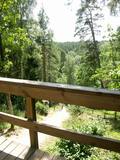 |
Viens no ainaviski izteiksmīgākajiem Latvijas pilskalniem ar ļoti labu skatu uz plašu apkārtni līdz pat Lietuvai. Pēc Latvijas pilskalnu pētnieka E. Brastiņa domām šeit atradusies zemgaļu Sidrabenes pils. Nelabiekārtots.
|
|
 |
Ātrās apkalpošanas kafejnīcas ar plašu ēdienu sortimentu visas dienas garumā. Sortimentā iekļauti latviešu nacionālie ēdieni, kā arī citu tautu ēdieni. Izbraukuma banketi, dažādu viesību mielasti, semināru apkalpošana, sporta spēļu un sporta nometņu ēdināšana. |
|
 |
Atrodas pilsētas centrā – Tukuma ledus halles ēkas otrajā stāvā. Piedāvā maltītes visām ēdienreizēm, klāj galdus pasākumiem, īrē telpas dažādiem pasākumiem. |
|
 |
Skroderkrogs atrodas vienstāvu koka ēkā Ventspils centrā pie Planetārija. Nosaukumu galvenokārt ieguvis, pateicoties savai atrašanās vietai uz Skrodera ielas. Krodziņa interjers veidots senatnīgā stilā, izmantojot dažādus agrāko laiku sadzīves un amatniecības priekšmetus. Piedāvājumā gan dažādi zivju un gaļas, gan veģetāri ēdieni, dažādi salāti un deserti. |
|
 |
Avinurmes kokdarbu klētī draudzīgi blakus sadzīvo tūrisma centrs un Avinurmes galdnieku darbnīca. Kokdarbu klētī atradīsiet Igaunijā bagātāko skalu ražojumu klāstu, daudz pirtij nepieciešamu priekšmetu un ikdienā mājsaimniecībā izmantojamu koka trauku. Šeit tiek organizētas dažādas radošās darbnīcas: grozu pīšana, filca velšana, maizes cepšana, sveču liešana, galošu apgleznošana u.tml. Šeit atrodas arī tūrisma informācijas centrs, kur iespējams iepazīties ar vietējiem koka izstrādājumiem. Pieejama arī kafejnīca, kurā tiek piedāvāti Peipusa apkārtnes ēdieni, kas tiek pasniegti uz koka izstrādājumiem, turklāt šeit pieejama arī pašcepta rupjmaize. Veikalā ir plaša koka izstrādājumu izvēle. |
|
 |
Zirgu un cilvēku labsajūtas centrs "Dabas zirgi" atrodas Pierīgā, vēsturiskajā Mežinieku apkaimē. "Dabas Zirgos" piedāvā pastaigas ar zirgu, ekskursijas pie zirgiem ar zirgu barošanu, izjādes ar zirgu. Šeit ir ierīkota nojume, grils un ugunskura katls svētku svinēšanai. Iepriekš vienojoties, var pasūtīt arī brokastis, pusdienas un vakariņas. Pieejama pirts un baļļa. Saimnieki aicina pie sevis pavadīt arī ilgāku laiku, nakšņojot jaunizveidotajā glempingā, skaistā vietā meža vidū pie Misas stāvkrasta. Glempinga teltī ir divguļamā gulta un dīvāns, ledusskapis, kafijas aparāts, tējkanna, šķīvji, krūzes, glāzes un ēšanas piederumi, spēles bērniem. Ārpus telts ir pieejama āra duša, Toi Toi mazmājiņa ar ūdeni un dezinfekcijas līdzekļiem, latvju zīmēm rotāta ugunskura vieta ar malku un ērtiem krēsliem vakara baudīšanai, galds ar krēsliem ēšanai. Šis piedāvājums ir tapis sadarbībā ar sociālo uzņēmumu "Kultūras tūrisms". |
|


