
| Nr | Nosaukums | Apraksts |
|---|---|---|
 5 dienas
|
Kurzemē un Zemgalē hercogs Jēkabs valdīja no 1642. līdz 1682. gadam, tajā laikā strauji attīstījās kuģu būve, parādījās pirmās manufaktūras un uzlabojās lauksaimniecības ražošanas apjomi. Kuģi eksportēja preces uz Eiropu, devās uz Tobago un Gambiju, dibināja tur kolonijas un veda uz Eiropu cukuru, kafiju un garšvielas. Šajā periodā Latviju sasniedza kartupeļi, ko vietējie iedzīvotāji iemīļoja vien pēc pāris gadsimtiem. |
|
 |
Nepilnus 3 km garais tirdzniecības kanāls padomju laikā bija slēgtā zona ar pierobežas režīma statusu. Liepājas osta bija pazīstama jau 14. gadsimtā. 17. gs. beigās šeit izraka kanālu, kas savienoja Liepājas ezeru ar jūru – tagadējo Tirdzniecības kanālu. Tas beidzas ar Ziemas ostu un diviem moliem, no kuriem Dienvidu mols ir iecienīta pastaigu un makšķerēšanas vieta. Tirdzniecības kanāla dienvidu daļā stiepjas Promenāde, kuras malā ir apskatāms Dzintara pulkstenis. Tirdzniecības kanāla un Liepājas ezera savienojuma vieta ir Latvijas mērogā izcila ziemojošo putnu vērošanas vieta. Liepājas ezers ir dabas liegums, kas iekļauts putniem starptautiski nozīmīgo vietu sarakstā. |
|
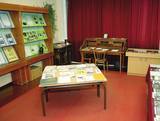 |
Bērzgales novadpētniecības muzejs dibināts 1988. gadā. Tajā
iekārtota rakstnieka Antona Rupaiņa (1906 – 1976) piemiņas istaba,
ekspozīcija par pagasta vēsturi, tā ievērojamiem cilvēkiem un
kultūrvēsturiskajām tradīcijām.
Darba laiks: P. - Piekt: 9.00 – 12.00,13.00 – 17.00, S., Sv : pēc pieteikuma |
|
 |
Desu un kūpinājumu ražošana no saimniecībā audzētām cūkām. Cūku barībā saimniecība izmanto pašu audzētus graudus (nav apstrādāti ar glifosātiem) un nemodificētās sojas pupiņas, kuras saimniecība pati izaudzē. Desu un kūpinājumu sastāvā ir gaļa un garšvielas. Kūpināšanas procesā izmato tikai dabīgo alkšņa malku. |
|
 |
Põlvamaa, vēsturiskā pasta ceļa malā, atrodas zemnieku virtuve un atpūtas māja Kopli, kur valda prieks un patīkamas garšas. Zemnieku virtuve Kopli piedāvā mājīgu kopābūšanu un privātā restorāna pakalpojumus. Vasaras periodā darbojas kafejnīca. Šeit visu gadu gatavo dželato tipa saldējumu. |
|
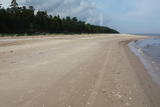 |
1869. g., dažus gadus pēc Ainažu jūrskolas dibināšanas, Ģipkā tika dibināta pirmā jūrskola Kurzemē. Šī bija 2. kategorijas jūrskola, kurā sagatavoja tālbraucējus stūrmaņus un tuvbraucējus kapteiņus. 1894. g. jūrskolu pārcēla uz Mazirbi. Pirms jūrskolas atvēršanās šajā ēkā no 1860. g. darbojās skola, bet 1867. g. speciāli jūrskolai, ēkai tika uzcelts otrais stāvs. Tā ir saglabājusies līdz pat mūsdienām un pārveidota par dzīvojamo māju. Skola (Ģipkā un Mazirbē) savas pastāvēšanas 28 gados devusi vairāk kā 200 profesionālu jūrnieku un tai bija liela nozīme kuģu būves veicināšanā piekrastes lībiešu ciemos. (Avots: Rojas TIC) |
|
 |
Atrodas Talsu centrā, tirdzniecības centra „Talsu centrs” trešajā stāvā. Moderns, mūsdienīgs interjers. |
|
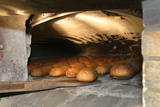 |
"Lāči" ir maizes ceptuve ar senu vēsturi. Tajā maize tiek cepta ar malku kurināmās krāsnīs, izmantojot tikai kvalitatīvas izejvielas, dabīgu ieraugu un plaucējumu. Mīkla tiek raudzēta īstās koka abrās un mīcīta ar rokām. Ceptuvē tiek gatavota rudzu, kviešu un jauktā kviešu - rudzu un rudzu - kviešu maize. Rudzu maize tiek cepta no rupjiem un skrotētiem rudzu miltiem. Ceptuvē iespējams doties ekskursijā, veidot un cept maizi. Tāpat var ieturēt maltīti krodziņā, kur ēdiena gatavošanā izmanto „Lāču” produkciju, kombinējot ar sezonāliem un vietējo zemnieku produktiem. Iespējams arī iegādāties šeit saražoto produkciju. |
|
 |
Produktu izgatavošana no ārstniecības augiem - tējas, sīrupi, augu pulveri, ziedes. Pakalpojumu piedāvājums - ekskursijas, radošās darbnīcas, meistarklases, pirts. |
|
 |
Krodziņš Kaali jau ilgus gadus saviem viesiem piedāvā labākos igauņu un sāremiešu ēdienus un dzērienus no vietējām izejvielām, kā arī iepazīstina ar salas kultūru un vēsturi. Kaali meteorīta krātera un muzeja apmeklētāji šeit var nobaudīt gardu maltīti. |
|
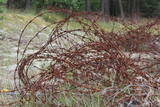 |
Raķešu bāze pretgaisa aizsardzībai izvietota plašā teritorijā dienvidos no Pāvilostas. Pamesta un degradēta dabas teritorija, kur izvietotas brīdinājuma zīmes "Bīstami, apdraud dzīvību".
|
|
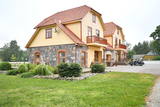 |
Kādreizējās Kantküla ēdnīcas telpās iekārtota ēdināšanas vieta, kur piedāvā no svaigām vietējām izejvielām pagatavotu ēdienu. Pusdienas tiek pasniegtas bufetes veidā, vasaras periodā tiek piedāvāta arī a la carte jeb brīvizvēles ēdienkarte. Tiek piedāvāta arī nakšņošana un ēdināšanas pakalpojumi. |
|
 |
Zemnieku saimniecībā "Vītoliņi" nodarbojas ar zirgaudzēšanu, kā arī ar jāšanas apmācību. Iespējamas izjādes pa mežu un vizināšanās pajūgā. |
|
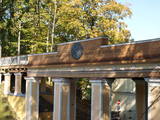 |
No 19. gs. – publisks parks ar takām, celiņiem, tiltiem (Eņģeļu tilts, Velna tilts) un pieminekļiem, kas veltīti Tartu universitātes zinātniekiem. Te meklējama Doma baznīca, anatomikums, observatorija u.c. interesanti objekti. |
|
 |
Atrodas Talsu dienviddaļā, netālu no pilsētas apvedceļa – aptuveni kilometra attālumā no Talsu centra. Uzņēmums ar ilgām ēdināšanas tradīcijām. Klāj galdus svinīgiem pasākumiem un piedāvā plašu ēdienu klāstu no sātīgām maltītē līdz dažādiem konditorejas našķiem. |
|
 |
Namdaris Rinalds Dundurs būvē, atjauno un restaurē vecās koka ēkas. Veido nestandarta masīvkoka mēbeles, bērnu rotaļlietas un lampas. Darbus veic sadarbojoties ar Latvijas dizaineriem. |
|
 1 diena
|
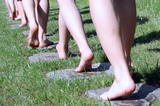
The Barefoot Path begins at the Valguma Pasaule Recreation Centre by Lake Valgums, which is surrounded by forest. The recreation centre includes a hotel and restaurant, and offers nature-based services such as the Barefoot Path and other walking trails. The Barefoot Path is a 2.6 km long trail through the natural environment, along which visitors walk barefoot and experience a variety of surfaces including pine cones, glass balls, small stones and shingles of various shapes, moss, fine sand, clay, river water, turf, gravel, reeds, chipped wood, pinewood logs, wooden poles and millstones. Walking barefoot has a number of positive health effects: it strengthens the immune system; it improves blood circulation and stabilises blood pressure; it strengthens the leg and foot muscles, joints and ligaments; and it enhances relaxation, and aids mental and physiological stability. The walk is led by an English-speaking guide. Before the walk, visitors receive a briefing. It is recommended that visitors wear comfortable outdoor clothing, appropriate for the weather. After walking the barefoot path, visitors usually feel energised, strong and happy. The walk finishes with a relaxing herbal foot bath. |
|
 |
Krodziņš „Četri vēji” atrodas Rīgas - Liepājas autoceļa (A9) 72. km. Krodziņā tiek piedāvāti dzīvās mūzikas vakari. Latviešu virtuve: Vidzemes salāti, siļķe ar biezpienu un krējumu, pelēkie zirņi ar speķi, sautēti kāposti ar desiņām, kāpostu tīteņi, kartupeļu pankūkas, maizes zupa, rupjmaizes kārtojums. Īpašais ēdiens: „4 vēji” – cūkgaļa ar štovētiem kāpostiem un kartupeļiem uz karstas pannas. |
|
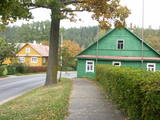 |
Palūšē atrodas nacionālā parka administrācija (izveidota neliela ekspozīcija) un tūrisma informācijas centrs, kempings, nesen atjaunotā laivu bāze un viens no biežāk apmeklētajiem parka objektiem – Palūšes baznīca (Palūšės bažnyčia), kas celta 1757. gadā. 2008. g. No dievnama apkārtnes paveras jauks skats uz Lūšu (Lūšiai) ezeru, īpaši saulrietos, kad baznīca iegūst teiksmainu nokrāsu. Blakus baznīcas žogam aug vecais Palūšes ozols. Uzskata, ka tā vecums varētu būt ~ 350 – 400 gadi. |
|
 1 diena
|
Dodieties ekskursijā, lai gūtu ieskatu lauku profesijā un dzīvesveidā, kā arī iegūtu jaunus iespaidus un labu atpūtu visai klasei. Ekskursijas laikā apmeklējiet mini zoo, kur apskatāmas aitas, kazas, Ķīnas lielās cūkas, truši, dažādi eksotiskie dzīvnieki un putni. Bērniem īpašu prieku sagādā saskarsme ar mājdzīvniekiem un Japānas makaka – pērtiķa Nilsona izdarības. Pēc tam apmeklējiet zemnieku saimniecību, kurā izveidots atrakciju parks ar vairāk kā 20 atrakcijām 3,5 hektāru platībā. Ekskursijas noslēgumā dodieties uz atpūtas kompleksu pašā Zemgales sirdī, lai apskatītu vējdzirnavas un izceptu paši savus pīrāgus. |
|


