
| Nr | Nosaukums | Apraksts |
|---|---|---|
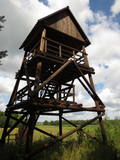 |
Atrodas Skuķu ezera dienvidrietumu krastā. Sasniedzams no Putnu salas, ejot cauri dzīvei savvaļā pielāgoto mājlopu aplokiem un taku. No torņa labi pārskatāma Dvietes paliene (ūdeņainos pavasaros pārplūst) un aizaugušais Skuķu ezers. Laba putnu vērošanas vieta. Putnu salas Atālu mājās – vietējais gids. |
|
 |
Pašā Mulgimaa sirdī ierīkota ģimenes alusdarītava, kur ciena vietējos ēdienus un dzērienus. Apmeklētāji var vērot alus darīšanas procesu, kā arī nogaršot dažādas Mulgi alus šķirnes. |
|
 |
Iespēja ielūkoties audējas, rokdarbnieces, ekoloģisko rotaļlietu radītājas, tekstilmākslinieces projekta “100 deči Latvijai” autores Anneles Slišānes senajās Latgales lauku mājās.
|
|
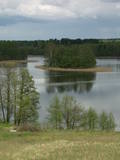 |
Vecslabadā starp Dziļezeru, Audzeļu un Istras ezeru atrodas pussala, no kuras augstākās vietas paveras viens no savdabīgākajiem Zilo ezeru zemes skatiem uz ezeru salām un Vecslabadas ciemu ar tā baznīcu stāviem. Netālu atrodas Istras ezera dabas liegums.
|
|
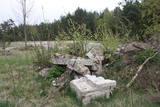 |
Armijas degvielas noliktavas bija daļa no Papē izvietoto militāro objektu kompleksa. Degvielas cisternas no šīs vietas ir izvāktas un vairs nepastāv. |
|
 |
Tas atrodas pie „Burtnieku” mājām Īlē, kur viņš dzīvojis no 1837. – 1845. gadam. Tēvs Juris Barons apglabāts Īles kapsētā. Savu vārdu nemirstīgu Krišjānis Barons darījis, vācot, sistematizējot un sastādot Latvju Dainu krājumu. Tautasdziesmas jeb dainas ir mazi, ritmiski dzejolīši, parasti četrrindes. Pie Latvju dainu vākšanas Barons pavadījis sava mūža lielāko daļu – apmēram 25 gadus gandrīz dienu pie dienas. |
|
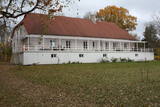 |
Muiža vēsturiskajos avotos ir minēta jau 1560. gadā. Tagad redzamā kungu māja ir celta no akmens 1805. g. Padomju laikos tajā atradās Matsalu rezervāta administrācija, bet mūsdienās ēkā ir izveidota viesnīca. Līdz muižai nokļūstam pa skaistu aleju, kuras apkaimē ir redzamas citas muižas kompleksa ēkas. |
|
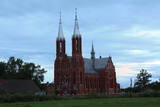 |
Redzama jau pa lielu gabalu no abiem Daugavas krastiem. Baznīcu cēla 1909. - 1913. gadā. Kā interesants ir jāmin fakts, ka tās būvniecībā izmantoto sarkano ķieģeļu kvalitāte bijusi slikta, tādēļ kopš 1939. g. ir nomainīti ap 60 000 ķieģeļi! Neskatoties uz to, dievnams ir nominēts kā viena no iespaidīgākajām Latvijas sakrālajām celtnēm. Tās būvniecībā pielietoti neogotikas stila dekoratīvie elementi, bet interjera iekārtas - altāris, kancele, ērģeļu luktas, baznīcēnu soli un mūsdienās izgatavotie biktssoli ir veidoti gotiskās formās. Ērģeles būvētas 1931. gadā. Baznīca cieta 1. pasaules kara laikā un to atjaunoja 1921. g. To ieteicams apmeklēt gida pavadībā. |
|
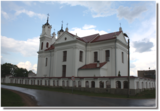 |
Atrodas nelielās Dvietes centrā. Tās baltais stāvs ir redzams jau pa lielāku gabalu. Pirmo koka baznīcu šeit cēla 1775. g. vietējās muižas īpašnieka grāfa J. K. Višlinga vadībā. Pēcāk dievnamu nojauca un pārveda uz Zarinku kapiem. Mūsdienās redzamās Dvietes katoļu baznīcas (neobaroka stilā) ar diviem torņiem celtniecību 1864. g. īstenoja ar grāfa Kazimira Plātera - Zīberga dotā finansējuma palīdzību. Dievnamu sagrāva 1. pasaules kara laikā, tāpēc līdz tā atjaunošanai un iesvētīšanai 1929. g. kā lūgšanu telpu izmantoja Dvietes muižas magazīnas klēti (divslīpņu jums), kas atrodas Dvietes – Bebrenes ceļa malā un tagad ir atjaunota. 1940. g. apkārt baznīcai uzcēla mūra žogu ar kārniņu jumtu, bet 20. gs. 70. gados uzbūvēja draudzes māju. Dievnamā ir īpaši grezns sakrālā baroka interjers, ko uzskata par krāšņāko bijušajā Daugavpils rajonā.
|
|
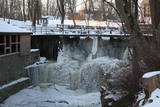 |
Atrodas pie Kuldīgas pils dzirnavām, kur straujā Alekšupīte pirms ietekas Ventā izgrauzusi dziļu „kanjonu” dolomītā. Šo dēvē par vienu no augstākajiem Latvijas ūdenskritumiem (4,15 m). 17. gs. ūdenskritumu ievērojami pārveidoja – paaugstināja un nostiprināja, lai Alekšupītes straumi izmantotu dzirnavu darbināšanai. Upītes kreisais krasts ir labiekārtots. |
|
 2 dienas
|
Teiksmainie Šlīteres Zilie kalni ir pazīstami jau no seniem laikiem, kad tajos „pirāti” kurināja viltus ugunskurus, lai jūrasbraucēji uzskrietu uz Kolkasraga sēkļiem. Mūsdienās Slīteres nacionālā parka piekrasti tēlaini sauc par Baltijas jūras brīvdabas ģeoloģijas muzeju, jo šeit apskatāms Baltijas ledus ezera senkrasts, Ancilus ezera krasta kāple un Litorīnas jūras kāpu veidojumi (kangari, vigas), kas uzskatāmi parāda Baltijas jūras attīstības vēsturi. Šo teritoriju vēsturiski apdzīvojuši lībieši, kuru zvejniekciemi ir nozīmīga vienas no pasaulē mazākās minoriotātes kultūrvidēm. Maršruts posmā no Kolkas līdz Mazirbei iet pa veco krasta ceļu, kas izlokas cauri lībiešu ciemiem. Slīteres nacionālais parks ir viena no augiem bagātākajām Latvijas teritorijām, bet Kolkasrags – viena no populārākajām putnu vērošanas vietām. Maršruta informācija no Latvijas Lauku foruma |
|
|
|
Taka ap Ozolu Mazezeru. Purvaino krastu posmā, ap ezera rietumu galu, ierīkotas gājēju laipas. Novērojami purva, meža un ezera augi, dzīvnieki un biotopi. Jūlija beigās īpaši krāšņi zied ūdensrozes. Blakus atrodas Ozolmuiža ar parku.
|
|
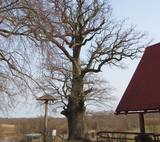 |
Turbu dižozols aug Mazās Juglas stāvkrastā, atpūtas kompleksa Turbas teritorijā. Dižozols ir aptuveni 800 gadu vecs, tā apkārtmērs ir 7,1 m, augstums - 27 m, vainags 18x16 m. Dižozols ir ļoti labā stāvoklī. Zaļo viss vainags. Ozolā ligzdo pūce, kā arī iecienījuši daudzi citi putni. Zinātāji runā, ka Ozols ir ar spēcīgu dziedniecisku enerģiju. |
|
 |
Atrodas Cēsu rietumdaļā – pie ceļa, kas ved uz Cīrulīšiem. Piedāvājumā – plašs ēdienu klāsts no brokastīm līdz vakariņām. |
|
 |
Piedāvā pirts rituālus ar sildīšanu un pēršanu ar slotām, kontrasta procedūrām, dažādām maskām un augu skrubjiem. Saimniecībā ražo un popularizē ārstniecības augu lietošanas tradīcijas. Piedāvājumā dažādas zāļu tējas. Atkarībā no gadalaika, iespējams baudīt un iegādāties dažādus augu sīrupus. Izgatavo zāļu paklājus pirtij. |
|
 |
Atrodas 2,5 km dienvidos no „Kalna Kaibēniem”, Ogres kreisajā krastā. Ap 300 gadus vecā rija, ko atjaunoja 2008. gadā ir uzskatāms par Baltijas (Eiropas) mērogā vienreizēju koka arhitektūras pieminekli. Šobrīd tā ir Latvijā lielākā senlaiku dzīvojamā rija. Iespējams, ka kādam var būt arī grūtības ar šī objekta atrašanu dabā. Apmeklējums iepriekš jāpiesaka: + 371 29266840. |
|
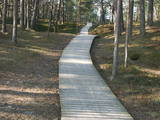 |
Plieņciema taka atrodas dabas liegumā "Plieņciema kāpa" starp Plieņciemu un Ķesterciemu. Pāri kāpai ir izveidota laipu taka un atpūtas vieta. Taka ir izveidota, lai mazinātu negatīvo ietekme uz Plieņciema kāpas dabas vērtībām – zemsedzes nomīdīšanu, piegružošanu ar atkritumiem, braukšanu ar autotransportu.
|
|
|
|
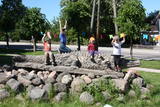
Māras birzs atrodas apmēram 4 km no Īles, Zebrenes virzienā. 2012.gada pavasarī iestādītā piemiņas birzs ir biedrības „Zebrus draugi” veltījums šīs apkaimes ļaudīm un viņu dzimtajām mājām, kas pēdējā gadsimtā ir zudušas no Latvijas kartes. Valsts meža izcirtumā iestādīto jauno kļavu, liepu un ozolu birzs centrā izveidots Māras altāris – simbolisks akmeņu krāvums, kurā katrs, kas jūt piederību šim apvidum, var pievienot savu akmeni. Birzs projekta un altāra autors - V.Lukjanovs. |
|
 8 dienas
|
The route brings you to Kaunas, multiple Lithuanian regional parks and allows to enjoy the landscapes of the river Nemunas. Kaunas is Lithuania’s second largest city. It is notable for its modernist architecture. The city is located at the confluence of the two largest Lithuanian rivers: Nemunas and Neris. Moving further from Lampėdžiai to Vilkija, the Forest Trail runs for two days along trails and small countryside gravel roads next to the right bank of the river Nemunas. This section is shaped by beautiful landscapes with views of the river, the waterfront meadows and small villages. Do not miss the ferry in Vilkija crossing over the river Nemunas, one of the few still in operation in the Baltic States. For the next two days from Vilkija, the Forest Trail runs through its most spectacular sections in the Dubysa Regional Park from Kirkšnovė to Šiluva with mounds on riverbanks and historical churches now and there. This regional park covers the impressive Dubysa river valley, which reaches a depth of 40 m and a width of up to 500 m. Be prepared for a rolling terrain. Next, the route will take you to the town of Šiluva – the Catholic pilgrimage site – and to the Kurtuvėnai Regional Park. It is among the most forested areas of Central Lithuania; thus, the regional park with its glaciated valleys is a wonderland of forests, waters and wetlands. The Forest Trail leads along small forest paths, tourist trails, beautiful tree alleys and wetlands. The walk ends in Šaukėnai village, from where the city of Šiauliai is easily reached. |
|
 |
1995. g. darinātā (tēlnieks O. Skarainis) skulptūra novietota ceļa krustcelēs (E. Dinsberģa un Talsu ielas krustojums) pie Dundagas pienotavas. „Krokodils” ir veltīts Dundagas stiprajiem vīriem un bijušajam dundadzniekam Arvīdam Blūmentālam (1925. – 2006.), kas dzīvoja Austrālijā, bija liels dēkainis un medīja krokodilus (~ 10 000). A. Blumentāls bijis prototips slavenajā Pola Hogana filmā “Krokodilu Dandijs”. |
|


