
| No | Name | Description |
|---|---|---|
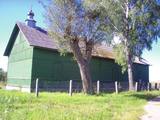 |
Kampišķi Old-Believers Prayer House was reconstructed in 1931
by architect V. Šervinskis. The building is very high and spacious; has two cells and a rectangular belltower with the cross on the top.
|
|
 |
Atrodas pie tilta (Akadēmijas iela 1) pār Lielupi. 1574. g. pēc Kurzemes – Zemgales hercoga Gotharda Ketlera pavēles uzsāk jaunas baznīcas celtniecību. Dievnama tornis tapa laikā no 1686. g. – 1688. g., bet 1862. g. to paaugstināja līdz 80,5 m. Baznīca nodega padomju aviācijas uzlidojuma laikā 1944. g. 27. jūlijā. 1954. g. Padomju armijas sapieri uzspridzināja ēkas atliekas. 2009. g. sākās baznīcas torņa rekonstrukcija un šobrīd tajā izveidots izcils interaktīvais muzejs (īpaši draudzīgs bērniem) un stiklota skatu platforma. |
|
 |
This business offers cheeses with various flavours that are sold at green markets in Gulbene and elsewhere in Latvia. It accepts orders. |
|
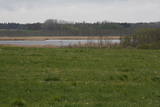 |
Nature restricted area surrounds Tasu Lake and swampy shores of it in a narrow band. The territory was established to protect rare nesting and migratory birds. The territory is easily overseen from the narrow gravel roads all around the area not entering the actual protected area. Tasu Manor house is located to the South of nature restricted area.
|
|
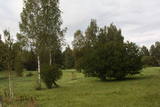 |
Work on the arboretum, which covers 15 hectares of land, began in 1968, and it was meant to be a landscape park. The first plants were planted in 1972. During the fierce winter of 1976, sadly, many of the plants froze. In 1987, the park was redesigned. At that time it had 234 types of deciduous trees, coniferous trees and bushes. There are signs showing the Latin and Latvian names of the various plants
|
|
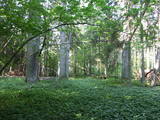 |
This is a fairly unique territory in Latvia – a vast forest of oak trees (many of them very large, indeed), linden trees, elms and various other deciduous trees. In the company of a forest guide, the visitor can walk through a small part of the forest, learning about the inhabitants of the area and their importance. This is an environmentally protected zone.
|
|
 5 days
|
This route involves unique views that have never been seen before in Latvia! The impressively steep shoreline of the Baltic Sea begins a few kilometres to the North of Pāvilosta and ends shortly before Ošvalki, stretching for nearly 20 kilometres in all. Its most impressive and unusual forms are seen between Strante and Ulmale. The entire route leads down the western boundary of the former Iron Curtain, because the Baltic Sea coastline was militarised during the Soviet era and unavailable to most people. Remnants of former military objects and old tank routes in the dunes can still be seen. The largest biotopes of grey dunes stretch for several kilometres around Ventspils and Užava. These are unusual landscapes that can seldom be seen elsewhere in Europe. You can walk more than 10 kilometres here and not see another soul. Route information from Latvijas Lauku forums |
|
 |
A pavilion and rotunda on the Island of
Love, designed in the style of Classicism in
1928. There was once a boat pier here. The
object is run down and dangerous for visitors,
but there are plans to restore it.
|
|
 |
A family restaurant, located next to the Melluži open-air stage in Jūrmala, 27 km from Riga. European and Latvian cuisine for all of the meals of the day, including soups of the day, salads, main courses, and a selection of desserts. All of this in a wonderfully cosy atmosphere. |
|
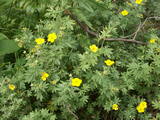 |
This is a swamp into which sulphurous waters flow, and it is on the left bank of the Abava River valley. This is the only place in Latvia where the protected shrubby cinquefoil is found in the wild. This bush covers approximately one-fifth of the restricted territory. It also includes forests, various kinds of meadows and sulphurous streams, including the one which is known as the Devil’s Eye. |
|
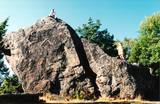 |
The Rock of Jana - Toma is claiming itself to be the highest (almost 8 m) rock in The Baltic. It is located in Kasispea village. |
|
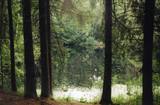 |
Another area where the manifestations water-soluble lime in the earth can be found. As the lime dissolves, there are empty areas underground which eventually collapse. To the East of Skaistkalne is a leisure area where dry and full holes of various sizes can be found.
|
|
 |
Bērzes upes labajā krastā, vietā, kur tagad paceļas Dobeles pilsdrupas, jau 1. gadu tūkstotī p. m. ē. atradās zemgaļu apmetne un vēlāk – koka pils. Gandrīz simts gadus pils izturēja vairākus krustnešu uzbrukumus un aplenkumus, un tikai 1289. g., kad vācieši bija pilnībā izpostījuši apvidu un tālāka pretošanās kļuva bezcerīga, zemgaļi paši nodedzināja savu koka pili un neuzvarēti aizgāja uz Lietuvu. 700 gadus vēlāk, 1989. gadā, godinot zemgaļu cilšu piemiņu, bijušās senpilsētas vietā tika atklāta piemiņas zīme, ko veidojis mākslinieks Mārtiņš Zaurs. Akmenī iecirsts teksts: “Zini, no šīs vietas pirms 700 gadiem zemgaļi aizgāja lepni un brīvi”, kā arī dzejnieka Viļa Plūdoņa vārdi : “Mēs svešā malā ejam, bet sirds mums paliek te”. |
|
 |
Organically grown herbs, evenings round the campfire, food cooked according to special recipes. Energia farm grows medicinal plants, offers goods and services related to herbs and positive energy. |
|
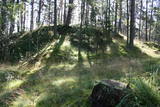 |
Near the place where the Kilmiņupe River flows into the sea is the legendary Trommel castle hill, which was a Medieval fortification. It is some 100 m from the Kraujas homestead. An archaeological dig in 1977 found fragments of bricks and pot-bellied stoves, which suggests that the fortifications date back to the Middle Ages. The location also is linked to stories about a pirate, Trommel, who buried his loot here. The holes in the area have been left behind by treasure hunters. Trommel supposedly robbed ships in the Bay of Rīga from the shores of Kurzeme to Roņu Island. Many ships docked here in ancient times, waiting for better winds so that they could pass by Cape Kolka. The pirate made use of this fact, also pillaging property from sunken ships. It is said that Trommel lived in a stone castle. (Source: Roja TIC) |
|
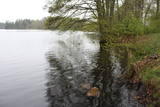 |
It is rare type of lake in Latvia and there are only of few this type of lakes in Kurzeme region. The lake is characterized by high water limpidness (very attractive for tourists) and very rare plant species for Latvia. Nature park includes the lake, costal area and forest on the East from the lake, few smaller lakes and Sarlote Pond. There are several tourist accommodations located around the lake.
|
|
|
|
The peat cement factory. This is an
abandoned but unique industrial
landscape. Follow markings when crossing
the factory’s territory.
|
|
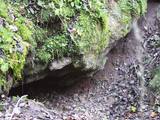 |
The castle hill of Rasnupļi (Opiņķi) is a significant place on the foot of the hill inhabited by ancient Latgalians.
You will notice Velna ala (Devil’s cave) also called small Staburags of Latgale (ancient cult place)
in the right side of the Vīce river. It is a small natural geologically unique formation (length – 3m, width –
2m, high – 0,6m). There are only two such caves in Latvia. There are 5 – 6 m long stalactites.
|
|
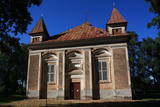 |
The St George Lutheran Church of Subate is on the north-eastern shore of Lesser Lake Subate. The church was built in the Byzantium style in 1685 and 1868 and was commissioned by the owner of the Prode Estate, H.F. Osten-Sacken. This is the only church in Latvia which is reminiscent of the typical appearance of Protestant churches in the late 17th century. The small towers at the corners of the building are of interest. Inside you will find a richly ornamented ensemble of sculptures and wood carvings, including a 17th-century altar, pulpit and pews, as well as artworks from the 17th and 18th century and a bell that was cast in 1682. Some of the interior design was the work of students at the Stelmuže wood carving school. |
|
 |
The restaurant is situated on the premises of the hotel Kolonna Hotel Rezekne, which is situated in the very centre of Rezekne city, on the bank of the Rezekne River. The restaurant has an attractive interior design. A summer terrace offers a view of the promenade along the Rēzekne River. Guests are offered ancient Lettigalian dishes made from local ingredients. |
|


