
| Nr | Nosaukums | Apraksts |
|---|---|---|
 |
Mājas restorāns Kihnu salā, kura saimnieki gatavo bagātīgas maltītes, izmantojot salas vietējās izejvielas, galvenokārt zivis. |
|
 |
Atrodas rietumos no Kuldīgas pilsētas centra, netālu no Kuldīgas apvedceļa. Lēnās apkalpošanas krodziņš, kur ēdienu gatavo uz dzīvas (alkšņu malka) uguns klientu klātbūtnē pēc slow food principa. Firmas ēdieni - kamīnā, uz dzīvas uguns gatavoti ēdieni. Viens no senākajiem Kuldīgas ēdināšanas uzņēmumiem. |
|
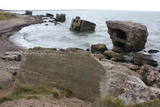 |
Viena no Latvijas vizuāli izteiktākajām krasta aizsardzības baterejām. Kādēļ? Tās pozīcijas un atsevišķie elementi ir vai nu pilnībā vai daļēji ieskaloti jūrā, radot Latvijas jūras krastam neparastas ainavas. Sevišķi iespaidīgas tās ir vētru laikā. Diemžēl, bet šis vēstures piemineklis ir pakļauts dabas spēku varenajām norisēm. Batereja redzama arī no Liepājas Ziemeļu mola. Vērts doties nelielā pārgājienā gar jūru uz 4 km attālajiem Ziemeļu fortiem, kur pa ceļam ir apskatāma arī 23. Krasta aizsardzības baterejas pozīcijas.
|
|
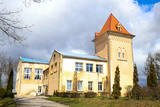 |
Druvienas muižas pirmsākumi ir meklējami 17. gs. beigās. Tagad redzamā apbūve ir veidojusies 19. – 20. gs. Līdz mūsdienām ir saglabājusies muižas pils (1898. g.) un saimniecības ēkas – klētis, kūtis, kalpu mājas. Muižas pilī 20. gs. 50. gados izvietoja pamatskolu. Diemžēl sākotnējie ēkas interjeri nav saglabājušies. Pili ieskauj parks. Šobrīd ēkā atrodas Druvienas Latviskās dzīvesziņas centrs, kas piedāvā dažādas aktivitātes un radošās darbnīcas. |
|
 |
An organic farm where it is possible to read and taste strawberries directly from the field during the season. There are also real wild strawberries. Sea buckthorn is also grown, can be read and tasted in September. Small-scale processing (juices, syrups, frozen products, jams) - home producer status. |
|
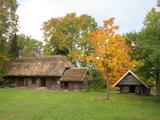 |
This farm is where the Latvian author Rūdolfs Blaumanis (1863-1908), founder of modern dramaturgy in Latvia, lived and worked. The farm has been restored, and it is a typical leased farm in Vidzeme with eight wooden buildings. Educational events and tours are available, featuring family celebrations, the mischief of little imps, and farm work. You can taste Latvian porridge, pancakes, tea, and wine “from the sweet bottle.” |
|
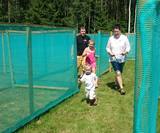 |
This labyrinth covers 3,300 m2. Visitors can make their way through the maze, trying to find the exit and handling clever tasks at some of the special twists and turns in the labyrinth. There is a playground for children, along with a workshop, a mud café and the “fir tree village.” |
|
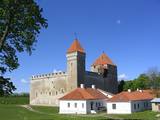 |
The stronghold dates back to the 13th C, exhibitions in its cellars present wildlife and history of the island. Workshops (smithy, glass, ceramics, stone) run from May to August for visitors to admire or participate in. The archery range nearby adds to the excitement and there you can also mint coins. |
|
 |
The farmstead Riveni specializes in fruitgrowing and the products of reprocessing those – dried apples, apple juice. |
|
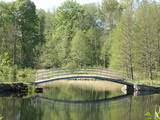 |
The Zasa park is an estate park that is on the shores of the little Zasa River near the Zasa millpond (toward the North of Zasa). The landscape park dates back to the 18th century and is in the style of Romanticism. The park was installed when the mansion of the Zasa Estate was built. It was owned by Heinrich von Zass, after whom the Zasulauks neighbourhood of Rīga is named. When ownership of the estate changed in the 19th century, the Zasa Estate was seen as one of the wealthiest and most beautiful estates in the region. It is worth hiking through the vast park with its many bridges, the Werewolf tree, the Devil’s rock and a sacred stream. There are guides who will accompany you on a tour of the park. +371-2633-7227. |
|
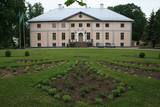 |
The manor’s castle was built in the middle of the 18th century (belonging to the noble kin of baron Medem) as a huntsmen castle. Later, in the 19th century, it was rebuilt by adding a second floor. The kitchen was situated in the vaulted basements of the castle and when the food was ready, it was brought upstairs in the elevator. The gantry entrance of the castle (late baroque) and marble buttons above it picturing the coat of amrs of the union of Medem and Keizerling noble kins, is one of the most valuable example of arts monuments of the 18th century. To this day there are various outhouses preserved- a threshing barn, a granary and a smithy, as well as the park. In front of the castle one can see a magnificent oak, which was supposedly planted by K.Ulmanis. From 1837 the manor’s castle has also served as a place for Vilce primary school. |
|
 |
Z / S "Kaņepītes" is a family company founded in 1992. The farm takes its name from the name of the house given to it in 1924. Organic farm where cereals are grown and processed into food. The production of the products is small, but the technique has an ancient atmosphere, a stone, wooden mill that gives a special taste and aroma to flour and oatmeal. Now the assortment already has 30 different product types. |
|
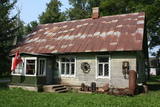 |
The brothers Imants and Ivars Novožilovs have spent more than 10 years collecting local evidence of World War II – weapons, wrecks of armoured vehicles, the everyday objects of soldiers, etc., and they have now opened an exhibition of those items at the former headquarters of the local parish council.
|
|
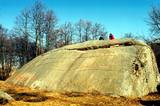 |
This is the second largest rock in the Baltic States in terms of size (728 m3). It is the only rock in the Baltic States with this form and size. It is 7 m high, 19 m long, 11 m wide, and 58 m in perimeter. Kabelikivi looks like a cliff that is halfway sunk into the earth. During the Ice Age, the rock “travelled” to this location from southern Finland. It is made of granite, and there are two other very impressive rocks alongside it.
|
|
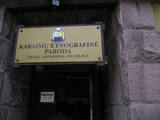 |
Karaims are a small nation of Turkish decent who practise The Karaim religion which started developing around 8th century in Persia. Their language is still used in modern-day Lithuania. In the museum there are rooms not only dedicated to Lithuanian Karaite communities but also Poland's and Ukraine's. |
|
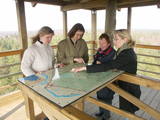 |
Ložmetējkalns Hill is one of the highest locations at the Long Dune. There is a monument to heroic Latvian riflemen who suffered great losses here during the Christmas battles of late 1916. There is a great view of forests all the way to Jūrmala, as well as of the Maztīrelis swamp, where the embankment of the former narrow-gauge railroad is very evident. This is part of a memorial park to commemorate the Christmas battles. You can visit the Mangaļi museum, the restored “German Rampart,” monuments and other objects.
|
|
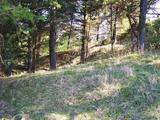 |
Kirkas Hill in Micāni. In 1792, a small castle on the hill Priežukalns (Kirkas kalns) was rebuilt into
Lutheran Church. Nowadays, the hill still is called Kirkas kalns (in German „Kirche” means „church”).
Old people say – under the church there is a big cellar where the jewellery of church and the Mantefel
family is hidden; Manteifel family vault is there too.
|
|
 |
Just 20 minutes’ drive from Pärnu, in the old Tõstamaa forestry building, Amps & Lonks café offers travellers a little rest and pizza made from fresh local produce. Especially popular, is the pizza with home-reared beef and fresh salad. You can also order in advance. |
|
 |
Lielā dziesmu vieta "Dzintari" ir ievērojama ar to, ka tieši tur 1866. gadā norisinājās pirmie latviešu skolēnu koru svētki. Lai iezīmētu šo vietu, 2015. gada vasarā Madonas novada, Praulienas pagasta, Šūpuļkalnā (Madona – Varakļāni ceļa malā) tika uzstādīts Ivara Mailīša veidotais vides objekts “Latvija skan”. Šajā vietā atrodas arī māja, kurā dzīvojis ievērojamais koru virsdiriģents Haralds Mednis (1906-2000). Lai saglabātu mākslinieka piemiņu, 2016. gadā durvis vēra Haralda Medņa 20. gs. 30. gados uzceltā māja “Dzintari”. Tajā apskatāma izstādes par virsdiriģentu Haraldu Medni un Pirmajiem latviešu skolēnu koru svētkiem. Vietai dots skanīgs nosaukums – Lielā dziesmu vieta “Dzintari”. |
|
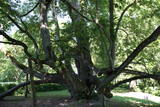 |
Latvijas lielākā parastā liepa (Tilia cordata). Daļa no varenajiem žuburiem ir atbalstīti. Stumbrā lieli dobumi, kas aizklāti, lai novērstu ūdens iekļūšanu un ātrāku trupēšanas procesu. Tāpat kā daudzi citi šāda izmēra koki – sena svētvieta.
|
|


