
| Nr | Nosaukums | Apraksts |
|---|---|---|
 |
Atpūtas komplekss atrodas mākslīgi veidotas ūdenskrātuves krastā, un teritorijā ir divas pirtis - Lielā pirts un Mazā pirts. Lielās pirts ēkā ir iespējams rīkot svinības un dažādus pasākumus līdz 40 cilvēkiem un vasaras sezonā pat līdz 60, Mazajā pirtī - līdz 20 cilvēkiem. Bez pirtīm tiek piedāvātas 20 dažādas atpūtas vietas ar galdiņiem, grilu un telšu vietām, volejbola laukumi, laivu un ūdensriteņa noma. |
|
 |
Smārde ir sena vieta, kas minēta jau 13. gs. dokumentos. Mūsdienās tas ir neliels ciemats ar dzelzceļa staciju un veikalu. Ziemeļaustrumos no Smārdes - Smārdes purvā atrodas bijušās kūdras ieguves vietas. 1. pasaules kara laikā netālu no Smārdes atradās frontes līnija, par ko liecina arī apkārtnē esošās piemiņas vietas. |
|
 |
Valkas novadā esošā saimniecība "Kurģi" ir vieta, kur braukt atpūsties gan ģimenēm, gan draugiem. Viesiem tiek piedāvātas izjādes zirga, ponija mugurā, pajūgs gan ģimenēm, gan kāzām. |
|
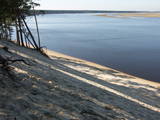 |
Nozīmīgs Rīgas līča krasta un aprimušu kāpu komplekss ar trīs lielo Latvijas upju – Lielupes, Daugavas un Gaujas grīvām un senām atpūtas vietu un kūrortu tradīcijām. Teritorijā izceļas ar skaistām piekrastes ainavām un ir viena no retajām jūrmalas pļavu atrašanās vietām Latvijas piekrastē. Dabas parka teritorijā ietilpst vairāki dabas liegumi – Lielupes grīvas pļavas, Vakarbuļļi, Daugavgrīva, Vecdaugava un Ummis (sk. nodaļu „Dabas liegumi”). Interesantākie dabas veidojumi ir Garciema kāpu amfiteātris un atsevišķas kāpas, piemēram, Legzdiņu un Slēpotāju kalns. Apmeklētājus piesaista dažādie kultūras un vēstures pieminekļi - Mangaļu pussalas fortifikācijas un militārās celtnes (no Krievijas cara līdz Padomju laiku beigām), Daugavgrīvas cietoksnis, Vecāķu kūrorts ar veco piekrastes apbūvi, Daugavgrīvas un Vecāķu pludmales. Rīgas tuvums un svarīgie rekreatīvie resursi ir arī iemesls teritorijas lielai antropogēnai noslodzei. Dabas parks piemērots aktīvam tūrismam (kājinieku, velo, ūdens, auto - moto), distanču slēpošanai, dabas (putnu) vērošanai, kultūras tūrismam, pasīvai atpūtai un izziņas tūrismam. Apmeklētāju vajadzībām izveidota Daugavgrīvas un Rožu kāpu dabas takas u.c. infrastruktūras elementi, kuru blīvums, apjomi un kvalitāte, diemžēl, ne vienmēr ir pietiekams. Diemžēl, šo nozīmīgo pierīgas rekreatīvo objektu nevar pilnvērtīgi iepazīt arī ar velosipēdu, jo nav izveidoti veloceliņi, kas atvieglotu un padarītu drošu braukšanu ar šo videi draudzīgo transporta līdzekli, kā tas, piemēram, ir Kuršu kāpās un pārējā Lietuvas piekrastes teritorijā! |
|
|
|
Subinaites laukakmens atrodas Sakstagala pagastā, iepretī Vaļenieku mājām Rēzeknes upes stāvā
kreisā krasta nogāzes apakšējā daļā pie paša ūdens. Akmens pamatne ir zem upes līmeņa, tas ir 5,2 m
garš, 4,4 m plats, virs ūdens līmeņa paceļas par 1,6 m, zem ūdens ap 2,5 m, tilpums 26 m3. Sarkanbrūnā
virsma ir stipri sadēdējusi un apsūnojusi. Aizsargājams kopš 1977. gada.
|
|
 1 diena
|
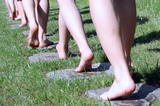
The Barefoot Path begins at the Valguma Pasaule Recreation Centre by Lake Valgums, which is surrounded by forest. The recreation centre includes a hotel and restaurant, and offers nature-based services such as the Barefoot Path and other walking trails. The Barefoot Path is a 2.6 km long trail through the natural environment, along which visitors walk barefoot and experience a variety of surfaces including pine cones, glass balls, small stones and shingles of various shapes, moss, fine sand, clay, river water, turf, gravel, reeds, chipped wood, pinewood logs, wooden poles and millstones. Walking barefoot has a number of positive health effects: it strengthens the immune system; it improves blood circulation and stabilises blood pressure; it strengthens the leg and foot muscles, joints and ligaments; and it enhances relaxation, and aids mental and physiological stability. The walk is led by an English-speaking guide. Before the walk, visitors receive a briefing. It is recommended that visitors wear comfortable outdoor clothing, appropriate for the weather. After walking the barefoot path, visitors usually feel energised, strong and happy. The walk finishes with a relaxing herbal foot bath. |
|
 |
Pirmās ziņas par muižu ir datētas ar 1422. gadu. Vēlākos laikos muižā ir apmetušies karavīri, šeit ir bijis zirgu nomāšanas punkts, traktoru stacija un veikals. Pašlaik muižā atrodas keramikas ceplis, turpat var iegādāties gatavos ražojumus. Keramikas darbnīcā ir pieejams māls mīcīšanai un veidošanai, pēc savas gaumes varat apgleznot / glazēt jēlizstrādājumus. Muižas galdnieku darbnīcās varat iepazīties ar kokapstrādes procesiem. |
|
 |
"Pūpoli" atrodas Rīgas līča krastā, 50 m attālumā no jūras, īsi pirms iebraukšanas Kolkā, netālu no šosejas. Šeit ir pieejama atpūtas vieta, kā arī vieta sporta spēlēm, volejbolam. Apmeklētājiem ir iespējams redzēt kā tiek sagatavotas un kūpinātas butes, vimbas, brekši un asari un citas zivis, iegādāties tās un degustēt. Uz vietas iespējams uzvārīt arī zivju zupu. |
|
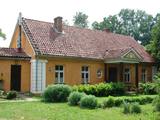 |
Ap 6 km dienvidrietumos no Iecavas atrodas Edvarta Virzas (īstais vārds – Jēkabs Eduards Liekna) (1883 – 1940) tēva mājas – „Billītes”, uz kurām rakstnieks kopā ar sievu Elzu Stērsti pārcēlās 1901. gadā. E. Virza bija viens no izcilākajiem 20. gadsimta latviešu rakstnieks, dzejnieks, prozaiķis, publicists un atdzejotājs. „Billītēs” sarakstīti daudzi dzejoļi, bet 1933. gadā – tapis leģendārais darbs „Straumēni”, kas attēlo latviešu zemnieka dzīvi. „Billītēs” izveidots E. Virzas muzejs. Tā veidotāji ir E. Virzas un E. Stērestes meita Amarilis Liekna ar dēlu Edvardu Liekni, meitu Annu Žīguri un mazmeitu Diānu. Iepriekš piesakoties, interesenti var iepazīt muzeju un E. Virzas daiļradi. |
|
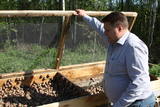 |
Ošos gaida atraktīvs un interesants saimnieka stāstījums par vīngliemežiem un to audzēšanas īpatnībām. Apmeklētāji var apskatīt audzētavu, saņemt vērtīgus padomus un nobaudīt pēc dažādām receptēm sagatavotus vīngliemežus un iegādāties to pusfabrikātus un suvenīrus. "Kulinārā mantojuma" dalībnieks. |
|
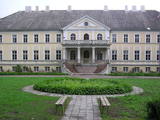 |
Celta 1835. g. kā baronu fon Firksu dzimtas īpašums pēc baroneses Teas fon Firksas pasūtījuma. 1883. g. pēc pārbūves ēka ieguva greznu manierisma un renesanses formu dekoratīvo apdari un lielāku būvapjomu. 1905. g. 15. decembrī muižas ēku nodedzināja revolucionāri. Atjaunošanas darbi arhitekta L. Reinīra vadībā tika uzsākti trīs gadus vēlāk. Muižas pilī apskatāma Svētku zāle ar diviem marmora kamīniem, atsevišķās telpās - 20. gs. sākumā liktais parkets un ārdurvju vērtnes ar metālkalumiem. 1938. g. pili pārbūvē. 2. pasaules kara laikā ēkā atrodas vācu armijas karavīru hospitālis, pēckara gados – mežu darbinieku skola. No 1962. g. pilī izvieto Rudbāržu skolu, kas nosaukta Oskara Kalpaka vārdā. Pie ēkas novietota piemiņas plāksne, kas veltīta Kalpaka bataljona gaitām. Latvijas Brīvības cīņu laikā 1919. g. 22. janvārī lielinieki bija ieņēmuši Skrundu. Septiņas dienas vēlāk O. Kalpaka bataljons no Rudbāržu muižas devās Skrundas virzienā. Pēc trīs stundu ilgas cīņas tas guva uzvaru, ieņemot stratēģisko līniju Ventas krasta tuvumā. Šī bija kalpakiešu pirmā uzvara pēc daudzkārtējas atkāpšanās, kas tiem deva iedvesmu turpmākajās cīņās. Rudbāržu muižas Varoņu zāle, kas stāsta par nozīmīgiem posmiem Latvijas Brīvības cīņās, restaurēta 2016. gadā. |
|
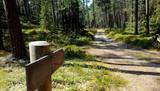 |
Dabas takā gar Rojas upi iespējamas 3 dažāda garuma distances, kas lokveidā ved gar upi un tai pieguļošajiem mežiem – 2 km, 7 km un 15 km, kas katra atzīmēta ar savas krāsas norādēm. Dzeltenais aplis 2 km, zilais aplis – 7 km, sarkanais aplis – 15 km. Maršrutus var veikt arī ar velosipēdu, taču braucot ar velo, atsevišķi posmi var būt grūti izbraucami smilšu dēļ. Pie upes ierīkotas vairākas atpūtas vietas ar soliem, galdiem, labierīcībām, šūpolēm, vingrošanas konstrukcijām, atkritumu urnām, kā arī ugunskura un telšu vietām. Pie atpūtas vietām Žocenē un Rojā ir izveidotas arī laivu piestātnes. Takas sākumā upes krastā labiekārtota vieta, kur upē ietek Rojas avots, ko kā ūdensņemšanas vietu iecienījuši vietējie iedzīvotāji. |
|
|
|
Viena no vecākajām Latvijas pilsētām, par kuru ziņas ir atrodamas jau no 1378. g. Kā apdzīvota vietā tā izveidojās Tebras krastos (Rīgas-Prūsijas ceļa mala), kur savulaik atradusies kuršu zemes Bandavas nocietināta koka pils Beida. Viduslaikos Aizpute bija Kurzemes bīskapijas centrs. Pēc Kurzemes pievienošanas Krievijai 1795. g., Aizputē uz dzīvi apmetās ebreji. Šodien ceļotājus Aizputē visvairāk piesaista saglabājusies senā pilsētvide, pilsētas vēsturiskais centrs un pilsdrupas. |
|
 2 dienas
|
Maršruts, kura veikšanai nav nepieciešama īpaša sagatavotība, ja to īsteno vasarā. Abava ir upe ar iespaidīgāko senleju Kurzemē. Tā ir un paliek Kurzemes „klasika”. Abavā ir vairākas izteiktas straujteces, parasti vietās, kur tās gultnē un krastos parādās nelieli dolomītiežu atsegumi. Posmā starp Veģiem un Rendu upes kritums samazinās un tā kļūst „mierīgāka”. Abava no Kandavas līdz Sabilei ir viena no retajām Latvijas upēm, kuras krastos ir pieejams ļoti daudzveidīgs ar tūrismu saistītu pakalpojumu klāsts. Pirms kāpj laivās, vismaz dažas stundas ir vērts veltīt Kandavas apskatei. Maršruta informācija no Latvijas Lauku foruma |
|
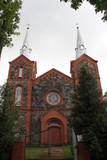 |
Dievnams celts no šķeltajiem laukakmeņiem un sarkanajiem ķieģeļiem laikā no 1894. - 1909. g. Tajā saglabājušās vecās koka baznīcas iekārtas un 18. gs. sākumā veidots cilnis “Svētais vakarēdiens”. |
|
 3 dienas
|
Maršruts ved pa Kurzemes vēsturiskā novada dienviddaļu un ietver tā interesantākos tūrisma objektus, atšķirīgus jūras krastus un tad caur Zemgali atgriežas Rīgā. Posmā no Jūrkalnes uz Liepāju tas virzās gar Baltijas jūras krastu, kas vēl pirms divām desmitgadēm bija slēgta pierobežas režīma zona, kurā iekļūt varēja tikai ar speciālām atļaujām. Maršrutā ietilpst aizsargājamas dabas teritorijas, lauku labumu saimniecības, kur var gan nogaršot, gan iegādāties kvalitatīvus produktus, izcili kultūras pieminekļi, Liepāja ar izcilu militārā mantojuma klāstu Karaostā un rosīgā Jelgava, kur noteikti jāuzkāpj Tornī, lai paskatītos uz apkārtni. Maršruta informācija no Latvijas Lauku foruma |
|
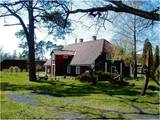 |
Muzeju (K. Valdemāra ielā 47) atklāja 1969. g. vecās jūrskolas ēkā, kuru dibināja 1864. g. pēc K. Valdemāra ierosmes. Jūrskolā tās pastāvēšanas laikā izglītību ieguva vairāk nekā 1000 tālbraucēji kapteiņi un stūrmaņi. Muzeja ekspozīcija iepazīstina ar pirmās latviešu jūrskolas darbību, kā arī burukuģu būves vēsturi Vidzemes piekrastē 19. gs. otrajā pusē - 20. gs. sākumā. Muzeja dārzā ir apskatāma enkuru kolekcija un savulaik noskalotās (restaurēta) Ainažu bākas virsdaļa. |
|
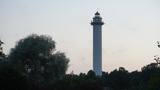 |
Agrāk Pize, lībiski Pizā. Tagadējo nosaukumu ieguva no ķeizara laikos uzceltās bākas (Mihailovskij majak), ko nosauca vecā ķeizara Aleksandra II brāļadēla vārdā. Tagad redzamā – pēc kārtas trešā Miķeļbāka būvēta 1957. g. un ir augstākā Latvijā – 57 m (apskatāma tikai no ārpuses). Miķeļtorņa luterāņu baznīca celta 1893. g. Turpat redzama 1857. g. celtā Pizes krogus ēka (sliktā stāvoklī) ar 19. gs. krogiem raksturīgo plānojumu un konstrukciju – vienīgā tāda Lībiešu krastā. Miķeļtornī dzimis pirmais lībiešu kultūras darbinieks Jānis Princis (1796 - 1868), kurš kopā ar dēlu Jāni Kurzemes lībiešu valodas rietumu izloksnē iztulkoja Mateja evaņģēliju. J. Princis seniors un J. Princis juniors bija arī autori 1845. g. dzejas izdevumam “Jūrnieku svētās dziesmas un lūgšanas”. Pirms tam dzejas grāmata latviski bija iznākusi tikai Neredzīgajam Indriķim. Miķeļtorņa Olmaņos dzimis Vilhelma Purvīša skolnieks – lībiešu gleznotājs Andrejs Šulcs (1910 - 2006). Miķeļtorņa kapos 1978. g. uzstādīja pieminekli (pirmais lībiešiem veltītais piemineklis) lībiešu dzejniekiem. Līdz 2019. g. ciema centrā paredzēts atklāt mākslinieka Ģirta Burvja veidoto vides objektu “Burinieku gadsimts”. |
|
 2 dienas
|
This part of the Forest Trail passes through the historical centre of Valmiera. In Valmiera you can visit St. Simon’s Church, the Ruins of the Livonian Order Castle and Valmiera Museum. We also suggest walking the barefoot trail in “Sajūtu Parks” (Park of Senses). After sightseeing in Valmiera, the Forest Trail goes through Atpūtas (Recreation) park, the beautiful pine forest and Baiļi winter ski centre. Further on you will walk along the River Abuls Trail, curving along the banks of the river until reaching the Brenguļi brewery built in an old Hydroelectric power plant. You can enjoy unfiltered and unpasteurised beer here. Further down you will enter unpopulated forest areas and the Northern Gauja protected landscape area. The forests in Northern Gauja (“Ziemeļgauja”) are very diverse. There are old or natural boreal (northern) forests and marsh forests, oak forests, alluvial forests (formed on river sediments which periodically flood) and mixed oak, wych elm and ash forests along the river. The tour will end in Strenči Town. |
|
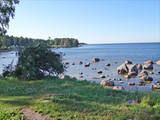 |
1804. gadā Käsmu nodibināja pirmo Igaunijas jūrskolu un laikā no 1798. – 1920. g. uzbūvēja vairāk kā 40 kuģus. Bijušā jūrskolas ēkā izveidots Jūrniecības muzejs. Kapela. |
|


