
| No | Name | Description |
|---|---|---|
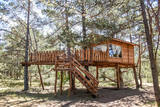 |
Camping, sauna by the sea, picnic places, rest in a romantic wooden house and accommodation in tents, canopy rental, rental of places for outdoor events. |
|
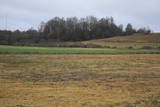 |
Atrodas Vārtājas ielejas labajā krastā un labi saskatāms no Priekules – Grobiņas (P106) ceļa. Senās kuršu zemes – Piemares pilskalns, kas vēstures avotos pirmo reizi minēts 1253. gadā – līgumā starp Kurzemes bīskapu un Livonijas ordeni. Viens no lielākajiem Dienvidkurzemes pilskalniem. Iespējams, ka iepriekš – arī sens kulta kalns. Pagājušā gadsimta sešdesmitajos gados veiktajos arheoloģiskajos izrakumos konstatēts, ka pilskalns bijis apdzīvots jau vidējā dzelzs laikmetā. Pie tā konstatēta liela senspilsētas vieta. |
|
 |
At Estonia's oldest and largest beverage producer, brewery A. Le Coq, visitors of the brewery museum are invited to get acquainted with the history of beer brewing and beer culture, modern beer production as well as taste the beer. More than 2000 exhibits, opportunity to taste beer and other delicacies in the tavern of museum. You can buy beer and snacks to go with it, as well as souvenirs in the small store of the museum. |
|
 |
Находится~ в 4 км, не доезжая до Априки (установлен указатель) – Гибортское кладбище. Слепой Индрикис (1783 – 1828) был латышом, опубликовавшим первое собрание стихов на латышском языке (1806 г.). Индрикис был слепым с 5-летнего возраста и был необразован. Его стихи записал и издал в упомянутом году священник Априкского прихода K. Г. Элверфелдс. На кладбище установлен памятный камень (1935 г.) и созданное Вилнисом Титансом «Аустрас кокс» с надписью шрифтом Брайля. |
|
 |
The cafe is situated in the guest house Zitari on the first floor, in the town of Roja, alongside the road, 500 m away from the sea. |
|
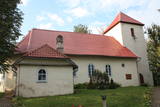 |
Celta ~ 1560. g. vietā, kur agrāk atradusies Sakas osta. Dievnamā apskatāms > 170 gadus vecs kuģa modelis. Vietējie ticēja, kas tas aizsargā jūrniekus un bojāejas. Šāda tradīcija Latvijā ir novērojama tikai dažās baznīcās. Baznīcu var apskatīt arī no iekšpuses. |
|
 3 days
|
The first half of this section leads through magnificent coniferous forests, especially in the Järvevälja landscape reserve, where the trail is surrounded by beautiful dunes in the north and a raised bog in the south. It is well worth visiting the kiosk at Rannapungerja to buy smoked fish – the Lake Peipus vendace (rääbis) and some local farm produce. In the second part, the Forest Trail winds along the coast of the beautiful Lake Peipus. During the summer, when the water level in the lake is lower, beautiful, sandy beaches with wide shallows appear. Past Alajõe, the highest dunes of Lake Peipus (up to 20 m) rise on the landscape, providing a distant view of Lake Peipus, one of the largest lakes in Europe. |
|
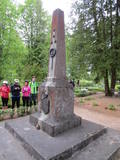 |
Near Karva along the old Alūksne-Ape road, the monument was unveiled on November 12, 1937. It was designed by the architect Verners Vitands and contains the text “Soldiers from the Valmiera Brigade who fell during Latvia’s liberation battles in 1919; I rested my head on the moss and defended my fatherland.” The monument was torn down in 1975 and restored in 1944. |
|
 |
Bejas meža dabas liegums veidots no reljefa viedokļa - interesantā, pauguru un starppauguru ieplaku saposmotā teritorijā, kuru klāj vecs un varens egļu mežs. Bejas mežā atrodas viena no Alūksnes rajonā vairākām "Velna pēdēm" - dziļa, krāterveida ieplaka, ko veidojis kūstošais ledājs.
|
|
 |
Igaunijas jūras ūdeņos ir saskaitīta 1521 sala! Salu sarakstā pēc platības (63 ha) ~ 2,5 km garā Mohni sala ieņem 38. vietu. Lai saudzētu salas trauslo veģetāciju (vietām nedaudz atgādina krūmainu tundru), tās vidusdaļā ir izveidotas koka laipas. Salas dienviddaļā atrodas sašaurinājums, kuru tāpat kā blakus esošo jūras krastu klāj viens no savdabīgākajiem Igaunijas akmeņu laukiem. Salas ziemeļos esošās Mohni bākas (Mohni tuletorn) celtniecība pabeigta 1871. g. un tās gaisma ir redzama 10 jūras jūdžu attālumā. Šī ir viena no skaistākajām Ziemeļigaunijas bākām! Līdz Mohni salai var nokļūt ar laivu (iepriekšēja pieteikšanās) no ~ 5 km attālās Vīnistu ostas (Viinistu sadam). Ar jūras laivu vai kajaku piemērotos apstākļos būs ~ 1h ilgs brauciens. Jārēķinās, ka uz salas nav pastāvīgo iedzīvotāju! Vīnistu ciemā apskatāms 2002. g. izveidotais Vīnistu mākslas muzejs (Viinistu kunstimuuseum). Apmeklētājus iespaidos ne tikai tā āriene, bet arī tapšanas vēsture. |
|
 |
The farm "Kronīši" is located in Viļķenes Parish, Limbažu County. The farm grows organic vegetables that are processed into various home preserves. Teas are produced from plants collected from organic meadows, jams, preserves, syrups and juices are also on offer. Fruits and berries are collected from the garden itself, as well as from local farmers and the nearby Rūstuži and Blome marshes. The farm welcomes tourists and exchange groups with prior application. For family events, incl. a teahouse is available for children's parties, creative workshops and other activities. Offers tours with Soviet-era cars and retro cars. |
|
 |
Iespaidīgs pilskalns ar izveidotu apskates taku. Blakus ūdenstūristu apmetne „Kvēpene”.
|
|
 |
This is one of the largest high-type swamps (6,192 ha) in Latvia, with very distinct landscapes of little lakes and hillocks. The Great Ķemeri Heath is of importance as an extensive hydrological system and preserver of the local microclimate. It is also of international importance as a site for birds, as well as a major source of sulphurous water. Along the Kalnciems-Kūdra road, which is on the eastern edge of the swamp (3.4 km from the Rīga-Ventspils highway), there is an information stand with information about the management of the heath and about the role of swamps in nature and in the lives of people. Great Ķemeri Heath wooden pathway trail is now restored and opened for visitors in 2013. |
|
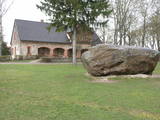 |
The museum is in the Lielvārde Park. It is in the granary of the Lielvārde Estate that was built in the early 19th century. It was later used as a residential building. A veranda was added to it in 1922. The museum has been there since 1970, and it features exhibits about the Latvian national epos “Lāčplēsis” and its author, Andrejs Pumpurs (1841-1902). The museum also features information about the history and ethnography of the Lielvārde Administrative District. Alongside it is a large rock that weighs around 80 tonnes and is known as Lāčplēsis’ Bed. A broken part of the rock is known as the Lāčplēsis blanket. Both rocks were once on the banks of the Daugava River next to the Lielvārde island. Waters from the Ķegums hydroelectric power plant now make waves in that area. Nearby is the so-called Spīdala log that was brought from Aizkraukle.
|
|
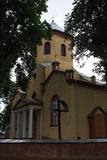 |
Atrodas Līvānu ziemeļdaļā, Baznīcas ielā 17. Dievnams uzbūvēts 1861. g. un paplašināts 1880. gadā. Pēc nopostīšanas 1. pasaules kara laikā to atjaunoja 1918. gadā. No interjera ievērības cienīgas ir ērģeles (uzstādītas 1936. g.), glezna „Svētais Jānis Kristītājs” (mākslinieks Šēnbergs) un 14 Krusta ceļa gleznas, kas ir vācu mākslinieka Fogela gleznu kopijas (19. gs. pirmā puse). Kopš 20. gadsimta sākuma bez izmaiņām ir saglabājies tikai Ostrabramas Dievmātes altāris ēkas labajā pusē. 2007. gadā nokrāsoja dievnama fasādi. Šo darbu laikā, no ēkas sienas izņēma nesprāgušu artilērijas lādiņu, kas bija iestrēdzis 1. pasaules kara laikā. |
|
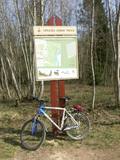 |
This is a tour that will take you trough time and space, because it clearly reveals the history of the location since the end of the Ice Age, which created the impressive ancient Gauja river valley. Uncovered sandstone leads one back to the Devonian period, known as the “fish age” – here we’re talking about history that dates back hundreds of millions of years. Human beings arrived in the region quite recently, but they’ve also left lots of evidence behind.
|
|
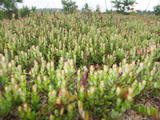 |
Large cranberries were first grown in the Laugas Swamp in Latvia in 1992. Today there are six types of cranberries that were originated in Latvia. Among them is a hybrid between large American cranberries and Latvian cowberries, and it is known as the noble cranberry. You can attend lectures, receive consultations, tour the swamp, and purchase cranberries, cranberry products, as well as purchase turf that is needed to grow your own cranberries. |
|
 5 days
|
Путь пролегает по красивейшему ландшафту Балтии – через Национальные парки Гауя, Лахемаа и Матсалу, Видземскую возвышенность, а также возвышенности Отепя и Пандивере. Также в маршрут включены Мунамегис, Чудское озеро и селения по его берегам, каменистое морское побережье в Северной Эстонии, самые живописные водопады Эстонии, рыбацкие поселки. Вы увидите природные тропы, смотровые вышки и самые великолепные поместья и дворцы. Возможно дополнительно организовать сплав на лодке по рекам Ахья и Выханду. |
|
 |
The Ķemeri school was built in 1934 (architect
Kārlis Cināts). It is one of the few school buildings in
Latvia to have preserved an historically valuable interior
and exterior, including allegorical images on the façade.
|
|
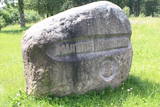 |
The office of photographer Mārtiņš Buclers was recently found at the Sauka Unity House where the Sauka trade school was located. In 2010, the exhibition was moved to the Sauka Parish Council in Lone. Mārtiņš Buclers (1866-1944) was a founding father of photography in Latvia. He established the first company in the country which produced photo film and paper. The exhibits are of particular interest now that we are in the digital photo era. The Sauka Unity House is closed and can only be viewed from the outside, but alongside it is a memorial stone dedicated to Buclers, as well as a monument commemorating the 150th anniversary of photography. |
|


