
| No | Name | Description |
|---|---|---|
 |
Kakaiši is found 1 km to the South-West from Vecpiebalga, in the tiny village of Kakaiši. The Latvian writer Antons Austriņš (1884-1934) was born there and went to school in Vecpiebalga. Austriņš is best known for the short story collection “Puiškans” (1931). The museum features various rural objects, things associated with the author, and exhibits such as his collected works and other books that are worth visiting in the company of a guide. |
|
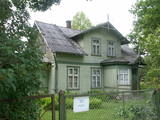 |
This is the one street in Ķemeri where the towns' wooden buildings have been preserved to the greatest degree. Turning onto Durbes Street from Karogu Street, you will find the Miervaldis Ķemers Museum, which is focused on the well known Latvian cultural activist, pastor and painter (1902-1980). The museum is at Durbes Street 21. |
|
 |
This farm produces organic grains, and it has a bakery at which tasty rye bread, wheat-rye bread and croutons for bread yoghurt are produced. Bread can be purchased on site.
|
|
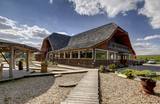 |
Lieliska vieta svinībām vai atpūtai Minijas ielejā Žemaitijā. Kafejnīca 100 pers. un konferenču zāle, kuras izvietotas 6 ha lielajā teritorijā. Spēļu laukumi gan bērniem, gan pieaugušajiem. Kanoe, burbuļvanna un pirts. Nakšņošanai viesnīcas numuriņi, koka namiņš vai 2-zvaigžņu kempings. Pieejama ēdināšana. |
|
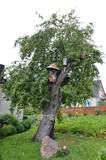 |
The oldest apple tree in Lithuania is a forest apple tree and is part of the country's botanical heritage and the only protected apple tree in Lithuania. |
|
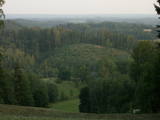 |
From the highest point in the Alūksne highlands, you will see an unusually beautiful view of the surrounding forested hillocks and the small areas of meadows and farmland. Sadly, there are no improvements to the location, which can be difficult to access. It is on private property.
|
|
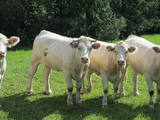 |
The farm produces vegetables, medicinal plants and honey. You can look at Charolais cattle and buy products. The lady of the house will talk about her experience in relation to her farm and biological farms that are in the neighbourhood. |
|
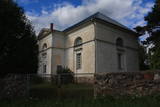 |
Atrodas Lielajā ielā 34 a. Vēlīnā klasicisma stilā celtā baznīca pēc muižnieka Nikolausa fon Korfa ierosmes būvēta laikā no 1828. - 1830. gadam. Dievnams ir interesants ar to, ka tajā apskatāms Vidzemes sakrālmākslā rets altāra tips – kancelaltāris (kancele un altāris ir apvienoti arhitektoniski vienotā mākslinieciskā kompozīcijā). |
|
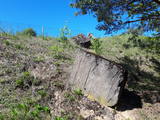 |
Nordeķu - Kalnciema kāpu grēdas daļa Kleistu meža austrumdaļā pie Dzirciema ielas. Padomju laikā šeit darbojās divi (vēlāk viens) P - 35 radars, kas griezās ap savu asi. Vietējie iedzīvotāji tolaik šo vietu bija iesaukuši par "Lokatoru kalniņu". Ziemeļos no tā atradās padomju armijas cūku ferma. |
|
 2 days
|
Это один из 6 маршрутов путешествий в серии «Насладитесь деревней!», который приглашает посетить «Дары села» – хозяйства и предприятия всевозможных видов и отраслей, которые открыты для посетителей и предлагают экскурсии, попробовать, осмотреть и приобрести свои изделия. Там можно увидеть домашних животных, современные сельские хозяйства, мастерские ремесленников, приобрести сельскохозяйственные продукты – хлеб, мед, домашнее вино и пиво, сыр, ягоды, фрукты, рыбу, мясо, овощи, чаи и другие, выращенные в деревне дары. По дороге можно отобедать в сельских корчмах. Примерное время прохождения маршрута: три - четыре дней, в зависимости от количества выбранных достопримечательностей и времени, отведенного для их осмотра. |
|
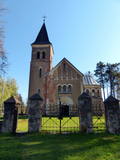 |
This, the third church at this location, was built in 1906 at the initiative of and financing from Gotthard von Budberg, who dedicated it to his late wife, Gertrude. The Walker company organ in the church was built in 1906 in Ludwigsburg in Southern Germany. In 1992, a memorial plaque to commemorate people from Gārsene who were repressed by the Soviet regime was consecrated at the church. 100 m to the East is a cemetery where we see the legendary chapel of the Budberg dynasty, as well as the graves of the noblemen. The church is open to visitors. |
|
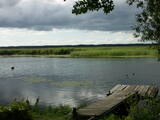 |
This is a large set of coastal meadows, ancient rivers and areas of reeds. It is found at a location where the Daugava River used to flow – between Vecmīlgrāvis and Vecāķi. There are inland dune meadows here, complete with the very rare silver grass. Vecdaugava is an important location for nesting birds and several uncommon plant species. On the southern end of the Vecdaugava peninsula, at a place called Skanstnieki, one can find remnants of medieval Swedish fortifications. The Vecdaugava Regional Research and Fishing Museum is here, as well.
|
|
 |
The saloon is opposite the Machinery Museum on the edge of Bauska. The nationally historical interior allows visitors to comfortably feel different than others. Latvian cuisine: Oatmeal, milk soup, pumpkin soup, cold beet soup, homemade steak haché, potato pancakes, crepes, bread soup. |
|
 |
Kassinurme hills were formed during the last Ice Age, and an ancient stronghold and a sacred grove can be found in the hills. At the foot of the stronghold a stage has been built; a swing, tepees, a campfire place and a model of the stronghold are located in the forecourt. Nature, health and antiquities trails are located nearby. |
|
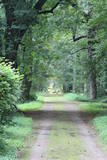 |
This is the oldest arboretum in Latvia. It was planned by the owner of the Skrīveri Estate, Maximmilian von Sievers (1857-1919). It has to be said that before World War I, there were two times more species of plants in the park than is the case now. The plants are grouped in accordance with the geo-botanic regions of the world. There are trails in the park, and signs showing the Latvian and Latin name of each plant are there, as well. There’s a fountain which is operated from every hour on the hour from 11:00 AM until 11:00 PM from Tuesday until Sunday. On the other side of the Rīga-Daugavpils highway is the Skrīveri Forest Park with hiking trails.
|
|
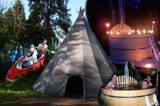 |
The Centre promotes sustainable lifestyle and the great outdoors, there you can plant trees and make and install nest boxes. Canoeing, bog walks, bow and crossbow shooting ranges are available for the more adventurous. There is a log house for functions and accommodation and a sauna with a hot tub. |
|
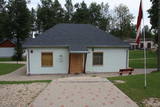 |
This is another place (at A. Brodeles Street 7) which must certainly be visited by those who are interested in the cultural environment of the historical region of Selonia. The museum was established in 2000, and much of its exhibition can be found at the depot of the former narrow-gauge railroad (the depot was built in 1948, and the railroad operated between 1916 and 1972). There you can see a restored locomotive, a passenger wagon, a trolley, etc. The exhibits reflect the lives of major personalities in and around Viesīte, also looking at events and the cultural heritage. There are wood processing and textile workshops at the museum. Outside the building is a fragment from the narrow gauge railroad, along with a water pump. |
|
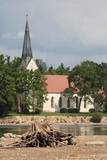 |
Atrodas Pļaviņu HES ūdenskrātuves krastā (R. Blaumaņa ielas galā) iepretim salai, uz kuras top Likteņdārzs. Baznīca (celta 1687. g.) ir vairākkārt atjaunota (1731., 1887.). Tagad redzamais tornis tapis par Stukmaņu muižas īpašnieku atvēlētajiem līdzekļiem. Baznīcā par mācītāju kalpojis Ernests Gliks. Padomju laikos ēkā atradies Stučkas vēstures un mākslas muzejs. Apmeklētāji var uzkāpt dievnama tornī (čuguna zvans!), kā arī aplūkot mākslinieka A. Dobenberga gleznas. Baznīca ir atvērta un apskatāma arī no iekšpuses. |
|
 |
Saaremaa Island farm Epi produces fruit and berry chutneys, various jams, grows herbs and teas. Products are made using only local ingredients from the Saaremaa and Muhu islands. You can buy products directly at the farm. |
|
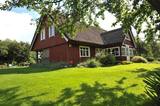 |
This guesthouse is on Rusen Island near the shore of the Pakalne River. The owners collect plants, process them in accordance with folk recipes, and then offer various teas, infusions and other beverages that have medicinal properties to improve people's moods and their tonus. |
|


