
| No | Name | Description |
|---|---|---|
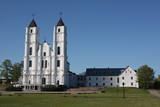 |
This is the centre for Catholicism in Latvia and a destination for pilgrims from all around the world. Its origins date back to 1699, when the Dominican Order established a cloister. One year later, it built the first wooden church. The brick Church of St Dominic and the buildings of the cloister were erected between 1768 and 1800. The Baroque church is distinguished by two towers that are 60 metres high. The pulpit, organ prospectus, organ, prayer bench and pews come from the 18th century, while the side altars date back to the early 19th century. The central altar includes the painting “The Miraculous Mother of God of Aglona,” which is thought to have healing properties. For that reason, it is unveiled only during important events. In advance of a visit to Latvia by Pope John Paul II in 1993, the complex underwent major rebuilding and restoration. On August 15 each year, hundreds and thousands of pilgrims arrive in Aglona to celebrate the assumption of the Virgin Mary. The holy stream of Aglona is 100 metres to the East of the basilica. |
|
 |
Restaurant Ankur is a cosy place where home-made dishes are served, mostly from local products. Peipus Lake fish are of special value. There is also a hotel in the same building. |
|
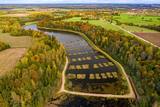 |
Volzbahs ir stāva nogāze ar elpu aizraujošu skatu pāri gravai. Ziemā šeit pieejams vairāk nekā 100 m garš nobrauciens ar slēpēm, sniega dēli vai ragaviņām. Citos gadalaikos Volzbaha kalns ir lieliska atpūtas vieta- šeit ir labiekārtota vieta piknikam, pastaigām, foto sesijām. Rudenī Volzbaha kalns ir viena no labākajām vietām Vaiņodes novadā, kur vērot krāšņos rudens skatus. Volzbahs atrodas 2 km no Vaiņodes centra ZR virzienā. Kalnam ērti var piebraukt klāt ar automašīnām. Adrese: Vaiņodes pagasts, Dienvidkurzemes novads, LV-3435 Facebook: facebook.com/biedribavolzbahs Twitter: Volzbahs |
|
 |
Zirgu un cilvēku labsajūtas centrs "Dabas zirgi" atrodas Pierīgā, vēsturiskajā Mežinieku apkaimē. "Dabas Zirgos" piedāvā pastaigas ar zirgu, ekskursijas pie zirgiem ar zirgu barošanu, izjādes ar zirgu. Šeit ir ierīkota nojume, grils un ugunskura katls svētku svinēšanai. Iepriekš vienojoties, var pasūtīt arī brokastis, pusdienas un vakariņas. Pieejama pirts un baļļa. Saimnieki aicina pie sevis pavadīt arī ilgāku laiku, nakšņojot jaunizveidotajā glempingā, skaistā vietā meža vidū pie Misas stāvkrasta. Glempinga teltī ir divguļamā gulta un dīvāns, ledusskapis, kafijas aparāts, tējkanna, šķīvji, krūzes, glāzes un ēšanas piederumi, spēles bērniem. Ārpus telts ir pieejama āra duša, Toi Toi mazmājiņa ar ūdeni un dezinfekcijas līdzekļiem, latvju zīmēm rotāta ugunskura vieta ar malku un ērtiem krēsliem vakara baudīšanai, galds ar krēsliem ēšanai. Šis piedāvājums ir tapis sadarbībā ar sociālo uzņēmumu "Kultūras tūrisms". |
|
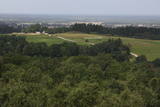 |
The wooden tower was built and stands 28 metres high. It is at the top of the highest hillock of the Northern Courlandian Highlands – Kamparkalns Hill (175 metres above sea level). The tower offers one of the loveliest views in the region of the hillocks of Talsi. On a clear day, you can see all the way to the Bay of Rīga and Talsi. |
|
 1 day
|
The Forest Trail leads through smaller paths, arching around Vangaži Lutheran Church and the Werewolf Pine. On its way to the Hunting Palace, it passes the garden created by opera singer Anna Ludiņa and then follows the Hunting trail. The first side ravines with the pronounced relief of the ancient valley of the River Gauja can be seen here. One of them is located by Inčukalns Velnala (Devil’s Cave), surrounded by small river channels of the old Gauja. From there, the Forest Trail continues through meadows and crosses the Murjāņi–Valmiera motorway, where the recreation park “Rāmkalni” is located. In this park, there is a café, shop and active leisure centre with a sledge track. On this route you will mainly see pine forests of various ages, as well as the botanical plantation with 80 tree and 120 shrub species. By the end of the section, the landscape features sandstone outcrops – Devonian sedimentary rocks and habitats protected in Latvia. |
|
 |
The Ķemeri school was built in 1934 (architect
Kārlis Cināts). It is one of the few school buildings in
Latvia to have preserved an historically valuable interior
and exterior, including allegorical images on the façade.
|
|
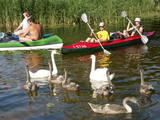 |
This was the first national park in Lithuania, and it is in the northern part of the Aukštaitija Higland, where hillocks interweave with lots of little lakes and ethnographic villages. Many of the lakes are connected with streams, forming long chains of lakes that are perfect for water tourists.
|
|
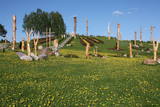 |
Atrodas nepilnus 2 km austrumos no Aglonas, Aglonas – Dagdas ceļa malā. Tā ieceres autors ir Ēriks Delpers, kurš 2006. g. uzsāka vietas labiekārtošanu, izveidojot brīvdabas skulptūru dārzu un stādījumus. Kristus Karaļa kalns šobrīd atrodas izveides procesā, taču neskatoties uz to – objekts, ko ir vērts redzēt! |
|
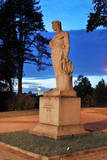 |
This 1939 monument was designed by Kārlis Zemdega and is dedicated to Agriculture Minister Arturs Alberings from the first period of Latvian independence. The monument shows a young man with a grain basket. The monument disappeared during the Soviet occupation, and a gypsum statue of a Pioneer was installed instead. In 1977, children found some parts of the old sculpture buried in the ground, and 10 years later someone found the head of the monument. After a restoration, the Sower sculpture is now in its historical location – in the Terneja Park alongside Rīgas Street. |
|
 |
Četrus kilometrus gara marķēta lokveida taka, kas ved pa lielāku meža masīvu, iepazīstina ne tikai ar augiem un dzīvniekiem, bet arī mežsaimniecības tradīcijām. Takas sākums atrodas pie nelielā Perejerves ciema, uz kuru paveras labs skats no tuvējā paugura. Pie autostāvlaukuma izveidota atpūtas un piknika vieta. |
|
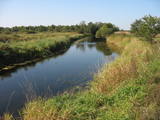 |
Palieņu un mitrās pļavas abos Dubnas upes krastos, kuras nelielā posmā var vērot no Rožupes - Vārkavas ceļa. Piemērotā laikā šeit dzirdēsiet griezes balsi, kas ir Eiropā izzūdoša putnu suga.
|
|
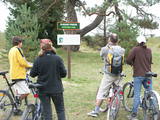 |
This is a route for hikers and bicyclists, starting at the village of Vaidava and then moving along the eastern shore of the narrow Lake Vaidava, which has steep cliffs around it. The trip covers the Veļķi baronial estate, the “Swedish pine”, the famous Vaidava (Metimne) hillfort, a series of streams, the great Rubene rock, the Vaidava baronial estate on the western shore of the lake. After that, the trail leads the visitor back to the starting point.
|
|
 |
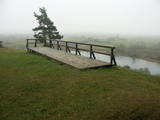
Nepilnus 3 km garā taka iepazīstina ar dziļo Imulas ieleju – Abavas kreisā krasta pieteku. Īpaši iespaidīga ieleja izskatās bezlapu periodā, kad ir apjaušami tās izmēri un formas. Viens no takas iespaidīgākajiem objektiem ir Buses jeb Matkules pilskalns. Apskatāmi citi objekti – Baznīckalns, Bedrīšakmens, Ķauķa kalns ar avotiņu. Atrodas dabas parkā „Abavas senleja”. |
|
 |
In Dagda, on the side of Daugavpils Street, there is a forested hillock that is the Lubāne castle hill. On the upper part of its southern side, there’s a viewing area which offers a view of the small Lake Lubenenis, the eastern part of Dagda, and the white tower of the local Catholic church. Legend has it that treasure is buried here.
|
|
|
|
Gegründet für den Schutz der Landschaften und der Seen der Aukštaitija-Anhöhe, Arten und Biotope. |
|
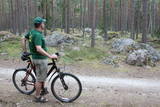 |
Eine von Nadelbaumwäldern bedeckte Halbinsel. Malerisches Käsmu Steinfeld, Matsikivi Stein, Vana Jüri Stein u.a. Bei passenden Bedingungen kann man sich auf einer steinernen Landzunge bis zur 0,5 km entfernt liegenden Insel Saartneem schleppen. |
|
 |
This is a miniature zoo next to a tributary of the Ogre River, and most of it is taken up by a paddock of rabbits. Children just love the animals, as well as the hutches that were designed on the basis of the architecture of estates and castles. There are also goats, pigs, geese, peacocks, mandarin ducks and pearl hens. Children can help in feeding the animals. |
|
|
|
Only indirect evidence of the former tank base that was here is still available (see the story).
|
|
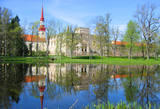 |
The Castle was built beside the Põltsamaa River in the 13th C and became the residence of Duke Magnus, King of Livonia in the 16th C. In the castle yard you find the tourist information centre, local history museum, wine cellar, Estonian Press Museum, art gallery, ceramic and handicraft workshop. |
|


