
| No | Name | Description |
|---|---|---|
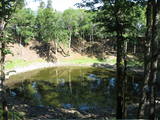 |
Eins der eindrücksvollen Meteoritenkraterfelder Europas. Der Hauptkrater ist 22 m tief, Durchmesser – 110 m. Der ungefähre Zeitraum des Meteoriteneinschlags liegt ung. 7500-Jahre zurück. |
|
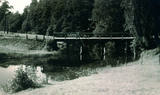 |
The River Pēterupe (46 km long) in its lower reaches flows by the sea, and it is one of the longest parts of the river along the picturesque coastline. In the past the River Pēterupe had several names: Pērļupe, Tarupe, Tara (in Livonian: the River of God or the Holy River). The historic area of Saulkrasti – Pēterupe Village was located on the right bank of the River Pēterupe. |
|
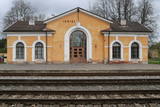 |
Ramocku stacija atklāta 1889. gadā reizē ar dzelzceļa Pleskava-Rīga atklāšanu. 1916.gadā pēc jauna dzelzceļa izbūves līdz Gulbenei, šīs stacijas nozīme ievērojami pieauga. 1918.gadā tā kļuva par divu dažādu sliežu platumu dzelzceļa iecirkņu saskares staciju. Intensīva vilcienu kustība caur šo staciju tika izvērsta Brīvības cīņu laikā. Sadursmes pie Ieriķu stacijas notika jau 1918.gada decembrī. 1919.gadā jūnijā te sākās Cēsu kaujas. Starp Cēsīm un Ieriķiem vācieši uzbruka igauņu bruņuvilcienam. Par dažādiem nopelniem Brīvības cīņu laikā Ieriķu apkaimē, vairāki karavīri saņēma apbalvojumus, arī Lācplēša kara ordeņus.1919. gadā stacija nodēvēta par Ieriķiem. Otrā pasaules kara laikā te atradās lokomotīvju depo.1953.gadā depo vietā izveidoja stratēģiskās rezerves tvaika lokomotīvju bāzi. Pēdējā tvaika lokomotīve L-3599 Ieriķu bāzi pameta 2002.gadā un tagad ir redzama kinopilsētā Cinevilla.Ieriķu stacija vairākkārt pārbūvēta.Otrā pasaules kara laikā nodedzināta pavisam. 1956.gadā uzbūvē pašreizējo ēku. |
|
 |
Zirgu un cilvēku labsajūtas centrs "Dabas zirgi" atrodas Pierīgā, vēsturiskajā Mežinieku apkaimē. "Dabas Zirgos" piedāvā pastaigas ar zirgu, ekskursijas pie zirgiem ar zirgu barošanu, izjādes ar zirgu. Šeit ir ierīkota nojume, grils un ugunskura katls svētku svinēšanai. Iepriekš vienojoties, var pasūtīt arī brokastis, pusdienas un vakariņas. Pieejama pirts un baļļa. Saimnieki aicina pie sevis pavadīt arī ilgāku laiku, nakšņojot jaunizveidotajā glempingā, skaistā vietā meža vidū pie Misas stāvkrasta. Glempinga teltī ir divguļamā gulta un dīvāns, ledusskapis, kafijas aparāts, tējkanna, šķīvji, krūzes, glāzes un ēšanas piederumi, spēles bērniem. Ārpus telts ir pieejama āra duša, Toi Toi mazmājiņa ar ūdeni un dezinfekcijas līdzekļiem, latvju zīmēm rotāta ugunskura vieta ar malku un ērtiem krēsliem vakara baudīšanai, galds ar krēsliem ēšanai. Šis piedāvājums ir tapis sadarbībā ar sociālo uzņēmumu "Kultūras tūrisms". |
|
 2 days
|
Šis ir viens no 6 ceļojuma maršrutiem sērijā "Baudi laukus!", un tas aicina apmeklēt Lauku Labumus – visdažādāko veidu un nozaru saimniecības un uzņēmumus, kas atvērti apmeklētājiem, piedāvā ekskursijas, nogaršot, apskatīt un iegādāties savus ražojumus. Tur apskatāmi mājdzīvnieki, mūsdienīgas lauku saimniecības, amatnieku darbnīcas, iegādājami lauku produkti – maize, medus, mājas vīns un alus, siers, ogas, augļi, zivis, gaļa, dārzeņi, tējas un citi laukos audzēti labumi. Pa ceļam iespējams ieturēt pusdienaslauku krodziņos. |
|
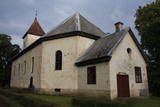 |
Целостное здание церкви строилось в 1780 – 1781 гг. во времена барона Х.Ф. Бера, а перестраивалось в 1876 и 1888 гг. Церковь известна своим алтарем и кафедрой, выполненными в стиле рококо, и построенным в первой половине XVIII века органом. Церковь можно осмотреть изнутри. |
|
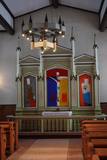 |
It is said that after a shipwreck near Cape Kolka, a rescued Danish tradesman financed the building of a church in Kolka in thanks for his rescue. There are several churches in Kolka which have changed their location. The stone worship house that can be seen today has foundations that were laid by the former owner of the Dundaga Estate, Karl Ludwig Ferdinant von der Osten-Zaken. The church was built at or near the site of an old wooden church which suffered much damage during the Crimean War. The work on the church was begun by builder Oto Zīverts in 1885 on the basis of a design by the architect T. Zeiler. During the Soviet era, the church was vandalised, and a warehouse was installed there. It is worth looking at the modernist altar painting by Helēna Heinrihsone. It is said that there is no similar painting in any other church. Before the painting was hung, a cross hung at its location. |
|
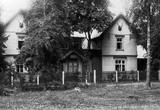 |
The former name of the house was “Forstei” (Forester’s House). It was built using logs of the old Bīriņi Castle. The first owner of the building was Alexander Alexei von Pistohlkors, the baron of Bīriņi Manor. It used to be a house of the manor’s chief forester Pauls Moltrehts. The building served as the chief forester’s work place and residence, as well as the Manor’s hunting base. The building was rebuilt several times. It obtained its current appearance and also the symbolic deer antlers in 1891. During the times of the Independent State of Latvia the house obtained a Latvian name – “Meža māja” or “Forest House”. Ownership of the house has repeatedly changed. In the 1930s, the house became a recreation place for cultural professionals and artists. In 1937, the composer Alfrēds Kalniņš spent the summer in the house working on an interpretation of the score for the second staging of the first Latvian opera “Baņuta”. During the post-war period – from 1945 to 1956 – the building housed Saulkrasti Village Council, and during the times of Saulkrasti District it was the location of the People’s Education Department. Later the children’s sanatorium “Ugunskurs” was transferred from Jūrmala to this building and was renamed “Saulkrasti Children’s sanatorium”. Now the building is privately owned. |
|
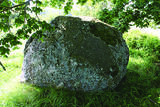 |
The great Black Plague rock, which has engraved text that can still be seen
to a certain extent – it tells future generations about the local pastor who died
from the plague, about how the parsonage was established at Sīkrags and then
moved to Mazirbe. The rock is also a monument to six pastors of the nearby
congregations. All the three stones tell about the horrors of the Black Plague in
1710, the texts have been engraved during the parson Peterson in 1711-1734.
|
|
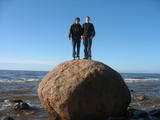 |
Covered with rocks and with small capes and inlets, this is the eastern shore of the Bay of Rīga and the only place in Latvia where sandstone outcrops are found. These are the result of the abrasive effects of waves between Tūja and Vitrupe. Among the most distinguished of these outcrops are the Veczemi cliffs, which are less than half a kilometre long and up to four metres high. The area has been improved for tourists. It has to be said that this part of the shoreline changes very often, particularly after large storms.
|
|
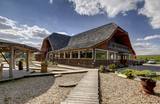 |
Lieliska vieta svinībām vai atpūtai Minijas ielejā Žemaitijā. Kafejnīca 100 pers. un konferenču zāle, kuras izvietotas 6 ha lielajā teritorijā. Spēļu laukumi gan bērniem, gan pieaugušajiem. Kanoe, burbuļvanna un pirts. Nakšņošanai viesnīcas numuriņi, koka namiņš vai 2-zvaigžņu kempings. Pieejama ēdināšana. |
|
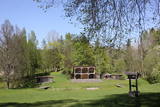 |
The location requires a drive through the Pērlis forest and sparsely populated areas. Silmači features an open-air stage, which was built in the 1980s for just one performance that was staged by the Latvian National Theatre during the Summer Solstice celebration in 1986. Ever since then, Rūdolfs Blaumanis’ famous play “Tailor Days at Silmači” has been performed here during the season. Alongside the stage is a museum that features information about the single performance in 1986. An original manuscript of the play (1902) can also be viewed. |
|
 |
Entstanden als eine 6 km entfernte Arbeiterstadt des schon geschlossenen Ignalina-Atomkraftwerks. In der Stadtbebauung dominieren die für die Sowjetzeit typischen architektonischen Formen und Monumentalbauten. |
|
 |
Lauku sēta ar pirti atrodas Merkys upes krastā, ciema nomalē meža tuvumā. Piedāvā programmu "Griķu ceļš no sēklas līdz galdam", iespējams nobaudīt tradicionālos ēdienus. Piedāvā arī nakšņošanu. |
|
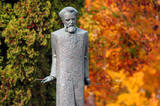 |
In Limbazi, in the crossroads of Cesu and Dailes streets, there is a monument dedicated to the author of Latvian anthem. The monument was designed by the sculptors Zigrīda Rapa and Juris Rapa. It was unveiled on May 16, 1998, when Limbaži was celebrating its 775th anniversary. |
|
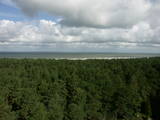 |
This lighthouse is in Ovīši, which is an ancient Livonian village. The 38-metre lighthouse on Cape Ovīši was built in 1814 and modernised in 1860, and it is the oldest functioning lighthouse in Latvia today. Visitors will get a great view of the shores of the Baltic Sea and the forests which cover them. The lighthouse also offers an exhibition devoted to the history of lighthouses in Latvia.
|
|
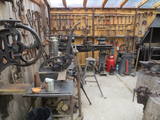 |
Saimniecības zemi, kas atrodas starp Ulbroku un Vālodzēm, 1929. gadā nopirka tagadējā saimnieka – Dzintara Āboliņa vectēvs. Tajā laikā arī tika uzcelta klēts, kurā glabāja saimniecībā izaudzēto lauksaimniecības produkciju. Krīvu klēts atdzimšana notika pirms 20 gadiem, kad tagadējie saimnieki tajā uzsāka veidot muzeju no sadzīves priekšmetiem un darba instrumentiem, kas savulaik izmantoti Krīvu saimniecībā. |
|
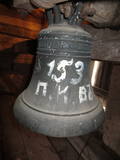 |
The church was opened in 1651 after half a century of sometimes interrupted construction. It was fully rebuilt and took on its current appearance in 1876. The church contains one of the most important church objects in Latvia – the oldest pulpit in the country (1590). It was designed in the style of Mannerism. The church also has a bell from a wrecked chapel of the local knighthood. The bell was manufacture in 1450 and was installed at the church in the 19th century. It is the oldest church bell in Latvia. The German painter F. Wolff painted the altar painting, “Christ on the Cross,” and it, along with the altar, have recently been restored. |
|
 |
Meistardarbnīcā „Cimdiņi” darbojas Latvijas Amatniecības kameras diplomētā meistare Ina Valtere, pie kuras ikvienam ir iespēja uzzināt visu interesējošo par rokdarbiem, kā arī iegūt padomu un ieteikumus adīšanā, izšūšanā un tamborēšanā. Tiek piedāvāta iespēja piedalīties arī darbnīcās un meistarklasēs. |
|
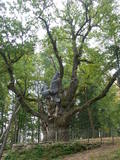 |
This is the thickest English oak (Quercus robur) in Lithuania, with a circumference of 9.4 m (as opposed to the Kaive oak in Latvia, which has a circumference of 10.18 m).
|
|


