
| No | Name | Description |
|---|---|---|
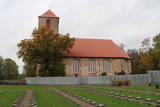 |
The graveyard that is alongside the Lestene Lutheran Church is the final resting place for more than 900 soldiers who fell during World War II, particularly during battles at the so-called Fortress of Kurzeme, as well as in Zemgale and Vidzeme. The sculptress Arta Dumpe designed the commemorative monument “Mother Motherland – Latvia.” The cemetery of the brethren is the second largest resting place for soldiers from World War II after the Cemetery of the Brethren in Rīga. The names of some 11,000 soldiers are engraved on the gravestones. |
|
 |
The old narrow-gauge railroad. You can still see the station, the baggage
warehouse, the house where the station commander lived, and the path along
which the little train ran back in the day.
|
|
 |
The landlady of this farm will tell you about healthy herbal teas and home-based goodies. If you wish to spend the night under the stars, we offer a place for tents and a campfire on the banks of local river by the old Lūkas windmill. “Aploki” will welcome anyone who wants to relax in a peaceful and quiet atmosphere. |
|
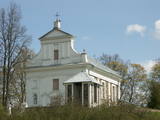 |
Construction of the church began in 1830 thanks to money donated by nobleman Ludvigs Šabanskis. The Baroque stone church is surrounded by a restored stone fence, and inside there are icons including "Heart of Jesus," "Christ's Suffering," and "St Joseph." The church is not open to the public on a daily basis. |
|
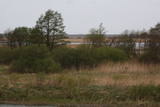 |
At the centre of this restricted area is the eutrophic Lake Tosmare, a former lagoon from the Littorina Sea. The lake and its surroundings offer protection to many plants and birds. At the southern end of the lake one can spot remnants of the former Liepāja fortification system, and to the West is one of the most important parts of that system – the Fortress canal. |
|
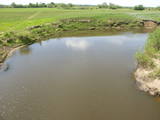 |
The Dviete Wetlands Nature Park contains a unique natural territory – the ancient Dviete River valley with the Lake Skuķi and the Lake Dviete and the surrounding wetland meadows. During flooding season, these wetlands store up waters from the Daugava River. They absorb a lot of floodwater at first and then slowly return it, thus reducing the level of floods in the Daugava River valley. This process is the reason for the unique ecosystem which exists in this area. It is an important location for plants and birds both during migration and nesting season. The river valley is important for birds during migration and nesting. In 2006, wild cows were released into the meadows. There is also work to improve the tourist infrastructure in the area. |
|
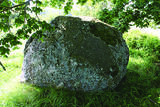 |
The great Black Plague rock, which has engraved text that can still be seen
to a certain extent – it tells future generations about the local pastor who died
from the plague, about how the parsonage was established at Sīkrags and then
moved to Mazirbe. The rock is also a monument to six pastors of the nearby
congregations. All the three stones tell about the horrors of the Black Plague in
1710, the texts have been engraved during the parson Peterson in 1711-1734.
|
|
 |
Kakaiši is found 1 km to the South-West from Vecpiebalga, in the tiny village of Kakaiši. The Latvian writer Antons Austriņš (1884-1934) was born there and went to school in Vecpiebalga. Austriņš is best known for the short story collection “Puiškans” (1931). The museum features various rural objects, things associated with the author, and exhibits such as his collected works and other books that are worth visiting in the company of a guide. |
|
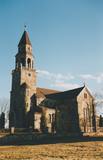 |
The church was built of fieldstones between 1908 and 1925 in the Tudor Neo-Gothic style (designed by the Liepāja-based architect Stadmann). It replaced a wooden church that dated back to 1621, and its steeple offers a lovely view of lakes that surround the village of Višķi. |
|
 |
The diner is found in a former church school building. Delicious dishes are made of local ecological produce; local fishermen supply the fish on the menu. Local crafts are on sale in the handicraft shop. |
|
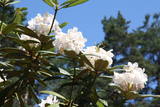 |
72 types of wild rhododendrons with 193 different species
This is the only specialised rhododendron nursery in the Baltic States. Specialists there work on different kinds of rhododendrons, seeking to produce decorative and winter-resistant types of the flower. The nursery also sells plants. In the facility’s pine forest, which covers 11.8 hectares, you can see a large collection of rhododendrons from all over the world.
There are 64 winter-resistant types of rhododendrons at “Babīte,” including “Alma Mater,” “Academia Scientiarum,” “Emeritus,” “Eduards Smiļģis,” “Dita Krenberga,” and others (these were developed by Rihards Kondratovičs). All of these are appropriate for Northern Europe.
|
|
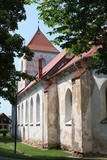 |
Atrodas Bauskas vēsturiskajā centrā, Plūdoņa ielā 13 a un ir šīs pilsētas daļas vecākā ēka. Dievnams celts 1591. - 1594. g. vēlās gotikas stilā, bet tornis piebūvēts 1614. g. Baznīcas iekšpusē atrodas nozīmīgi mākslas pieminekļi: altāris (1699. g., pārbūvēts 1861. g., mākslinieks J. Dērings), kancele (1762. g.) un ērģeļu prospekts (1766. g.) – abi Nikolaja fon Korfa dāvinājums, draudzes soli (17. gs. vidus – 18. gs. sāk.), senākais no koka veidotais Bauskas ģerboņa attēlojums (1640. g.), deviņas 16. – 17. gs. kapu plāksnes, epitāfijas u.c. Baznīca, kurā ir vērts ieiet! |
|
 |
Laivošanas pasākumu organizēšana, kajaku, kanoe laivu, SUP dēļu un aprīkojuma īre un pārdošana. |
|
 |
Restaurant Ankur is a cosy place where home-made dishes are served, mostly from local products. Peipus Lake fish are of special value. There is also a hotel in the same building. |
|
 |
Rehtšprehera siers top Siguldas novada Lēdurgas pagastā, zemnieku saimniecībā “Mazlauri”. Siera ražošanai saimniecībā pievērsās 2015. gadā, meklējot jaunu izaicinājumu un iespēju radīt produktus ar pievienoto vērtību. Siers tiek gatavots pēc itāļu receptēm un nogatavināts 2–12 mēnešus, ievērojot tradicionālās metodes – īpašā telpā, uz egles koka plauktiem, kontrolētā mitrumā un temperatūrā. SieriCietie sieri (nogatavināti 6-12 mēnešus): Grand Marine, Gouda 8 mēnešus gatavināts. Puscietie sieri (nogatavināti 2-4 mēnešus): Gouda (pieejams ar linsēklas eļļas pārklājumu vai ar speciālu siera pārklājumu), Tallegio (pieejams ar balzamiko etiķa pārklājumu vai speciālu siera pārklājumu), Toskāna, Sorento. Daži sieri ir pieejami arī ar piedevām, piemēram, melnajām ķimenēm, pipariem, tomātiem un baziliku, tomētiem, ķiplokiem un oregano. Daļai sieru ir ēdama miziņa. Uz vasaras saulgriežu laiku tiek gatavots arī kas līdzīgs Jāņu sieram – nogatavināts siers ar ķimenēm. Kā top siersSiers tiek gatavots no pašu saimniecības govju piena – kopumā saimniecībā ir 90 slaucamas Holšteinas melnraibās šķirnes govis. Rehtšprehera siers top no tikko slaukta, nepasterizēta govs piena, kas tūlīt pēc slaukšanas tiek nodots pārstrādei. Tas ļauj saglabāt piena dabisko garšu un raksturu. ApmeklētājiemSaimniecības apmeklētājiem iespējams redzēt un dzirdēt patiesu stāstu par to, kā rodas piens un siers - kā uztur piena lopu ganāmpulku, kā audzē pilnvērtīgu, uzturvielām bagātu barību, ko nozīmē govju labturība, lai iegūtu ekstra klases pienu, un kāda ir praktiskā puse, dzīvojot un saimniekojot laukos. Noslēgumā ieskats siera ražošanā un siera degustācija. Kur iegādāties sierusE-veikalā: www.rsiers.lv. Veikalos Rīgā, Cēsīs un Siguldā. Sestdienās - Skultes tirdziņā, Slow Food Straupe tirdziņā un dažādos tirgos visā Latvijā. |
|
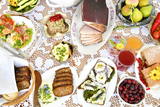 |
Guest house Pinska is a family-owned company located on the former Lõpinska country manor land. The food is prepared from local ingredients and according to local traditions. |
|
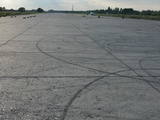 |
The Rumbula airfield was originally a military facility, established after World War II at a place where many single family farms had been before. When the Spilve airfield shut down, civilian aircraft moved to Rumbula, while military aircraft were based at the Rīga airport. Today the world “Rumbula” is most often associated with the automobile and spare parts market that has been established on part of the former airport’s territory. A certain “heritage” at the site is pollution from the former airfield’s fuel containers, where petroleum was stored. Paragliding occurs at the airfield.
|
|
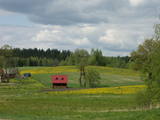 |
Samērā liela teritorija ar mozaīkveida ainavu - mežiem, atklātām ainavām un ezeriem (Salmejs, Kaučers, Stupānu ezers, Limanu ezers u.c.), kas atrodas Latgales augstienes Feimaņu pauguraines rietumdaļā. Aizsargājamo ainavu apvidus veidots šejienes dabas un kultūrainavas (apdzīvotās vietas, Tišas vecticībnieku lūgšanas nams, krucifiksi) un daudzveidīgo biotopu (t.sk. - sugu) aizsardzībai. Apvidū atrodas arī samērā populārs tūrisma objekts - Šnepstu pilskalns.
|
|
 |
The farmstead "Vitolini" specializes in horse breeding, as well as horse-riding lessons. It is possible to go horse-riding in the forest or to take a ride in a horse team. |
|
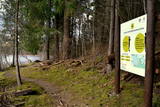 |
Takas sākums atrodas pie Veclaicenes pagasta pārvaldes (autosvālaukums). Tā izlokas gar Ievas, Trumulīša un Raipala ezeru dienvidu krastiem un pa ziemeļu krastu nogāzēm atgriežas atpakaļ sākumpunktā. Apļveida takas garums – ap 8 km. Atrodas Augšzemes aizsargājamo ainavu apvidū, Kornetu – Peļļu subglaciālajā vagā. |
|


