
| No | Name | Description |
|---|---|---|
 |
The Boulder of Subinaite can be found in Sakstagala rural municipality opposite Vaļenieku House that
is on the left side of the river Rēzekne. The base of the boulder is below the river level; it is 5,2 m long, 4,4
m wide, it rises about 1,6 m above the water level, about 2,5 m below the water level, capacity 26 m3.
Reddish surface is heavily eroded and full of moss. Protected since 1977.
|
|
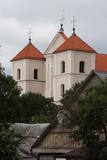 |
Baznīca atrodas Sodu ielā (Sodų gatve) 8. Tās pirmsākumi meklējami 1409. g. (viena no vecākajām Lietuvas baznīcām), kad Lietuvas dižkunigaitis Vītauts Dižais izveidoja Traķu apgabala baznīcu. Dievnams joprojām ir pazīstams ar 1123. g. Konstantinopolē gleznotās Traķu Dievmātes gleznu, kuru it kā Vītautam 1390. g. uzdāvinājis Bizantijas ķeizars Emanuels Paleologs II. Šis fakts gan ir jāuzskata par leģendu, ko aprakstījis vēsturnieks Albertas Vijūkas – Kojalavičius, jo 1645 g. gleznas restaurācijas laikā noskaidrojās, ka tā ir tapusi 15 gs. beigās vai 16. gs. sākumā. Traķu Dievmātes glezna ir pirmā Lietuvas pāvesta vainagotā glezna (vainagošanas ceremonija notika 1718 g.), pēc kuras brīnumus piedzīvojuši daudzi ticīgie - gan katoļi, gan pareizticīgie, gan pagāni, gan tatāri. Latvijā - Aglonas bazilikā atrodas šīs gleznas kopija, ko uzskata par svētu! Vislabākais skats uz baznīcu, Traķu ezerpili un Traķiem paveras no klaja paugura Galves (Galvė) ezera ziemeļu krastā. |
|
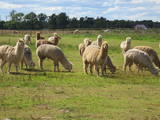 |
This is the largest herd of alpacas (an animal from the mountainous regions of South America) in the Baltic States. You can observe the animals, listen to stories about them, and buy alpaca wool. There are plans to transfer the herd to the Vīceži Estate in the Lībagi Parish in 2014.
|
|
 2 days
|
The Zemgale region is a fertile flatland. There are many modern farms, including some that will allow you to learn about life in the countryside and the heritage of agricultural history. You will start your trip and then take the "Milky Way" route to a dairy farm. Next you will visit Jelgava, the former capital of the Duchy of Courland from the 16th to the 18th century. The history of the town can be discovered via an interactive exhibition in the steeple of the St Trinity Church in Jelgava, from which you can also get a good view of the city from a 9th-floor platform. Next you will visit a farm where you will learn about Latvia traditions and bake bread together with the lady of the house. From there, the route will lead to a grain farm, where you will find a collection of dairy processing equipment and a playground for children. You can spent the night in a field of grain or a design hotel that has a traditional farm and a collection of restored old automobiles. Along the way, you will stop in Bauska to see its City Hall and its collection of ancient measuring equipment. Grain traditions will really be appreciated at a farm that uses its own grain and roughly ground flour to produce a wide range of traditional foods. Finally, you will visit a collection of tools, farm equipment and household items that are all typical of Latvia's countryside. |
|
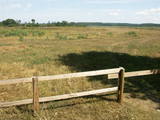 |
Periodically flooded flood-land meadows on the eastern and southern shores of Lake Burtnieks are an important nesting location for the rarely seen corncrake. A nature and information trail has been established at Vīsrags with directions, information stands and a viewing tower.
|
|
 |
The chef's house is located in the former Līgatne Maternity Hospital "Wilhelma". It is intended as a place for chefs as well as other interested parties to do, create and experiment. The author of the idea is chef Ēriks Dreibants. The aim of this place is to encourage you to explore and discover the unique tastes and experiences of our region. The chef's house supports the slow food philosophy and the surrounding farmers and producers. Next to the house there is a Nature Observers' Garden, where there is a playground "Nest in the Tree", a magnifying glass for a closer look at the elements of nature, and a picnic area with a fireplace. There is an herb garden in the garden, fruit trees and berry bushes have been compiled, but in the center of it, next to the Bird Watching Square, there is a Butterfly Meadow. |
|
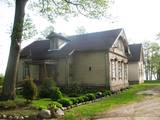 |
The cosy land road along the sea is 1 km long, and it offers a look at the wonderful aspects of the village. To the right are rocks from the sea, as well as miniature flower gardens on the seashore with tempting benches and overturned boats. On the side of the shore is the Kaltene library, which is more than 100 years ago. It was initially a summer home for Baron Nolken, and it was built in 1899. Later it was rebuilt several times and took on new roles. An elementary school was installed here in 1926, after which it became a club and then, in 1992, a primary school once again. The path runs along beautiful seashore homesteads, among which one can find the former homes of old fishermen and ship builders such as Burliņi. At one time, the Žulnieki portage at Smilgas was the site of the kiln of blacksmith Pēteris Valdemārs. He was the main blacksmith for ships between Kaltene and Upesgrīve. (Source: Roja TIC) |
|
.jpg?size=160) |
The Jokas farm is 4 km to the East of Turlava. Owner Jānis Uzulēns has purposefully developed and expanded the farm ever since it was established in 2011. He is particularly proud of his herd of beef cows, some 70 in all, as well as of five horses. The farm produces sausages and other meat products and also offers services such as managing forests and fisheries. |
|
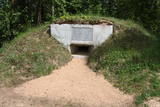 |
This testimony to World War II can be found in the Blīdene Parish. It is one of the very few objects of its type to still be in good condition.
|
|
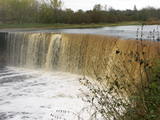 |
This is one of the greatest waterfalls in the Baltic States – 8 m high and up to 70 m wide. It is most impressive in the spring and after strong rains. The waterfall and its ~300 m canyon emerged from the limestone of the Ordovician Period. You may spot some fossils there. When the water is low, courageous people try to ford the river both above and below the waterfall. The limestone and the falling water have established a unique “tunnel” there.
|
|
 |
Das Gedenkzeichen in Ošvalki, das den lettischen Flüchtlingen (1944 – 1945) gewidmet ist, die über die Ostsee in Fischerbooten nach Schweden geflüchtet sind. |
|
 |
Kirkas Hill in Micāni. In 1792, a small castle on the hill Priežukalns (Kirkas kalns) was rebuilt into
Lutheran Church. Nowadays, the hill still is called Kirkas kalns (in German „Kirche” means „church”).
Old people say – under the church there is a big cellar where the jewellery of church and the Mantefel
family is hidden; Manteifel family vault is there too.
|
|
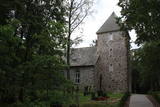 |
1.2 km to the south of the centre of Ģipka and on the side of the Jūrmala-Kolka road (P131), this church makes it hard to believe that the rock church was built very recently – after 1992, because it was burned down during the Soviet occupation in 1979. Ironically, the Dundaga forestry fire safety post was housed in the steeple of the church after World War II. The ornate altar and organ were destroyed in the fire, but the altar painting, “Christ on the Cross,” was saved. The church is now once again open for business. |
|
 3 days
|
This route section takes you to the Dzūkija National Park – it is among Lithuania’s most forested and desolate nature areas –, and to the town of Druskininkai – a popular SPA and mineral water health resort on the banks of the river Nemunas. When in Druskininkai, we recommend dipping yourself in mineral water baths, enjoying the trip with the cable car over the river Nemunas, visiting the musical fountain, and walking along the river promenade. The starting point of the hiking route is the village of Didžiasalis, which is reached by bus from Druskininkai. From there, the route will take you through vast coniferous forests, rich in berries and mushrooms, and small villages. As you get to Druskininkai, the Forest Trail will meander along the small streets and parks of the historic resort of Druskininkai, crossing the river Ratnyčia and the forest park on the right bank of the Nemunas valley. Leaving the resort town behind, the Forest Trail runs on the side of the village revealing you the beautiful landscapes and the view of the Liškiava monastery on the other bank of the river Nemunas. Up to the village of Žiogeliai, the route goes along forest roads and continues along the banks of the Nemunas valley, surrounded by the vast Dzūkija forests. Towards the end of the route, climb up the Merkinė Mound and it will surprise you with breathtaking views of southern Lithuania. |
|
 |
“GREEN HIVE” ir pārtikas ražotāju uzņēmums, kas nodarbojas ar medus un ogu pārstrādi. Uzņēmums atpazīstams ar saukli “Medus citās garšās!”. “GREEN HIVE” piedāvā vairāk nekā 60 produktus – medu daudzās un dažādās garšās, kā arī sīrupus, sulas un nektārus. “GREEN HIVE” atbalsta zaļas Latvijas ideju, un ievēro šo pārliecību uzņēmuma ražošanas procesā, dzīvojot saskaņā ar dabu un lietojot dabas dotus produktus. Ražotnē uzņem tūristu grupas, produkciju iespējams degustēt un iegādāties. |
|
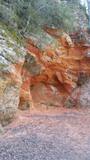 |
Sarkanās klintis savu vārdu ieguvušas pateicoties sarkanajiem iežiem. Tieši sarkanā ir mīlestības krāsa, tāpēc sarkanās klintis ir romatiska pastaigas vieta mīlniekiem. Smilšakmens klintīs redzamas plaisas, kas sašķeļ sarkanīgos iežus, radot neparastu dabas mākslas darbu. To virsma ir diezgan izrobota, kas veido klintīs nelielas alas un nišas. Sarkanajās klintīs ir arī daudz dažādu avotiņu. Pazīstamākais no tiem ir Rūcamavots. Tam ir šāds nosaukums, jo tas, nākot ārā no zemes, izdod nelielu rūkoņu. |
|
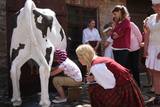 |
The granary and cheese-making building of the former Seiksāte (Berghof) Estate houses a museum that was opened in 1985 and demonstrates the route of milk from the cow to finished dairy products. You can try your hand at milking a cow and churning butter, and then you can taste what you have made. |
|
 |
The saloon is on the edge of the Murjāņi-Valka road (A3) and is easily recognised because of the building and various fairy tale characters in the yard. Latvian cuisine: Cold soups (beet, bean, sauerkraut, sorrel), roast leg of pork, blood sausage, pork ribs, berry dessert with toasted oats, stacked rye bread. Special foods: “Fiery Soup of the Ragana Kitchen”. |
|
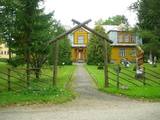 |
Kalevipoeg is a hero from the Estonian national epic, most of his stories come from Jõgeva County, where you can find his sword in the Kääpa River, there are his places of rest, stones he’s thrown, springs and bogs, ploughing furrows, etc. The museum has 12 themed rooms presenting Kalevipoeg´s legends as well as Estonian heritage. 17 wooden statues of the epic’s characters stand in the museum grounds. |
|
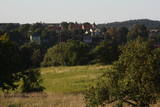 |
The hill is the highest point on the shores of the little Slocene River valley, and it is located in Tukums, at the side of Jelgavas Street. It opens up a broad view of the Slocene River valley and the town of Tukums with its historical centre on the opposite side of the valley. The view is particularly interesting in the evening, when the town is lit up. There is a monument to the liberators of Tukums.
|
|


