
| No | Name | Description |
|---|---|---|
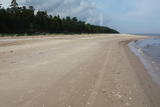 |
Ģipka is a village that once was the site of the first maritime school in Kurzeme. It was opened in 1869, just a few years after a similar school in Ainaži. This was a Category 2 maritime school, which trained helmsmen for long-distance trips and captains for short-distance trips. The school was moved to Mazirbe in 1894. Before the maritime school, the building housed a different kind of school, and a second floor was added in 1867 specifically for the maritime school. Today this is a residential building. During 28 years, the school trained more than 200 professional sailors, and it was of great importance in facilitating ship building in shoreline Liv villages. (Source: Roja TIC) |
|
 7 days
|
If you enjoy an active lifestyle, this tour is the perfect way to enjoy the culinary heritage hidden in Gauja National Park. The cycling route starts from Strenči and first passes two local breweries at Brenguļi and Valmiermuiža with nice cafés and good beer. On the way to Valmiera you will also stop at Trikāta Village to taste locally made chocolate. From Valmiera, the route goes through a beautiful forest to Cēsis with its charming medieval Old Town. In Cēsis you will visit the local bakery and distillery to taste their production. Also, you will see what a herb and species garden looked like in medieval times. You’ll experience a canoeing trip from Cēsis to Līgatne, one of the nicest parts on the River Gauja with its sandstone banks, remote farmsteads and old-fashioned water-powered ferry. The historic centre of Līgatne Town is linked with the development of its paper mill. Here you can also visit local wine and handicraft producers in one of the artificial caves typical of the area. Cycling the hilly, winding roads of Sigulda, you’ll see Turaida and Sigulda medieval castles, Gūtmaņala Cave and other picturesque views. In Sigulda you will enjoy Latvian traditional meals in the restaurants ”Bucefāls”, ”Aparjods”, and will taste 80 kinds of jam in the Mauriņi guest house. |
|
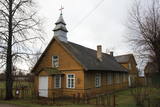 |
Atrodas Rucavas galvenās ielas malā, netālu no centra.Rucavas draudzi dibināja 1871. gadā, bet izmēros nelielo dievnamu uzcēla 1888. gadā. |
|
 |
Saimniecība audzē dažādus dārzeņus, lapu salātus, gurķus, dilles, ķiplokus, brokoļus, ziedkāpostus, sīpolus, ķirbjus, bietes utml. Vasarā un rudenī pieejamas avenes. Pārdošanā svaigi dārzeņi un augļi. |
|
 |
The mouth of the most beautiful river of Vidzeme. On the seashore between the mouths of River Gauja and River Daugava, one of the largest dune ranges in Latvia with distinctive parabolic dunes overgrown with forest (wooded dunes) is situated. The Mouth of River Gauja is unique as it is one of the few major rivers in Latvia and in EU countries to flow into the sea naturally. There is no harbour or other hydro-engineering construction. It is a popular recreation area in the vicinity of Riga and Saulkrasti while, unfortunately, the lack of infrastructure makes it suffer from anthropogenic load. Not far from the rivermouth, hidden in dunes, there are pillboxes which were built in 1920 or 30ies as anti-airborne barriers. There was a whole range of them along the coastline from the mouth of the River Lielupe to the mouth of the River Gauja forming a part of the Daugavgrīva Fortress fortifications. The pillbox is made of concrete, ca 1.5m thick. Every year, on the 3rd Sunday in August, a lamprey festival takes place in Carnikava town by the Gauja rivermouth. Carnikava is called the Lamprey Capital as it is famous for its lamprey fishing tradition and generous catches. The Mouth of the River Gauja is a good bird-watching area, especially in spring and autumn when one can observe the highest variety of species. Just few of the many bird species that can be observed near the Gauja rivermouth |
|
|
|
The craftsmen's association unites 65 craftsmen from Rūjiena and its surroundings. Offers baking, jam cooking, cheese tying, jewelry making, leather goods, crochet and culinary master classes. Also offers "Made in Rūjiena" tastings (bread, smoked products, culinary products, jams, fresh juices, pumpkin products, seasonal berries and fruits, other dishes in each season) and shopping. |
|
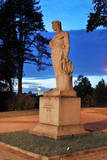 |
This 1939 monument was designed by Kārlis Zemdega and is dedicated to Agriculture Minister Arturs Alberings from the first period of Latvian independence. The monument shows a young man with a grain basket. The monument disappeared during the Soviet occupation, and a gypsum statue of a Pioneer was installed instead. In 1977, children found some parts of the old sculpture buried in the ground, and 10 years later someone found the head of the monument. After a restoration, the Sower sculpture is now in its historical location – in the Terneja Park alongside Rīgas Street. |
|
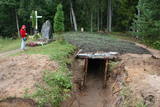 |
In October 1948, nationalist partisans who opposed the Soviet regime built a 9x6 m bunker in the forests of Īle for themselves. Five months later, the KGB attacked the bunker. After five hours of gunfire, 15 partisans lay dead, and another nine were captured. The bunker has been restored in commemoration of this event, and it is open to visitors.
|
|
 |
Mājas restorāns mājīgā, autentiskā lauku vidē, kur tiek pasniegti lauku ēdieni, uz galda celtas svaigas jūras veltes, kuras atceļojušas no Francijas, Spānijas vai Norvēģijas, kā arī vietējās, pašu saimnieku kūpinātas zivis. Ēdienkarte tiek radīta katru dienu no jauna, kas ikdienā ļauj piedāvāt svaigus produktus.
|
|
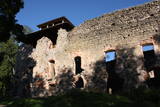 |
The ruins of the Rauna castle (which was built in 1262 and was a main residence of the Livonian archbishop) have a modern viewing tower which offers a view of the impressive castle walls, the place where the former Medieval city was located, and the centre of Rauna. The local government office has the keys to the tower.
|
|
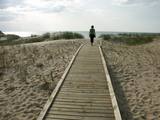 |
The trail tells about the protected nature area which is found in Riga city and has been established to protect the seashore habitats (forests, meadows, reeds, dunes) and the birds, populating the daugavgrīva meadows. There is a bird watching tower with facilities for people with special needs.
|
|
 |
Atrodas Rucavas – Bārtas ceļa malā (pagrieziens uz Bārtas Romas katoļu baznīcu). Veltīts melioratoram Arvīdam Manfeldam – bijušā Liepājas rajona meliorācijas uzņēmuma priekšniekam kā pateicība no vietējiem iedzīvotājiem par ceļiem un tiltiem. |
|
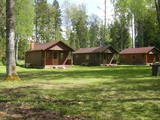 |
The campsite is located on the 139th kilometer of the Riga-Ventspils highway, on the shore of Lake Tīrukšezers. Offers 3 comfortable cottages with WC and shower. TV and fireplace in common areas. Bar, tent places, boat rental, fishing opportunities, swimming place, picnic places. Children's playground and sports field. Possibility to order meals. Rooms for celebrations (20 persons). Table setting for celebrations, business events throughout the year. |
|
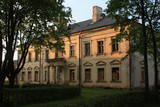 |
Atrodas Viļānu dienviddaļā, Maltas upītes krastos, kuras tecējumu pārtrauc Viļānu HES. Par muižu atrodamas ziņas jau no 15. gs. beigām, kad tā piederēja bruņiniekam J. Loem. Līdzīgi kā Vidsmuiža, arī šī bija viena no Latgales lielākajām muižām, kurai piederēja zemes > 49 000 ha platībā. 18. - 19. gs. mijā ap muižu sāka veidoties Viļānu miests. Muižas dzīvojamo ēku, kas apskatāma tikai no ārpuses, ieskauj parks. |
|
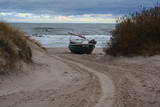 |
Ceļa, kas ved uz jūru – galā, redzami Latvijas piekrastei samērā reti skati. Ja palaimējas, šeit var novērot vietējos zvejniekus darbībā, kas joprojām iet zvejā. Krasta kāpās aplūkojamas vecas, pamestas un arī sagrieztas zvejas liellaivas un dažādi mūsdienu zvejniecībā izmantojami „darba rīki”. |
|
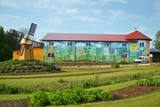 |
The Rūķīšu tēja farm is one of the leading producers of medicinal plants in Latvia. The company ensures the quality by growing and harvesting plants that are dried, stored and packaged very carefully. The farm uses no aromatises, no preservatives, dyes or thickeners. Group tours will enjoy tasty teas and recommendations on those that should be purchased. Products are sold at very attractive prices. The farm offers a wide range of medicinal plants from which teas can be produced. Pay a visit when the plants are blooming and each little area has a unique and typical colour. |
|
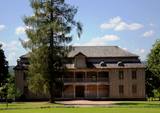 |
This estate is surrounded by an ancient and geometric landscape. During the latter half of the 19th century, it had a landscape style with various elements of geometry. The park covers 4.2 ha and has ancient linden, maple, elm, oak and other decorative bushes, with more than 20 types of plants that have turned into wood. |
|
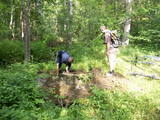 |
The remnants of the Vardīte sulphurous
spring – not easy to find, but the location is
between the Forest House and the Ķemeri
Hotel.
|
|
 |
The saloon is on the edge of the Rīga-Liepāja highway (A9) at the 22 km road marker. Most of the dishes are based on ingredients from the forest. The interior design is based on hunting, and there is a paddock of wild deer alongside the restaurant. Latvian cuisine: Roast buck, roast wild boar, venison steak, roast lamb, stuffed river trout. |
|
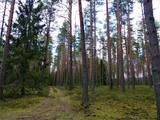 |
Ķekavas novada Daugmales pagastā atrodas pastaigām un dabas baudīšanai piemērots mežs, kurā baudīt dabas daudzveidību. |
|


