
| No | Name | Description |
|---|---|---|
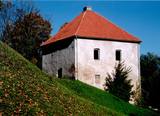 |
The square structure with walls that are nearly two metres thick became known as the Gunpowder Tower during the rule of Duke Jacob, because that is what was stored here. There might have been a well here, because groundwater is close to the surface. The tower and the castle were linked by a 12-metre bridge on one pillar. The tower is only visible from the outside. |
|
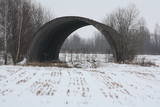 |
Few Soviet military objects are associated with more legends than this one. During Soviet times, this was a reserve airfield, as well as a storage site (just 50 kilometres from the republic’s capital city) for nuclear weapons. These were hidden in two cement hangars that were covered with soil and vegetation. Public information suggests that an RX-24 nuclear bomb weighing 430 kg and a RX-26 nuclear bomb weighing 1,030 kg were stored here, as were air-to-land missiles equipped with nuclear explosives. If there had been an accident here, what would have happened to Rīga, to Latvia, to the Baltic States and to Northern Europe? The airfield is a closed territory today.
|
|
 3 days
|
The tour starts and ends in Klaipeda, the most popular seaside resort town in Lithuania. Klaipėda University Botanical Garden has a coastal ethnographic garden with flower arrangements characteristic of this area. Kretinga Manor Park is one of the oldest surviving 16th–18th century manor parks in Lithuania. Palanga Manor housing the Amber Museum and Birutė Park is one of the best-preserved manor complexes in Lithuania. The largest Japanese garden in Europe (16 ha) is a home to collection of traditional aromatic plants and vegetables. Rucava arboretum displays a collection of magnolias. In Nīca village, 7 decorative gardens maintaining the local gardening tradition are open for visitors. Historical cultivars are carefully selected to renew the orchard and romantic landscape park at the 18th century Tāšu (Telsen) estate in Grobiņa region, Latvia.The Izidorius Navidanskas Park has over 120 species of trees and shrubs. Visit an outdoor plant exhibition at Jadvyga Balvočiūtė Farm - growing medicinal herbs and spices, selling organic sprouts, single herb teas and herbal mixtures. Also Beržoras Homestead in Žemaitija National Park grows a variety of medicinal and culinary herbs, garden plants and aromatic herbs. Plungė Manor, called the “Versailles of Samogitia”, is one of the most famous surviving ensembles of its kind in Lithuania. Steponas Darius Birthplace Museum features a unique orchard of impressive size and scope. The Švėkšna Manor Complex features a sculpture park, scenic views, trails, gates, and a Chinese-Japanese maidenhair tree (ginkgo biloba) which stands 18 metres high and 70 centimetres in diameter. Šilutė Manor has two parks – an English landscape park with walking paths and the forest park known as Varnamiškis, or “Crows’ Forest”. |
|
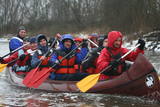 |
The company runs wildlife tours: kayak trips at sea in summer, bogshoeing in bogs in autumn, snowshoeing trips in winter and canoeing on rivers in spring. |
|
 |
This is Latvia’s largest lake island and is found in the middle of Lake Usma. The island is restricted to protect old stands of pine, as well as various plants and birds. |
|
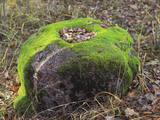 |
Zīleņu Sacrificial Boulder.You will find it on Zelenpole Golden hill beside the escarpment. The boulder
has an annular curvy. It was an ancient Latgalian cult place where people sacrificed to Gods, released themselves
from the bad things and took a positive energy.
|
|
 |
In mid-summer, the farm features the beautiful blooms of rapeseed and flax. A special facility for pressing rapeseed and flax seed oil is on site. You can watch the oil pressing process and purchase some of the resulting oil.
|
|
 |
The café is in the former administrative building of a collective farm in the centre of Gaigalava. It cooks dishes with ingredients from its own farm and others. |
|
 |
Traķu pussalas pils austrumu mūrim pieguļ ar mežu apaudzis iespaidīgs pilskalns (uzved koka kāpnes) – t.s. Upurkalns, kurā pirms mūra pils celtniecības stāvējusi koka pils. 1779. g. dominikāņu mūki sagrautās Pussalas pils vietā uzsāka baznīcas celtniecību. Jau vēlāk – 1822. – 1823. g. vienā tās daļā uzcēla dominikāņu klosteri, bet otrā – kapelu. 1990. g. šeit izvietoja Traķu vēstures muzeja administrāciju, bet 2005. g. kapelā izveidoja Sakrālās mākslas izstādi. 2011. g. ēku kompleksā notika vērienīgi rekonstrukcijas darbi. |
|
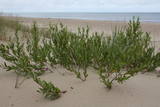 |
The territory is established in order to protect the dunes and the seashore habitats. There are beautiful beaches and wooded dunes, and the paved Klaipēda–Palanga bikeway trails through the park, which is worth travelling at full length. |
|
 5 days
|
Duke Jacob of the Duchy of Kurzeme and Zemgale was on the throne from 1642 until 1862, and during that time the duchy rapidly expanded ship building operations, opened the first factories and improved agricultural output. Jacob's ships plied the seas to export goods, to establish colonies in Tobago and Gambia, and to bring sugar, coffee and spices back to Europe. This was the age when potatoes first appeared in Latvia, though it took a couple of centuries for them become beloved. |
|
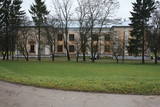 |
Atrodas Skolas ielā 12, Priekules pamatskolā. Tās krājumā ir plašs Priekules novadā iegūto vēsturisko liecību klāsts – sadzīves priekšmeti, darbarīki, dokumenti, padomju gados izsūtīto un represēto cilvēku atmiņu stāsti u.c. liecības, kā arī Priekules skolu attīstības vēsture. |
|
 |
The large farm is to the South of the centre of Lone, producing apples, pears, plums, cherries, strawberries and black currants. It stores apples during the whole winter. You can help to pick the fruit and berries and purchase them for yourself. |
|
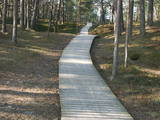 |
Plieņciema taka atrodas dabas liegumā "Plieņciema kāpa" starp Plieņciemu un Ķesterciemu. Pāri kāpai ir izveidota laipu taka un atpūtas vieta. Taka ir izveidota, lai mazinātu negatīvo ietekme uz Plieņciema kāpas dabas vērtībām – zemsedzes nomīdīšanu, piegružošanu ar atkritumiem, braukšanu ar autotransportu.
|
|
 |
Inviting and cosy café in the very heart of Alūksne, with a wide menu for different tastes. Special dishes of the Alūksne area are also served here – salad “Temple Hill”, main course “101 Steps until the Moment of Pleasure” and the dessert “Marienburg Lake Islands”. We offer business lunches and monthly specials, as well as a children's menu. |
|
 |
The Skala silence home is on the banks of the ancient Nevežio river valley. You will be served happy dishes from everything that is grown at the farm. |
|
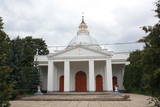 |
Atrodas Rīgas ielā 39. Dievnams celts 1848. – 1849. g. klasicisma stilā (arhitekts A. Štauberts), bet laikā no 1924. – 1934. g. pārbūvēts (A. Vizuļa projekts). Dievnama izskatu salīdzina ar Svētā Pētera katedrāles veidolu Vatikānā. Blakus baznīcai atrodas Rīgas ielas gājējiem domātā daļa. |
|
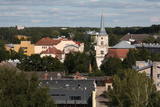 |
The tower of St Catharine’s Church in Valka opens up a view of the “twin towns” of Valka in Latvia and Valga in Estonia. You can see the former border crossing, the St John’s Lutheran Church of Valga, and a shop in Valga which is visited by many Latvian residents. This is part of the ZBR.
|
|
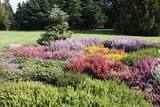 |
One of the youngest Latvian towns, in 2013 it will celebrate its twenty year anniversary. A number of significant scientific institutions in a Latvian scale is located in Salaspils (in Soviet times it was built as a science centre) - Institute of Biology, Institute of Inorganic Chemistry, Institute of Physics, National Botanic Gardens, former Salaspils nuclear reactor and the Forest Research Institute "Silava". Over the last decade the infrastructure has been developed, as well as wide areas of private houses are developed. In 1996 a new Catholic church was built in Salaspils. Most of the town residents commute each day to Riga for work. |
|
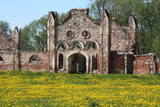 |
The Preiļi Estate is in the southern part of Preiļi. During the Soviet era, the mansion was home to a variety of institutions. A fire burned much of the upper part of the building in 1978. The mansion was never restored, and it can only be viewed from the outside. Around it, however, is one of Latvia’s most outstanding landscape parks (mid-19th century). Irēna Kjarkuža offers interesting tours of the state, with interesting legends and songs in the Lettigalian language. |
|


