
| No | Name | Description |
|---|---|---|
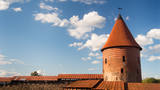 |
Kaunas Castle is the oldest stone castle in Lithuania and interestingly enough, the museum that is inside is also the oldest one in Lithuania. It's possible to take a tour to get know more about Kaunas Castle and also visit the museum where there's not only information about the castle but also about the city of Kaunas itself and much more. |
|
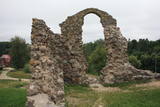 |
The Rēzekne castle hill is an impressive hillock (15 m) on the right bank of the Rēzekne River. From the 9th to the 12th century, there was a Lettigalian castle here. In 1285, the Livonian Order began to build a two-story stone castle on the site, and its ruins have survived to this very day. Alongside the castle hill is the Eastern Latvian Creative Service Centre - „Zeimuļs”, along with a tourism information centre. |
|
 |
Nīcas siera ražotne atrodas zemnieku saimniecībā “Birzmaļi”, kas ir viena no lielākajām piena ražotājām Lejaskurzemē. Ideja par amatniecības siera ražošanu radās 2017. gadā, un tā tika īstenota, ar LEADER programmas atbalstu izveidojot ražotni. Ikkatrs siera ritulis ir siera meistaru roku darbs, veidots ar lielu atbildību un rūpēm par augstāko kvalitāti. SieriSvaigais siers – mocarellas tipa svaigais siers ar dažādām piedevām, piemēram, ķimenēm, baziliku un papriku, kā arī citām rūpīgi piemeklētām garšām. Puscietais siers – gatavots pēc Nīderlandes siera metodes, kas piešķir tam maigāku, nedaudz saldenu garšu un elastīgu tekstūru. Siers tiek nogatavināts no trijiem līdz pat divpadsmit mēnešiem. Cietais siers – recepte balstīta Itālijas siera tradīcijās. Tas izceļas ar izteiktu garšu un raksturu un tiek nogatavināts sešus vai divpadsmit mēnešus, iegūstot bagātīgu un niansētu garšas buķeti. Kā top siersSiers tiek gatavots no nepasterizēta rīta slaukuma govs piena, ko sāk apstrādāt vēl siltu. Šāda pieeja ļauj saglabāt piena dabisko garšu un raksturu, padarot sieru izteiksmīgu, niansētu un dzīvu. Sieru gatavo meistare Dace Vecbaštika, apvienojot tradīcijas ar rūpīgu roku darbu. ApmeklētājiemIkdienā apmeklētājus ražotnē neuzņem, taču siera degustācijas ir iespējamas, iepriekš vienojoties. Nīcas sieru iespējams nogaršot arī kafejnīcā “Dzintariņš” Bernātos, kā arī restorānos “Parka Paviljons” un “Spīķeris 53” Liepājā. Kur iegādāties sierusNīcas sierus iespējams iegādāties tirdzniecības vietās: LATS veikalos Nīcā, siera stendā Liepājas Pētertirgū, mājražotāju veikaliņā “Martas kiosks” Grobiņā, mājražotāju tirdziņos Liepājā, Rožu laukumā, atpūtas kompleksa “Rāmkalni” veikalā. |
|
 4 days
|
Poems are dedicated to trees in the garden sourrounding the memorial house of Edvarts Virza, a Latvian poet and writer who wrote a legendary novel about the lives of Latvian farmers. The beautiful 18th century Mazmežotne castle is renovated by a grain farmer’s family. The Rundāle castle is known as Latvia’s true jewel of Baroque and Rococo architecture featuring also a rose garden with over 2200 varieties of roses. At Brukna manor you will see a vegetable garden that is arranged as a Renaissance park, a rose garden and a vineyard. Pick your own blackcurrant berries at Bāniši berry farm. A beautiful landscape garden is open for visitors at Gundegas house. 200 year old oaks adorn the Vārkavas Park. Riekstiņi is an authentic single-family Selonian farm with a specific spirit and ambience. At Kaldabruņa you will visit an art gallery housed in a hay-shed together with a hay museum. Grape selection and cultivation was the great passion of Pauls Sukatnieks, and his memorial garden is worth visiting during the harvesting time. Dvietes Manor is proud of its 19th century landscape park and a stone bridge. Daugavpils, the 2nd largest city of Latvia, is famous for the renovated 19th century Daugavpils Fortress housing museums. Sēlija tree nursery offers a tour of their apple orchard, apple storage and production facilities. Enjoy a glass of apple juice and stories of vinemakers. Berķenele is the memorial house of Rainis, the distinguished Latvian author and social activist.The Rokiškis Regional Museum and Manor is one of the most important cultural centres of the Aukštaitija region. The Liudvika and Stanislovas Didžiulis Homestead Museum garden features traditional Lithuanian apple tree cultivars, flowers and herbs. The A. Baranauskas and A. Vienuolis-Žukauskas Memorial Museum presents culture, literature, history, agrarian culture, and technical history in the Anykščiai region. Traditional Lithuanian flower garden can also be seen at the Bronė Buivydaitė Memorial Museum. In Anykščiai you can enjoy the Treetop Walkway and Labyrinth Park, and take a train ride on Aukštaitija’s narrow-gauge railway. In Traupis Botanical Garden you will find everything from perennial flower collections and rock garden to a flower clock and decorative pool with aquatic plants. The interior of the Taujėnai Manor house was decorated extensively with the Radziwiłł family’s portraits, sculptures, hunting trophies, and antique weapons. Take a walk around the Ukmergė Old Town and enjoy the view from the old fire tower. Survilai Homestead offers a barefoot trail walking on pine cones, swamp, peat, clay, gravel, polished glass, pine-tree needles, straw. The Vytautas Magnus University Kaunas Botanical Garden exposes the Lithuanian Heritage flower garden plants according to their botanical classification. At Tadas Ivanauskas Homestead at Obelynė Park you will see a collection of 300 species and forms of plants, including some of the oldest trees on the planet – the ginkgo biloba and the dawn redwood. In Kaunas you will see the Oldest Apple Tree in Lithuania – almost 360 years old, 8 metres tall, with a girth of 285cm at a height of 1.3m. The tour ends in Kaunas, Lithuania's 2nd largest city that was the capital of the country from 1920 until 1939. |
|
 |
The property is located in the picturesque Karula National Park (Karula Rahvuspark). Here you can have a meal and spend the night. The food is mainly prepared from local ingredients in the household kitchen. The farm also breeds bulls. |
|
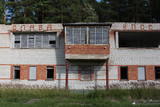 |
The firing range at Skujnieki was once used for summer sports, as well as training in the use of firearms. The Defence Ministry still uses the facility from time to time. The central building of the facility was built in 1982, and its façade is decorated with text in the Russian language: “Слава КПСС” (“All Honour to the Soviet Communist Party).
|
|
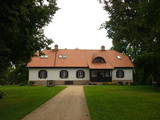 |
The Berķenele semi-estate is a historical monument of national importance, known as the place where the distinguished Latvian author and politician Rainis (1865-1929) spent his childhood. The house was restored in 1995, and since 1996 it has been the Rainis house in Berķenele. Rainis recorded his childhood impressions in a poetry collection called "Five Sketch Notebooks from Dagda." Today the managers of the house offer tours, creative workshops and exhibitions. Visitors can don the clothing worn by the lord and his servants. Around the house is a large orchard, featuring a programme called "Route of Apples." The house also has a lovely landscape that is interesting to see. |
|
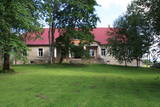 |
Lodes muižas ēkas izvietojušās t.s. Lodes – Taurenes subglaciālās iegultnes (cauri tek Gauja) austrumu nogāzē. Muižas apbūve tapusi 19. gs. pirmajā pusē, bet kungu māju (klasicisma stils) cēla 1815. g. Pēdējie īpašnieki, kas šeit saimniekoja (līdz 1939. g.) – bija Šmidtu dzimta. Mūsdienās muižas pilī vasarās dzīvo LU Ģeogrāfijas un Zemes zinātņu fakultātes studenti, kuriem šeit ir lauku prakšu norises vieta. Kungu māja apskatāma no ārpuses. |
|
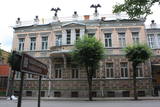 |
Atrodas Rīgas ielā 8 – skaistā, 1883. g. celtā jūgendstila ēkā . Muzejs (viens no Latgales lielākajiem un vecākajiem) tajā darbojas no 1959. g. (pats muzejs dibināts 1938. g.) un tā krājums vēsta par Daugavpils un tās apkārtnes vēsturiskajiem notikumiem. Tajā regulāri tiek rīkotas arī tematiskās izstādes, piedāvātas muzejpedagoģiskas programmas. Te vēl var apskatīt Daugavpilī dzimušā un pasaulē pazīstamā mākslinieka Marka Rotko (1903. – 1970.) gleznu reprodukcijas, kuras no 2013. gada plānots pārcelt uz M. Rotko centru Daugavpils cietoksnī. |
|
 |
The farm breeds fallow deer and trout, grows vegetables and fruit. Visitors can see the deer and wild boar, taste berries and fruits directly from the garden, participate in creative workshops and cooking master classes called "Izgaršo dzīvi". The hostess combines the regional culinary heritage traditions of Kurzeme region and contemporary cuisine. The food is prepared on live fire, using the deer, trout and vegetables from the farm. The host is a winemaker who makes every bottle with great care. Guests can enjoy tastings and stories in the romantic wine cellar. |
|
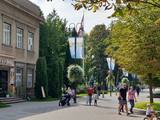 |
Materials of archaeological excavations show that the Ogre river banks were inhabited by the Livs. Ogre as a larger populated area and a major resort developed after the construction of Riga-Daugavpils railway in 1861. Until the World War I about 300 cottages offered their services in Ogre, most of them were destroyed during the war. The next "major" event took place 1965 when one of the largest knitwear plants in Europe was built in Ogre, which was staffed by guest workers from Vietnam and countries. Today, Ogre has still not recovered its glory of a resort, but has become a rather exclusive site of mostly low-rise residential buildings. |
|
 |
This pyramid-shaped hillock with an observation tower at the top of it was established by the Soviet military. It is along the Ķevele-Saldus road, where the Zvārde airfield used to be located. It was used as an observation facility to co-ordinate army training manoeuvres. There is a view of the former airfield and the massive forests of the Zvārde Nature Park and nature reserve. It is an appropriate location for bird-watching. Note that there are no improvements there.
|
|
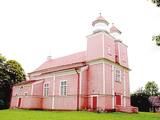 |
Located in the southern part of Feimaņi, the church was built between 1756 and 1760. The local estate was owned by the Korff dynasty, and the denomination of the congregation changed when the family converted from Lutheranism to Catholicism. This church has the largest number of artistic monuments among all churches in the Rēzekne Administrative District, including a confessional bench, pews, an organ prospectus, silver cups and three altar wood engravings from the 18th century. Above the gate is a bell tower with four bells. During Holy Week, clappers are used instead of bells. They are about 2 m long and 1 m high and are reminiscent of ancient laundry rolls. Feimaņi is also home to one of three flag workshops in Latvia, and it has state-of-the-art equipment. The flag of Latgale was “born” here in ideological and physical terms. |
|
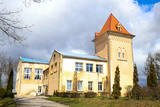 |
Druvienas muižas pirmsākumi ir meklējami 17. gs. beigās. Tagad redzamā apbūve ir veidojusies 19. – 20. gs. Līdz mūsdienām ir saglabājusies muižas pils (1898. g.) un saimniecības ēkas – klētis, kūtis, kalpu mājas. Muižas pilī 20. gs. 50. gados izvietoja pamatskolu. Diemžēl sākotnējie ēkas interjeri nav saglabājušies. Pili ieskauj parks. Šobrīd ēkā atrodas Druvienas Latviskās dzīvesziņas centrs, kas piedāvā dažādas aktivitātes un radošās darbnīcas. |
|
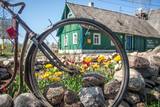 |
The guest house is located in Varnja Old Believers village and on the Onion Route - a destination on the shores of Lake Peipsi, the largest lake in Estonia and the trans-border lake of the European Union. It is about 45 km from Tartu. It offers the oppurtunity to experience authentic accommodation in a real home of an Old Believer family. Everything from the furnishing up to spoons and forks is as authentic as possible. The house has three rooms that can accommodate up to 10 people. Additional services: smoke sauna, Finnish sauna, plastic sauna, sauna in a tent, outdoor hot tub, boat rental, bicycle rental, camping, lake safari on a Karakat (wintertime only), boat house accomodation. |
|
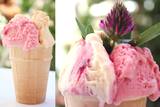 |
The family enterprise (formed in 2006) makes home-made ice-cream from fruit and berries. They make both classical – such as plombieres, cream, joghurt ice-creams and sorbets and nowadays cuisine’s „miracle”- sprat, blue cheese, horse-radish and potato ice-cream with tomato sauce. Till now 80 different ice-cream recipes have been tried. If you book a visit beforehand, you can have an excursion and learn everything about the process of making ice-cream from the chefs themselves. In the cafe it is possible to try different ice-cream dishes – each one with a different ice-cream sauce. The cafe also welcomes pets! Special foods: Horseradish ice cream with herring. |
|
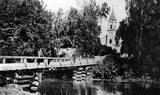 |
On the right bank of the River Pēterupe is one of the historical areas of Saulkrasti – Pēterupe Village. It is believed that the village began to form around a chapel during the so-called Swedish or Catholic times. The chapel was named after the Apostle St. Peter, and therefore the river and the village also carries his name. Pēterupe Village can be considered the oldest village in the Saulkrasti region. The oldest witnesses of the origin of Pēterupe Village are: Rectory, Pēterupe Evangelical Lutheran Church, Outpatient Clinic and the wooden buildings in the old village centre. |
|
 | ||
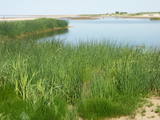 |
This area is full of coastline meadows, lagoons, muddy little lakes and sandy shallows, all full of reeds. This area of the eastern shore of the Bay of Rīga is found between Ainaži and Kuiviži. The Randa meadows are an enormously important location for water birds and rare plants – some 500 in all. A new bird-watching tower and a nature trail have been established for those who wish to study the meadows.
|
|
 |
This nature park features the most beautiful and distinct parts of the Vanema hillocks in Northern Kurzeme, and the aim is to protect the hillocks of Talsi. This is one of the loveliest parts of Kurzeme, with small but distinct hillocks and ravines among them. There are small but fairly deep lakes in the area – the Lake Ābeļi, Lake Čumals, Lake Sirdsezers, etc. Some of them are reminiscent of nothing other than deep craters. The territory is very good for active tourists – hikers (there are nature trails), bicyclists, etc. |
|


