
| No | Name | Description |
|---|---|---|
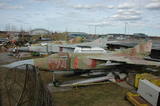 |
The largest collection in Europe of Soviet aviation and military equipment is on the territory of the Rīga International Airport and is open to visitors. The collection was assembled over the course of 40 years.
|
|
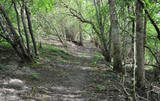 |
4 km garā un marķētā taka iepazīstina ar dziļo Imulas ieleju – Abavas kreisā krasta pieteku. Īpaši iespaidīga ieleja izskatās bezlapu periodā, kad ir apjaušami tās izmēri un formas. Vēstures cienītāji var upes gultnē uzmeklēt Langsēdes Velna pēdas akmeni. Atrodas dabas parkā „Abavas senleja”. |
|
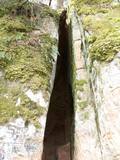 |
The Vējupīte ravine is meant for those who are not afraid of long and steep wooden stairs of the type that lead you up and down the ravine. From the Līvkalns guesthouse, you can climb the stairs downward, where you will find a shallow (3.6 m) but high (6.1 m) cave – the Pēters Cave. It is something of a gap or a niche. Another 10 minutes or so downstream (toward the Gauja) will lead you to the deep Pūces ravine and its Kraukļupīte River. The Satezele castle hill is at the confluence of the two rivers (90 x 75 m). A wooden castle was there during the feudal era in the early 13th century. Its main entrance was on the western side of the castle hill. You can get to the hill from the depths of the ravine via a wooden staircase. The Kraukļi ravine, in turn, is accessible if you climb down the same stairs and continue on your way toward the Gauja. The ravine is found on the left bank of the Vējupīte, and its sandstone walls are up to 11 m high. The Kraukļi cave, which is 5.2 m deep, is on the wall. Another 10-15 minutes (crossing the Vējupīte on a wooden bridge), and you will find another staircase leading you to Paradīze Hill (see the description above). |
|
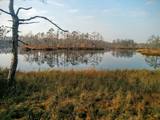 |
Cena's heath swamp's trail was made to introduce vistors to one of the most beautiful things in nature - a moss swamp. The pathway goes not only around beautiful swamp lakes but also meets the degraded part of the swamp. At the beggining and the end is a watch tower. |
|
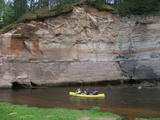 |
This ancient river valley stretches from Koorvere to the Otteni Windmill, and there are nearly 40 revealed sandstone cliffs from the Devonian age. Two of them, Väike and Suur Taevaskoja (the latter is 22 m high) are popular tourist destinations.
|
|
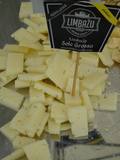 |
The Limbažu Cheese factory has more than 90 years of experience with dairy processing. It only uses milk from local farmers in Vidzeme, while the dairy processing technologies have been brought in from Switzerland. Limbažu Cheese exports 95% of its output. Alongside the company and on the other side of the street from the ruins of the Limbaži castle is a little store where the company’s products can be bought. |
|
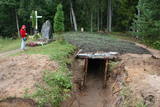 |
In October 1948, nationalist partisans who opposed the Soviet regime built a 9x6 m bunker in the forests of Īle for themselves. Five months later, the KGB attacked the bunker. After five hours of gunfire, 15 partisans lay dead, and another nine were captured. The bunker has been restored in commemoration of this event, and it is open to visitors.
|
|
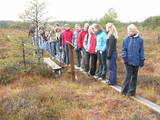 |
The tower is locatede in the Niedrāji-Pilka swamp. Access it via the old Ainaži-Valmiera-Smiltene narrow gauge rail line, which dates back to 1912, and then take the wooden footpaths which are approximately one kilometre long. This is a high-type swamp with small lakes at the foot of the tower. It is in the ZBR. |
|
 |
Neparastais objekts meklējams Teteles pamatskolas parkā, Lielupes labajā krastā. Torni cēlis (dažādas versijas par celšanas gadu: 1840. g. vai 1885. g.) Tetelmindes muižas barons Frīdrihs Bērs, jaunākais, par godu saviem viesiem, kas ieradušies pie barona uz medībām. Tornis kalpojis kā medību skatu tornis un vieta apkārtnes novērošanai. Godinot viesus, tajā uzvilka karogu. Apskatāms no ārpuses. |
|
 10 days
|
The tour introduces modern day life in rural Finland, Estonia and Latvia and includes visits to small farms raising livestock and producing delicious foods, and to ethnographic villages preserving the traditional lifestyle in a contemporary environment. The tour also involves sites of historical and cultural interest. |
|
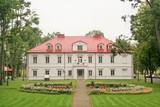 |
This is a lovely park and a reconstructed estate from the mid-19th century, located 14 km away from Panevežys in northern Lithuania. The estate was established during the latter half of the 19th century, and during the 20th century, various buildings were erected, including a two-story mansion with two floors (mid-19th century), stables, cellars, a gardener hut and ancillary buildings. The mixed-type park with ponds was installed in during the latter half of the 19th century. There was a large pergola on a hillock in the park, and it was alongside the gardener's hut. The silhouette of the park is enlivened by newly pave pathways and little bridges that link the ponds. |
|
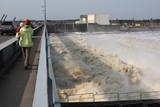 |
This is Latvia’s first major hydroelectric power plant, and construction along the right bank of the Daugava began in 1936. The plant was designed by the architect Eižens Laube. The first hydro-aggregate (17 MW of capacity as the largest plant in Latvia) was switched on in 1939. A second round of construction occurred between 1976 until 1979, the result being a new building on the left bank of the Daugava, increasing the capacity of the plant to 260 MW. Another round of reconstruction occurred between 1998 and 2001 on the left bank of the Daugava (the HES-2 plant). The Energy Museum is now there.
|
|
 |
The craftswomen produce clay dishes, vases, candlesticks, chandeliers, garden ceramics and small objects. Clay dishes with wooden handles are interesting. The women will offer you a tour of their workshop, a chance to see them at work or to try out your own skills at the potter’s wheel, as well as to purchase objects which have already been manufactured. |
|
 |
Cīravas muižas ūdensdzirnavas būvētas 1881. g., bet 20. gs. – pārveidotas. Šīs ir vienas no salīdzinoši retajām Latvijas ūdensdzirnavām, kas tādā apjomā saglabājušas vēsturiskos mehānismus. Apskatāmas no ārpuses. |
|
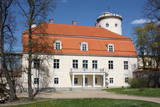 |
The New Cēsis Castle (Pils Square 9) was built in 1777 as a residence for Karl Eberhard von Zievers, and it is home to the Cēsis Museum of History and Art, which was opened in 1949. The building has a neo-Gothic tower decorated with curved arcades and window apertures. It is one of the first examples of eclecticism in Latvian architecture. Beginning in 2012, the museum will feature a modern exhibition under the title "Latvia: Symbol of Latvian History." This will be an interactive exhibition featuring the history of Cēsis and its environs since the era of the Vendians and up to the early 20th century. There will be sections on the history of the Latvian flag, the lives of the Zievers dynasty, and the family's great contributions toward the development of Cēsis. The third and fourth floors of the castle are dedicated to temporary exhibitions, and there is a special room there for families and children. The tower of the castle offers the best view of the Cēsis Castle ruins, the old town, and St John's Lutheran church. |
|
 |
The No. 14 Border Guard facility at Akmeņrags was a naval observatory. The facility belongs to the regional local government and is not used for any purpose at this time.
|
|
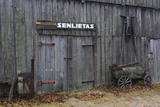 |
Atrodas Jūrmalciema austrumdaļā. Koka šķūnī sakrāti vietējo entuziastu savāktie Jūrmalciema iedzīvotāju sadzīves priekšmeti un amata rīki. Novadpētnieki te var uzzināt vērtīgu informāciju par ciema vēsturi un zvejnieku dzīvesveidu. |
|
 |
Atrodas Baznīcas ielā 10. Skaistā ēka ir viena no nedaudzajām 17. gs. celtnēm, kas būvēta koka pildrežģa tehnikā (restaurēta 1986. g.). Kurzemes hercogistes laikā tajā atradās pirmā zāļu tirgotava. Apskatāma no ārpuses. |
|
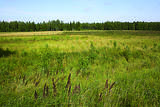 |
A legendary location which is said to have
been the site of a lake which, in 1838, was poured into the sea. When the
water was gone, remnants of ancient tree stumps and ships were found at
the bottom of the lake.
|
|
 |
Atpūtas vieta ģimenes īpašumā Vārvē, kurā tiek piedāvāti pirts rituāli. Tāpat ir iespēja pārnakšņot namiņā un atpūsties pie dabas un Ventas upes. |
|


