
| No | Name | Description |
|---|---|---|
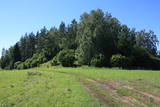 |
Stupeļu Hill is 3 km to the South of the Vecumnieki-Ilūkste road. There are no signs, so the castle hill might be difficult to find. The Great Stupeļu Rock, which is discussed further on in this guidebook, is also hard to find when there is vegetation. Stupeļu Hill is approximately 30 m high, and it was one of the highest castle hills in the historical district of Selonia. Archaeologists say that it was first abandoned at the beginning of our era and then populated again during the late Iron Age. It is interesting that iron was extracted and processed near the castle hill. Archaeologists believe that this is the site of one of the earliest “cities” in the region. To the West of the hill is the Great Stupeļu Rock, which is 6.7 m long, 5.6 m wide and up to 2.7 m high. Above ground, it is 35 m3 large, and it may have been a cult location. During archaeological digs in the late 1970s, antiquities from the 10th to the 13th century were found here. |
|
 |
Atpūtas vieta Braslas upes krastā. Tajā ir galdi piknikam, nojumes ar galdiem, ugunskura un telts vietas. Pieejamas divas divvietīgas naktsmītnes. |
|
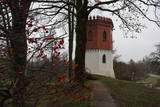 |
С XV века в Приекуле правил род баронов Корфов. Один из них – Иоганн Альберт Корф (1697 - 1766.) был президентом Петербургской Академии наук (1734 - 1740 гг.), дипломатом и литератором, который занимался исследованием истории Курземе. Приекульский замок находится на западе от улицы Айзпуте, на берегу реки Вирга. Первоначально дворец господской усадьбы построили в XVIII веке, а в конце XIX века велись большие работы по перестройке здания (проект Пауля Макса Берчи). В здании находится Приекульская средняя школа. Примерно в 100 м к востоку от господской усадьбы возвышается смотровая башня усадьбы (построена в конце XIX века), над которой развевается государственный флаг Латвии. |
|
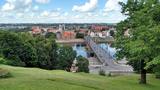 |
The second biggest city in Lithuania and from 1920 – 1939 - a temporary capital. The Old Town, The Town Hall (16th century), St. Peter and Pavil cathedral - basilica (15th century), Thunder building (15th century), Laisves alley, Ciurlionis Art and Devil Museum. |
|
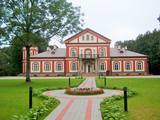 |
The Alantos Estate is in the village of Naujasodžio, and it was built in the style of Neo-Classicism in the 19th century. The estate is surrounded by a park with many types of trees, as well as a set of ancillary buildings. The mansion is reminiscent of an Italian villa, and the Neo-Romantic park has alleys of trees and three ponds of various sizes. The trees were planted so that over the course of time, their trunks would grow together to ensure mighty crowns. Alongside the park are a few gazebos, an obelisk that stands a few metres high, as well as white marble sculptures of Venus and Jupiter. |
|
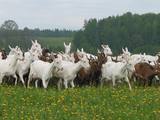 |
This is one of the largest goat farms in Latvia, with approximately 160 pedigree goats (Alp, Anglo, German White Noble and other breeds), as well as pigs for breeding purposes. You can take a tour and help in herding the goats. Kid goats can be seen in the spring. You can taste various kinds of cheese, ice-cream made from goat milk and watch how the goats are milked (around 5:00 PM every day). You can also taste and purchase canned meat. No preservatives are ever added to the farm’s products. |
|
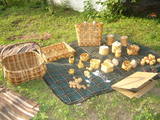 |
This is one of the few workshops in Latvia where things are woven with birch bark. You can look at the objects and discuss the experience of the craftspeople. They will help you to produce simple objects out of birch bark, and those will be excellent souvenirs. |
|
 2 days
|
This route offers most unusual views. Seda is the only town in Latvia with Soviet-era planning from the middle of the last century, featuring a central square and streets stretching from it in a star pattern. The architectural style of apartment and public buildings is rather exotic. The Seda Swamp yielded peat moss during the first period of Latvia’s independence and is one of the largest industrial and environmental territories of its kind in Latvia and the Baltic States. Former peat fields have partly become flooded and are overgrown with reeds, thus creating an outstanding environment for nesting water birds and migrating birds which rest at the swamp. Peat is still being extracted, and perhaps you will be lucky enough to spot the “little peat moss train.” Route information from Latvijas Lauku forums |
|
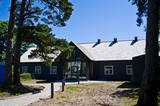 |
Livonian Community House at Kolka was opened in 2019. It is a place where you can get to know the Livonian culture of Northern Kurzeme, learn about traditional activities, listen to the sound of the language, and get an idea of the cultural and historical heritage of the coast. In House you can organize and attend cultural events, seminars, trainings, exhibitions, and also receive tourism information. |
|
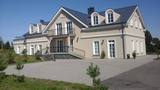 |
Agrotūrisma saimniecība aicina cilvēkus pavadīt brīvo laiku dabā. Kopš 2004. gada 45 ha lielajā bioloģiskajā saimniecībā tiek audzēta labība un aitas. Saimniecība pielāgota atpūtai un svinību rīkošanai. Visapkārt paveras plaša ainava ar rudzu laukiem, aitu ganībām, zirgu stalli, kas ļauj izzināt jāšanas pasauli un bioloģiskās saimniekošanas principus. 2 svinību zāles un 13 guļamistabas 40 viesu izguldināšanai klasicisma stila ēkā. Plaša apsargātā teritorijā, asfaltēts ceļš ērtai piekļuvei, bērnu rotaļu un volejbola laukumi, smilšu pludmale, klusa atpūta bibliotēka, makšķerēšana, putnu vērošana un dažāda garuma pastaigas un izjādes maršruti mežā. Pieredzējuši treneri mācīs iesācējiem jāt, un profesionāliem jātniekiem iespēja uzlabot savas prasmes. Iegādei laukos audzēti ekoloģiski tīri dārzeņi, augļi, un ne tikai.
|
|
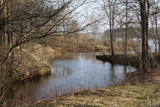 |
In the small town of Pļaviņas, at the place where the Skanstupīte River flows into the Daugava (Friendship Park), there are the remnants of a set of small and low fortifications known as the Swedish bastions. This was a place of military and political importance, because here was the place where the boundaries of Vidzeme (under Swedish rule), Latgale (under Polish rule), and the Duchy of Kurzeme (on the opposite side of the river) all came together. In 1625, the Swedes were defeated by the Poles here, and Swedish King Gustav Adolf almost lost his life. Medieval bastions of this kind can be seen in some other places of Latvia, as well.
|
|
 |
By the beekeeping farm “Kalniņi” there is a Bee Hut – small wooden house in which you can feel the presence of bees. The hives with seven bee families are built-in the sides of the Bee Hut, but inside the building they are designed as beds or seats. When looking at the building from the outside you can see the bee runs and also bees themselves. In addition, “Kalniņi” also offer different types of bee products – honey, pollen bread, beautiful and aromatic wax candles. It is possible to taste beekeeping products and enjoy a cap of warm tea. Families with kids can participate in educational workshops, learn how to make wax candles and gain information about the daily life in the beekeeping farm. Since summer 2018 everyone can also visit the House of Crafts, where you can participate in different activities such as Encaustic painting (also known as hot wax painting), create wooden souvenirs with burnt folk signs as well as create wax candles etc. The House of Crafts offers different itineraries for grownups, kids, youngsters and newlyweds. There you can also purchase the offered products - various flower honey, pollen, pollen bread, propolis, cell honey and wax candles. |
|
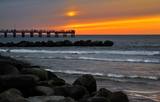 |
Palanga is known to be the biggest by-the-sea resort in Lithuania because of its seacoast's main attractions - dunes and white sand. And because Palanga is a resort there are plenty of cafes, restaurants, bars and more for those who would like to enjoy a meal or a drink, for those who like active sport - there is possibility to cycle, go horseback riding, swim and much more. |
|
 |
The Soviet Border Guard facility at Mērsrags was the start of the border regime zone. Absolutely nothing of the facility is left for perusal today.
|
|
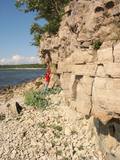 |
Nacionālā parka dienvidrietumdaļā jūrā iestiepjas Eldas pussala – skaists un ļoti omaļš ar kadiķu mežu (alvāriem) noaudzis zemes pleķītis ar interesantu jūras krastu, kur atsedzas silūra perioda nogulumieži. No pussalas gala, kurā slejas vecs Padomju armijas robežsargu tornis (apmeklējumam bīstams!), paveras visaptverošs skats uz Vilsandi salu (atpazīstama pēc bākas), Lonalaidas salu (Loonalaid) – otru lielāko Vilsandi arhipelāgā, Salavu (Salava) un citām mazākām saliņām. Dabas mīļotāji var uzmeklēt Eldas klinti (Elda pank) – ~ 2 m augstu un 0,4 km garu atsegumu, kura piekājē var atrast interesantas ūdens izskalotas fosilijas. |
|
 |
This is one of the most beautiful gardens in Nīca, particularly featuring hostas and maple trees. There are more than 130 varieties of hostas, as well as 25 maple trees. The large pond features fish that can be fed, and visitors will enjoy the beauty of the garden. Guests will particularly enjoy the impressive homestead sign that was created after a long search. The garden has done will in beautiful garden competitions at the level of Nīca and the level of Latvia. |
|
 |
Mājas saimniecība „Pie Tēvoča Garika" piedāvā iepazīties ar nelielu dzīvnieku kolekciju. Dažus dzīvniekus var pabarot un paglaudīt. Te iespējams apskatīt gan mājas dzīvniekus, gan savvaļas dzīvniekus. Par katru dzīvnieku sniedzam informāciju. |
|
 |
The “Lamb Club” is a farm in Mazsalaca, and it is special because the sheep live in a real club! The owners offer the atmosphere of a farm at which the sheep play major roles. Enjoy mutton and sheep milk foods and beverages, feel how comfortable it is to read your favourite while sitting on a fluffy sheepskin, and, in order not to get cold by the campfire in the evening, you can purchase warm woollen socks and woven woollen cloaks. The owners hope that people from Latvia and all around the world will spend more time at the farm, because accommodations involve a new glamping tent that is as close as possible to nature and the healthy rural environment. Don’t lose a lick of the comfort that you are used to in your everyday life! The owners, Ilze and Valters, will be happy to give you a tour during which they talk about herding sheep. If you contact them in advance, they will prepare a tasty mutton meal for you. The tour can also be supplemented with various activities such as games, quizzes and creative workshops at which sheep wool is utilised. |
|
 7 days
|
The tour will guide you through the Latvia using its main tastes. Out of Riga you visit a farm which specialises in grain growing and bakes great cracknels and makes regional dishes using whole-meal grains. Afterwards there is a visit to Bauska Castle locates between two rivers and Bauska Brewery which takes pride in their produce free of preservatives. Then there is a visit to ethnographic museum at Ausekli Mill where you could try to make your own traditional piragi (bacon pasties). Further on the route cross the river Daugava and there is a stop at home -made ice-cream cafe to try savoury ice- cream salads. A ride on Viking ship around the legendary Koknese castle ruins and a visit to Cesvaine Castle is next. Then you have a visit to the goats farm and cheese tasting which is followed by cows cheese tasting at nearby production. Overnight is at Vecgulbene Manor with spa facilities. Next day you have a chance to make your own traditional black bread accompanied with humorous stories and instructions by the baker-lady. While the bread is baking there is another cheese tasting and visit to producer at Trikata. Then visit to Valmiermuiža Brewery which produces upmarket beer and promotes Latvian beer drinking tradition as a component in every celebration. Charming provincial town of Cesis with mighty medieval castle ruins, narrow ancient streets and home of famous Cesis brewery next. Historic brewery building there is nowadays only a tourism object but production is moved into big, modern building. It is the second largest beer producer in Latvia nowadays. Visit to the Cesis Brewery followed by excursion at Araisi windmill and having a traditional mill's porridge there. Then excursion at the Turaida Castle before returning to Riga. |
|
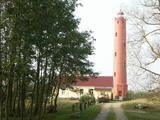 |
Akmensrags is important for birds while they are migrating, spending the winter, and molting in the summer. Most often we find the little gull and the red-throated and black-throated loon. The territory is opposite the Pāvilosta Administrative District and covers 25,878 hectares.
|
|


