
| No | Name | Description |
|---|---|---|
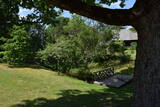 |
Bārbeles sēravots tiek dēvēts par vienu no pirmajām kūrvietām Latvijā, proti, jau ap 1650. gadu hercoga Jēkaba valdīšanas laikā sēravota tuvumā uzbūvēta vannu māja, dēvēta par mazo ūdensdziednīcu, kuru vēlāk arī apmeklējuši visi Kurzemes-Zemgales hercogi. 1739. gadā Rīgas garnizona ārsts Benjamins Teofils Grofs uz Bārbeles sēravotu nosūtījs 10 ievainotus un smagi slimus karavīrus, kas sirguši ar dažādām kaitēm - pēc Bārbeles sēravota vannām karavīri atveseļojušies. Avota ūdeni izmantojuši gan apkārtējie zemnieki, gan muižnieki, gan augstmaņi no Jelgavas. Avotā slimnieki peldējušies, aptriepušies ar dūņām, no tā sagatavotas arī siltās vannas. Tāpat ūdens tika izmantots iekšķīgai lietošanai. Bārbeles sēravots dziedinājis ne tikai skorbutu, locītavu un krustu sāpes, artrītu, pietūkumu, bet arī venēriskās slimības-sifilisu, nervu kaites un daudzas citas slimības. 19. gs. avota ūdenī samazinājās sērūdeņraža koncentrācija. Neskatoties uz to, 20. gs. 20. gados šeit vēl aizvien darbojās vannu māja, tika uzbūvēts arī neliels vasarnīcu rajons, ierīkots deju laukums un parks, kūrorts tolaik tika plaši apmeklēts. Diemžēl, kūrorta noriets seko pēc Otrā Pasaules kara, kad to noposta un vairs neatjauno. Šobrīd par savulaik tik ļoti apmeklēto un nozīmīgo kūrvietu, dēvētu par pirmo kūrortu Latvijā, var tikai iztēloties. Atrodoties pie sēravota, tā laika liecības iezīmējas pēdējās vannu mājas ēkas pamatu drupās, stalti liecinieki arī koki – glabājot sevī savulaik pieredzēto. Sēravota apkārtnē ierīkota atpūtas vieta, informatīvs stends, kurā var aplūkot senākas fotogrāfijas un detalizētāk iepazīties ar kūrorta vēsturi. Tāpat ierīkota laipa, no kuras apmeklētāji var pasmelt avota ūdeni. |
|
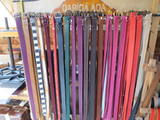 |
This workshop manufactures belts, bags, jewellery (pendants, brooches, bracelets), as well as covers. It offers book binding services and prepares souvenirs. Tours are available for groups of up to 50 people. You can try your own hand at the crafts, taste teas, and cook soups on an open fire. |
|
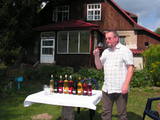 |
The owner of the guesthouse produces homemade wine from blackberries, black currants, lingonberries, oak leaves, birch sap, strawberries, gooseberries, apples, cranberries, cowslip, and 20 other raw materials. You can taste the wines, learn about how it is produced, and purchase some to take along with you. |
|
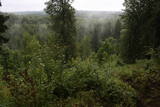 |
At the highest point of Krievkalni (149 metres above sea level), there is a good location for relaxation which offers an impressive view toward the East.
|
|
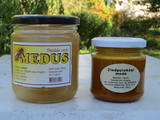 |
The owner offers honey made of various flowers, forest plants, heather and linden blossoms, pollen, bee bread, propolis, and other beekeeping products. He will be happy to give you a tour and tell you about his work. |
|
 2 days
|
This route leads through the Curves of Daugava nature park, which is an area that was once to be flooded for the construction of the Daugavpils hydroelectric power plant. The central artery in the park is the ancient Daugava River valley, and the specific here is eight grand curves with a length of 4-6 km. The highest banks of the river are at the so-called Daugava gate, with the mighty Ververi and Slutiški cliffs. More than ½ of the territory is forested for hiking, nature watching, berry picking and mushroom hunting. The Daugava River valley has one of the greatest diversities of flora -- >800 different kinds in all. This is also a multinational environment with Lettigalian, Lithuanian, Polish, Russian and Belarusian traditions and heritage. The Slutiški village, which is unique in Latvia, is popular among tourists. Route information from Latvijas Lauku forums |
|
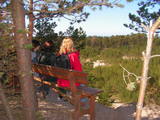 |
One of the highest dunes in Latvia, located between Bernāti and Jūrmalciems villages. It is 37m high and offers a magnificent view of the sea and natural pine forests. The highest dunes in Latvia stand to the South of Jūrmalciems village: the Pūsēnu hill, the Ķupu hill, the Mietragkalns or Tiesas hill, the Pāļu hill, the Garais hill, the Ātrais hill, the Lāvas hill. The Pūsēnu dune is the highest of these dunes which are all called hills by the local people. The Pūsēnu hill developed between 1785 to 1835 when shifting sand became extremely dangerous. Several homesteads were buried in sand, among them „Pūsēni”, where a forester’s family lived. The family is said to have moved to Bārta. The dune was named after the buried homestead. Jēkabs Janševskis, a Latvian writer, wrote in his book „Nīca”: “In olden times, large pine trees were growing in the dunes on the coast of Nīca and they stood steady and firm. But i Swedish times (around 1650), the Swedes built a large kiln for charcoal and tar. Pine wood and stumps provided an excellent material for this. Once a big fire rose, and the charcoal kiln burned down as well as the whole pine forest. The remaining stumps and bare trunks in the vast burnout could not hold the storm-driven sand; it flew further and further burying not only the burned-out forest, but also the nearest fields. In wintertime, when the vast, low marshy grasslands were covered with ice, jets of sand drifted further over its surface, and soon most of the grasslands and large meadows turned into sandy heath-land and dunes.” To reconstruct Liepāja, severely damaged during WWII, a silicate brick factory was built in the town. The main raw material was white sand and it was taken from the Bernātu forest. In the 1960-ies they started to dig off the Green Dune and the White Dune, later also the Pūsēnu hill. The excavators used to work day and night, in three shifts. The work stopped at around 1980, as there was no more sand suitable for production of brick. A trail is set up to facilitate walking in the Pūsēnu Dune in the Bernātu Nature Park. |
|
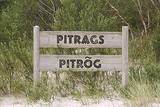 |
was first recorded in documents in 1582. The shallow water around the village contains many sunken ships. In 1826, Pitrags had 11 farms and 190 residents. A saloon was opened in the mid-19th century. In 1937, the village had 12 old farms and 38 fishing operations (mostly new farms). There were several fish processing plants in the village. One of the local residents was the distinguished Livonian language storyteller Marija Šaltjāre (Bertholde, 1860-1930). She shared more than 200 fairy tales and legends, more than 90 songs and games, etc. The Pitrags Baptist Prayer House was built in 1902. It was burned down during World War I, rebuilt in 1925, and renovated in the late 20th century. The Krogi homestead in the centre of Pitrags has a collection of 27 old types of Livonian coastline fencing. The owner also offers a chance to help with the smoking of fish and then to taste the resulting product. |
|
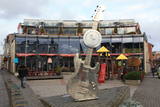 |
The word zivis means fish, and the name of the street is derived from a fish market that once existed at the end of the street near Kurši Square. There are old log warehouses in the yard of Zivju Street 4/6 and the yard of Peldu Street 2. One of the most popular destinations for tourists is the Latvian alley of fame for musicians (since 2006), with bronze replications of the palms of hands of 35 Latvian musicians. There are ten plaques dedicated to popular bands in Latvia, with five others focusing on musicians who have passed away. The largest guitar in Latvia is right nearby. |
|
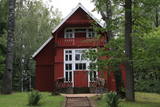 |
This is a homestead that is three km from the centre of Vecpiebalga and is in a lovely place – the Incēni hill. There is a museum here featuring the author of the legendary fairy tale “Pussy’s Mill” by Kārlis Skalbe (1879-1945). The poet and prose writer built the building in 1926 and spent summers there from that year until 1944. The museum was opened in 1987. The western slope of Vaktskalns hill right alongside the museum offers a lovely view of Lake Alauksts. The cremated remains of Skalbe and his wife, Lizete, were reinterred at the location in 1992 from Sweden, where the poet died. There is a unique monument to them in the form of a stone boat. |
|
 |
"Sabiles laivas" Talsu novadā piedāvā laivu nomu, laivu un laivotāju transportu. |
|
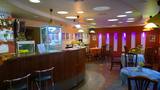 |
The café serves freshly prepared home-cooked food. "Cafe 21 & Putnu Dārzs" rents out rooms for banquets, celebrations, meals, buffets and seminars. Provides food delivery and off-site service. |
|
 |
The café is in the historical centre of Tukums and offers various Latvian baked goods and pastries. |
|
 |
From the berries and fruits that grow in the wonderful Võrumaa hilly area, farmers make wine, introduce guests to their garden, explain the wine making process, organise tastings and classes. |
|
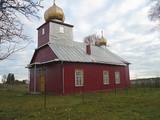 |
Notra’s Old-Believers Prayer House. The construction works
lasted from 1928 till 1931. The church is situated on the site of the
previous church that was originally built in 1853.
|
|
 |
Piesta Kuusikaru farm is located in Vändra forest, Pärnumaa. We invite everyone who would like to know how this family decided to create their own farm in the countryside and started to make wonderfully delicious products from apples. At the farm you can taste all the products and buy all your favourites to take away. A great place to relax with your family. |
|
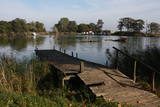 |
1855, als einen Schiffahrtsweg getieft wurde, wurde im Haff unerwartet eine Bernsteinablagerung gefundet. In der Zeit zwischen 1860 und 1890 wurde dort 2250 Tonen Bernstein gewonnen, einbezogen einzigartige Bernsteingegenstände aus der Jungsteinzeit und der Bronsezeit. |
|
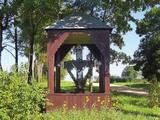 |
The Crucifix of Ružina is made of wood according to old Latgalian traditions.
|
|
 |
The farm offers various goodies, including cheese, butter, cream, cottage cheese and fresh eggs. |
|
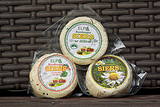 |
For more than 20 years the company has been partnering with some 100 local suppliers of milk. Its main principle is to offer healthy dairy products, including kefir, cottage cheese, cream, yogurts and soft cheese. SIA Elpa is the only dairy processing company in Southern Kurzeme that offers tours and tastings of products. Products can be bought, and during the tours, visitors can taste kefir, cheese and yogurt and help with the dairy processing process themselves. |
|


