
| No | Name | Description |
|---|---|---|
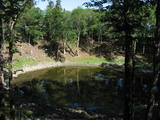 |
This is actually a group of nine craters, and some of them are as much as 100 m in diameter and 16 m in depth. This is the most visually expressive meteorite crater in the Baltic States and, indeed, in all of Europe. Remnants of the meteorite – some 2.5 kg in all – yielded iron and nickel. It is thought that this pan-Baltic natural catastrophe occurred 2,600 to 4,000 years ago. Kaali Visitor Centre comprises the meteoritics and limestone museum, a conference hall and a hotel.The museum exhibits genuine meteorite pieces amongst other items. The hotel has all modern conveniences, tasty food is provided at Kaali Tavern nearby. |
|
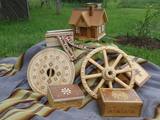 |
The workshop and “Dream Hut” exhibition hall at this venue offer a look at turned wood products such as candelabras, dishware, beer steins, vases, glasses, mortars and pestles, small boxes, wooden paintings, etc. You can commission and purchase products and watch the master at work. |
|
 |
Winner of the first bakery contest in baking rye bread according to a traditional recipe using wholegrain rye-flour milled in Sangaste Mill. |
|
 |
~ 3 – 5 km gara taka, kas ved pa veco ceļu gar Tēramā upes (Tõramaa jõgi) kreiso krastu. Takas malās izvietoti interaktīvi elementi bērniem, kas palīdz labāk uztvert dabā notiekošo. Taku ieskauj mitrie meži un palieņu pļavas, kas palu laikā atrodas zem ūdens. Tēramā (Tõramaa) ciemā apkārtnē atrastas cilvēka darbības pēdas jau no akmens laikmeta. |
|
 4 days
|
Маршрут проходит по живописным природным местам Эстонии – биосферному заповеднику Моонзунда (Moonzund), национальному парку Матсалу (Matsalu) и заповеднику Вийдумяэ (Viidumäe). Маршрут включает два самых больших острова Эстонии, богатых природными и культурными памятниками – Сааремаа и Хийюмаа, - а также малые острова Муху и Касари. В маршрут включены самые интересные природные тропы (длина каждой 1-5 км), смотровые вышки и места наблюдения за птицами, биотопы, а также три поездки на пароме между островами Моонзундского архипелага. |
|
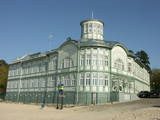 |
Jurmala town (the second largest in Latvia) was founded in 1959, by combining Kemeri and Sloka towns in the Riga city Jurmala district. It stretches 32 km along the coastal line of Gulf of Riga. Jurmala resort once was one of the most important objects of this type in the Northern Europe. This was facilitated by the development of local and interstate transport and traffic (coaches, steamers, train). The first guests was accommodated in Dubulti, where in 1834 the first hotel was built, but in 1847 - The first wellness centre. In the 19th the first medical institution launched. Starting from 1834 the rapid construction of summer cottages began. Development of the resort was ended by the World War I. After the war the number of resort vacationers boomed from 12 thousand (in 1920) to 32 thousand (in 1935). Kemeri resort developed along with Jurmala, which received a massive of vacationers' amount during the Soviet period. |
|
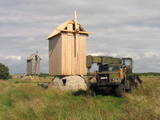 |
Vilsandi nacionālā parka „sirds” un divpadsmitā lielākā Igaunijas sala (garums - 6 km, platums – 2 km). Tā ir ļoti „jauna” sala, kas sākusi veidoties pirms ~ 2000 gadiem zemes garozas celšanās rezultātā, savienojoties divām salām, kas noticis pirms ~ 350 gadiem. Cilvēki salu sāka apdzīvot 18. gs. un to galvenā nodarbe bija zvejniecība, kuģu būve, nelielā apjomā – lauksaimniecība. Līdz 2. pasaules karam te bija ap 200 iedzīvotāju, kuri vēlāk salu bija spiesti pamest PRSR pierobežas režīma zonas dēļ. Nozīmīgu Vilsandi daļu aizņem mežs un kadiķu lauki. To visā garumā šķērso grantēts - zemes ceļš ar atzariem uz jūras krastu. Salu ar kājām var izstaigāt vairāku stundu laikā, iepazīstot vietējo apbūvi (daļa arī mūsdienās celtas ēkas) un Tolli sētu, kur pēc nostāstiem dzīvojis nīderlandiešu jūras braucējs Johans Dolls, kā arī vējdzirnavas. Noteikti ir jāaiziet līdz salas rietumu krastam, kur atrodas Vilsandi bāka un bākas uzrauga saimniecības ēkas. No šejienes ir labi redzamas Vaikas salas. Šodien uz salas pastāvīgi (visa gada garumā) dzīvo tikai trīs cilvēki. |
|
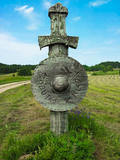 |
Embūtes dabas parks, saukts par Embūtes senleju, ir viena no skaistākajām, interesantākajām un noslēpumainākajām Kurzemes vietām. Nav Latvijā otras tādas vietas, kur ieejas vārtus dabas parka teritorijā simbolizē stilizēti zobeni ar vairogiem ceļa abās pusēs, radot mītisku un cienījamu noskaņu. Par Embūtes apkārtnes vēsturi stāsta daudzas teikas un leģendas. Viena no pazīstamākajām ir romantiskā teika par kuršu vadoņa Induļa un vācu komtura meitas Ārijas mīlestību. Vietā, kur viņi pirmoreiz tikušies joprojām atrodas Ārijas un Induļa ozoli. Embūtes dabā parkā ieteicams apskatīt - ekotūrisma taku, Embūtes viduslaiku pilsdrupas, Embūtes luterāņu baznīcas mūrus, Induļa pilskalnu, Pilskalna avotiņu, Induļa un Ārijas ozolu. Dabas parks aprīkots ar labiekārtotu pastaigu taku, skatu platformām, skatu torni, labierīcībām un atpūtas vietu. |
|
 |
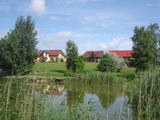
You can access ÕUNA farm (ÕUNA puhketalu) by Piibe Road, behind the old horse post and pub. Here you can spend the night, have some food and enjoy various entertainment activities. Menu includes only Estonian national foods. |
|
 |
The farm breeds several species of chinchillas and offers a look at them. There are also decorative pheasants, peacocks, doves and different kinds of chickens, along with marmots, dwarf goats, chipmunks, rabbits, a pony, etc. You can purchase chinchillas, decorative birds and other animals, along with quail eggs, chinchilla pelts and souvenirs. There are also ponds for fishing. |
|
 3 days
|
Маршрут объединяет все многообразие Видземе и пролегает как вдоль морского побережья, так и по извилистым дорогам возвышенности с просторными живописными видами. Особенно подходит для семей с детьми. Информация о маршруте от Latvijas Lauku forums |
|
 |
Ičas apmetnes ciems ir sena dzīvesvieta Ičas upes krastos. Apmetne atklāta 1937. gadā. Tā bijusi apdzīvota neolītā (4500 - 1500 pr.Kr.) un bronzas laikmetā (1500 - 500 pr.Kr.). Apmetnē dzīvojuši amatnieki, zvejnieki, mednieki.
|
|
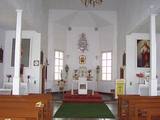 |
Holy Trinity Parish Catholic Church of Strūžāni was renovated
and sanctified in 1958. The church has no towers because they were not allowed in the time of the Soviet
Union.
|
|
 |
The café is in the market square of Vecpiebalga, opposite the Lutheran church. It works with local farmers and sells products from a local smokehouse. |
|
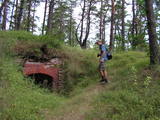 |
Forts were built and rebuilt at this location for many centuries by Germans, Swedes and Russians. In 1912, several forts were erected at Mangaļsala and Bolderāja. There were two forts with 254-mm cannons, six with 152-mm cannons, and three with 138-mm cannons. Each fort had two cannons.
|
|
 |
A shop located in Jelgava that offers organic, natural food products, healthy products for children, gluten-free products, and ecological cosmetics and cleaning products. All of the products are made by Latvian farmers and home producers, using natural ingredients. |
|
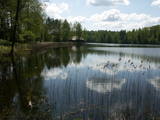 |
Lake Salājs is full of bays and islands. Alongside Lake Little Solojs, which is next to Lake Salājs, is the Milka castle hill and a leisure facility there. This is a beautiful area, and it is protected for environmental purposes. |
|
 |
The cafe in the centre of Saulkrasti. There are offered not only baked goods, but hot meals as well. The Latvian-style kebabs made here are very popular among the citizens of Saulkrasti and town guests. The cafe offers high chairs for children. Working hours in the summer: 8:00 – 20:00, from September to May: 8:00 – 18:00 |
|
 |
Naktsmītne, pirts, telpas pasākumiem, aktīvā atpūta dabā. Mājas alus brūvēšana un siera siešana. |
|
 |
A monument to those who liberated Northern Latvia in 1919 was designed by Teodors Zaļkalns and is along the Inčukalns-Valka road. The monument contains text by Edvarts Virza: “As long as grain is sown in these fields, you will be praised and honoured.” The monument features a farmer with a sword and a horse. |
|


